
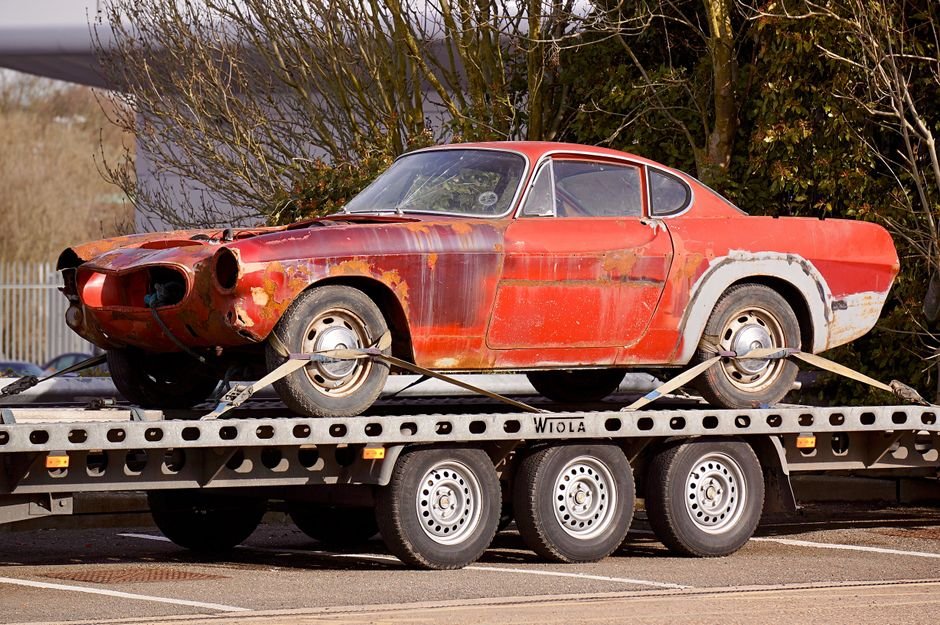
If it feels like you’ve been hearing the word “repossession” a lot more often lately, you’re not imagining things. Vehicle repossessions have climbed back to levels not seen since the Great Recession, and the numbers behind the trend are genuinely startling. Here’s what’s driving the surge, and — more importantly — what you can do if you’re worried your own car could be next.
Just How Bad Is It?
Auto loan delinquencies are hitting records that go back decades. According to data from the Federal Reserve Bank of New York, 90-day-or-more auto loan delinquencies reached 5.60% in the first quarter of 2026, up from 5.21% the prior quarter and well above the long-term average of 3.59%. That’s the highest rate in a dataset that stretches back to 2003.
Things look even rougher for subprime borrowers. Fitch Ratings data showed the 60-day-plus delinquency rate for subprime auto loans hit 6.9% in January 2026, a 32-year record dating back to 1994, before easing slightly to 6.80% in February.
The actual repossession numbers back this up. Cox Automotive estimates that yearly auto repossessions went up about 43% between 2022 and 2024, up to 1.73 million units, the highest since 2009. And the pressure hasn’t let up since — outstanding auto loan debt has climbed to roughly $1.67 trillion spread across 108 million open accounts, and lenders are dealing with a growing pile of past-due accounts they can’t collect on.
Why This Is Happening
This isn’t really a story about irresponsible buyers — it’s a story about affordability. New and used car prices shot up over the past few years, and the loans people took out to buy them got longer and more expensive at the same time. The average monthly payment for a new car now sits around $700, while used car payments average about $500 a month, according to Bankrate. Layer on rising insurance premiums, pricier repairs, and everyday cost-of-living increases, and a lot of household budgets simply don’t have room left when a payment comes due.
Bankrate insurance expert Shannon Martin points out that on top of the loan itself, drivers are dealing with roughly $500 a month in what she calls the hidden costs of ownership — maintenance, insurance, and repairs. When those numbers stack up, missing a payment becomes a lot more likely, and the loans originated in 2022 through 2024, when prices and rates were both elevated, are exactly the ones now aging into serious delinquency and default.
How Fast Can a Repo Actually Happen?
Faster than most people think. Depending on your state and lender, a car can typically be repossessed anywhere between 60 and 120 days after your first missed payment — but if you have a subprime loan or bought from a buy-here-pay-here lot, it can happen in as little as 30 days. Most states don’t require a warning before a repo agent shows up, and many lenders can legally repossess a vehicle without going to court as long as they don’t “breach the peace” while doing it.
What to Do If You’re Falling Behind
- Call your lender the moment you know you’ll miss a payment. Lenders generally lose money on a repossession once they factor in towing, storage, and auction costs, so many are willing to work out a deferment, a modified payment plan, or a temporary hardship arrangement rather than take the car back.
- Know your state’s rules. Many states allow you to “cure” a default by catching up on missed payments and fees before the vehicle is sold, and some require specific written notices before a lender can repossess. Your state attorney general’s office is a good place to check the details.
- Don’t let embarrassment slow you down. Financial experts stress that the biggest mistake people make is avoiding the phone call out of shame. Acting early gives you far more options than waiting until a tow truck is already in your driveway.
- Plan for essential transportation first. If repossession looks unavoidable, figure out how you’ll get to work and get your kids to school before anything else, then focus on next steps like refinancing or replacing the vehicle.
- Watch for added fees. Even after a repossession, borrowers can be charged towing and repossession fees, storage charges, and auction or administrative costs — and you may still owe the difference between what the car sold for and what you owed, known as a deficiency balance.
- Consider refinancing or trading down. If you’re current but stretched thin, refinancing to a lower rate or longer term, or trading into a cheaper vehicle, can sometimes head off trouble before it starts.
The Bottom Line
Analysts expect 2026 to look like a continuation of the elevated repossession activity of 2025 rather than a sudden spike, as lenders tighten credit standards and work through the backlog of loans written during the high-price years. That’s cold comfort if you’re the one staring down a missed payment, but the good news is that lenders generally don’t want your car — they want to get paid. The earlier you communicate, the more leverage you have to keep your keys.