
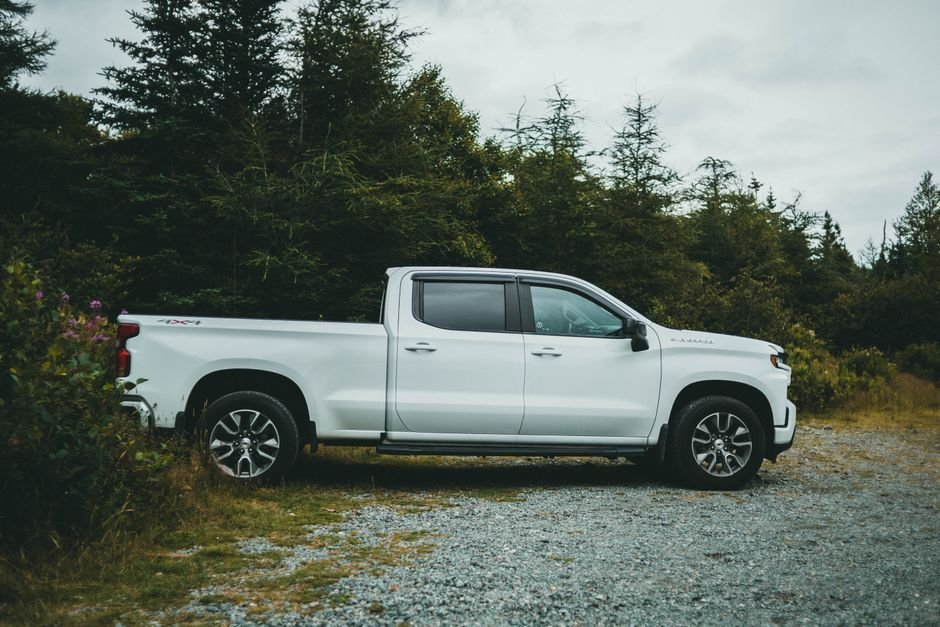
Nearly a million GM trucks and SUVs are now sitting inside a federal engine failure investigation. The scary part? Plenty of the affected vehicles already went through a recall repair. The GM engine failure probe now covers 997,743 pickups and SUVs. It’s the kind of story that should make any Silverado or Sierra shopper pause before signing.
Here’s the short answer: I’d still buy one. But only with eyes wide open and a clear plan for what to check first. Let’s break down what’s actually going on.
What exactly triggered this GM engine failure probe?
The National Highway Traffic Safety Administration opened an engineering analysis on August 20, 2026. That came after hundreds of owners reported engine failures even after getting GM’s official recall fix. That’s a red flag regulators don’t ignore. A “fixed” defect that keeps failing suggests the repair itself may not work.
The investigation targets GM’s L87 6.2-liter V8. It’s an engine that powers some of the brand’s best-selling and most profitable vehicles. The auto safety regulator said it received 499 complaints alleging engine failures despite the vehicles having undergone an earlier recall remedy. About two dozen of those involved trucks that had already gotten a full engine replacement. That last detail is the one that really stings.
Which models and years are affected?
If you’re shopping used or new right now, here’s the lineup NHTSA flagged. It spans the 2021 through 2026 model years:
| Model | Brand | Model Years in Probe |
|---|---|---|
| Silverado 1500 | Chevrolet | 2021–2026 |
| Tahoe / Suburban | Chevrolet | 2021–2026 |
| Sierra 1500 | GMC | 2021–2026 |
| Yukon / Yukon XL | GMC | 2021–2026 |
| Escalade / Escalade ESV | Cadillac | 2021–2026 |
The models identified in the investigation data include the Chevrolet Silverado 1500, Tahoe and Suburban, GMC Sierra 1500, Yukon and Yukon XL, and Cadillac Escalade and Escalade ESV. That’s essentially every full-size GM truck and SUV built on the current platform with the 6.2-liter gas V8.
Wait, didn’t GM already recall this engine?
Yes. That’s exactly why this new probe is a bigger deal than a routine recall notice. GM’s original recall last year covered nearly 600,000 vehicles from the 2021 to 2024 model years. It blamed a supplier for manufacturing defects in the connecting rods and crankshaft. The fix mostly involved swapping to thicker 0W-40 oil after an inspection, or replacing the engine outright in worse cases.
Now NHTSA has widened the net well past that original repair. Federal investigators identified reports involving L87 engine failures in engines manufactured after the May 31, 2024 cutoff. That means even some 2025 and 2026 model-year trucks never part of the first recall are getting swept in. GM itself reported receiving 6,953 complaints of post-repair engine failure. That’s far more than what NHTSA logged directly from consumers.
Could this turn into a second, bigger recall?
It’s a real possibility, though nothing is official yet. There is no newly announced recall associated with this engineering analysis at this stage. Owners shouldn’t assume their truck automatically needs another repair. But if NHTSA’s analysis concludes the original fix didn’t work, GM could face a second, more expensive recall. That one could cover some or all of the nearly one million vehicles now under review.
GM says it’s cooperating. A company spokesperson stated that “the safety and satisfaction of our customers are the highest priorities for the entire GM team, and we continue to cooperate with NHTSA’s evaluation of this matter.” Notably, GM is already moving on from this engine. Its next-generation heavy-duty trucks are set to arrive with newly engineered engines. The redesigned 2027 Silverado’s new V8 effectively sidesteps the L87 question going forward.
So should you still buy a Silverado right now?
I’d still recommend buying, but be deliberate about it. If you’re looking at a new 2025 or 2026 model, ask the dealer directly whether that specific VIN falls inside the recall’s engine production window. Get it in writing. If you’re shopping used, pull the vehicle history. Confirm any prior recall work was actually completed, not just scheduled.
This isn’t GM’s first rough patch this year, either. The brand also dealt with a rearview camera recall hitting 306,000 SUVs, plus separate fixes for Malibu sedans and Corvette models. A pattern of repeated safety actions adds up regardless of any single issue. It’s fair to factor that into your negotiating leverage on price.
If the uncertainty makes you nervous, it’s worth cross-shopping. Ram is currently running steep discounts that make the Ram 1500’s 15% off deal genuinely competitive against a Silverado on price alone. But engine failures under warranty are still covered. GM full-size trucks remain otherwise well-reviewed and capable. I wouldn’t walk away from the deal entirely. I’d just negotiate harder and document everything.
FAQ
Is my Silverado part of the recall right now?
Only if it received a repair under the original 2025 recall covering L87 engines built between March 2021 and May 2024. The current investigation hasn’t triggered a new recall yet. Check your VIN on NHTSA’s recall lookup tool to confirm your status.
What should I do if my engine fails after the recall repair?
File a complaint directly with NHTSA. Keep all your service records showing when and how the repair was completed. That documentation matters if a second recall gets announced and you need to prove your vehicle qualifies.
Does this affect resale value?
It’s likely to soften used prices on affected model years in the short term, especially for private-party sales where buyers do their own research. Dealers may still price full-size GM trucks aggressively, since demand for capable work trucks remains strong.
Is the diesel Silverado a safer bet?
The Duramax diesel isn’t part of this specific L87 investigation. It’s worth a look if you tow heavily. Check out our breakdown of the 2027 Silverado Diesel skipping the hybrid option for more on how that engine stacks up.