
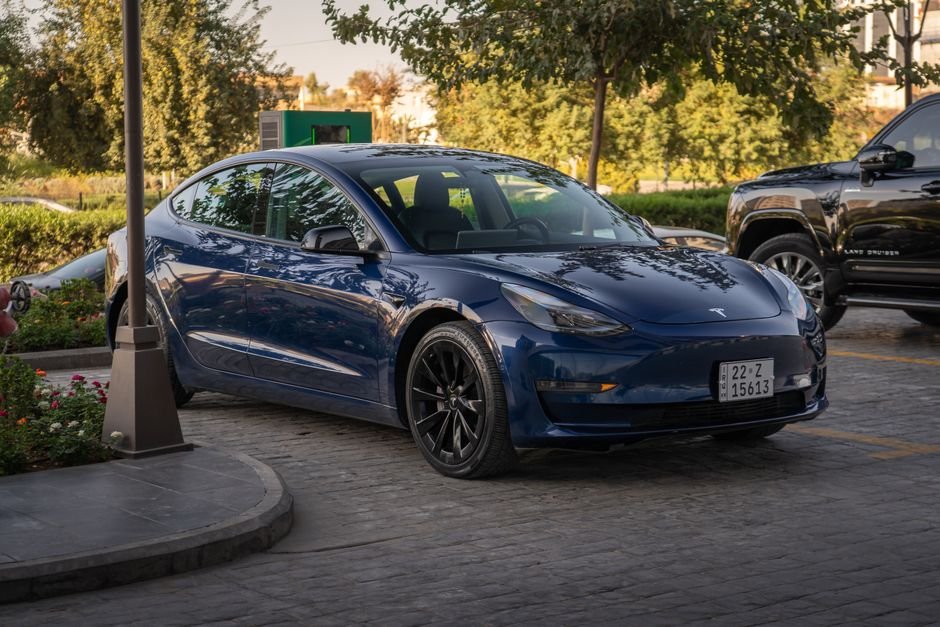
If you drive a 2018-2020 Tesla Model 3 or a 2021-2023 Tesla Model Y, it’s worth paying closer attention to how your car feels on the road right now. Federal safety regulators have opened a new investigation into roughly 1.2 million of these vehicles over reports of a front suspension part that can detach without warning.
What’s Actually Going On
The National Highway Traffic Safety Administration’s Office of Defects Investigation (ODI) opened a preliminary evaluation into an estimated 1,198,300 Tesla vehicles after receiving 156 owner complaints alleging that the front lower lateral link — a core piece of the front suspension — can separate from the car unexpectedly. The affected population covers certain 2018-2020 and some 2023 Model 3 sedans, along with 2021-2023 Model Y SUVs.
According to NHTSA’s notice, the failure typically strikes with little or no advance notice. The agency’s filing states that in most cases owners received “no advance warning or indication that the suspension failure would occur,” although some drivers did report unusual noises beforehand — without any dashboard warning light to accompany them. Once the link lets go, the vehicle can lose directional control and, in many cases, becomes undrivable, requiring a tow.
Importantly, NHTSA says it hasn’t linked the reports to any crashes, fires, injuries, or deaths so far. But regulators are treating the “no warning” nature of the failure as a serious red flag worth digging into before something worse happens.
How This Differs From Past Tesla Recalls
This isn’t the first time Tesla has dealt with lateral link problems. The company previously issued two smaller recalls tied to the same component — one covering 2,791 Model 3 vehicles from the 2019-2021 model years due to a production issue, and another covering 422 Model 3 vehicles from 2018-2019 with similar failures. This new investigation, however, is a different animal. ODI’s notice specifically states that the failures being investigated now go beyond the scope of those earlier recalls and “do not appear to be related to the production issue that prompted those recalls” — suggesting a broader design or component issue rather than a one-off manufacturing defect.
This preliminary evaluation is only the first step in NHTSA’s formal review process. Investigators will now try to determine the root cause, scope, and severity of the problem. If they conclude there’s an unreasonable safety risk, the case could escalate to a full engineering analysis and eventually a mandatory recall covering all 1.2 million vehicles. It’s also possible the probe closes without any action, as has happened with some past Tesla investigations.
What Owners Should Watch For
If your Model 3 or Model Y falls into the affected model years, here’s what to keep an eye — and ear — on:
- Unusual clunking or knocking noises from the front end, especially over bumps or during turns
- Changes in steering feel, such as looseness, vibration, or the car pulling to one side
- Uneven tire wear on the front tires, which can hint at alignment or suspension trouble
- Any dashboard alerts related to suspension or stability systems, even though NHTSA notes these failures often produce no visual warning
If you notice any of these signs, don’t wait — have the front suspension inspected by Tesla service or a qualified independent shop as soon as possible. Because this is a “no warning” failure mode, being proactive matters more than usual.
What Happens Next
For now, there’s no recall and no required action from owners. Preliminary evaluations can take months to resolve, and Tesla has not yet issued a public statement on the investigation. This suspension probe also lands amid broader scrutiny of the automaker, including an earlier NHTSA investigation into Full Self-Driving crashes that was upgraded to cover 3.2 million vehicles, and a separate, unrelated review of Tesla’s door-handle emergency releases that resulted in a new rulemaking process rather than a formal defect investigation.
CarDoggo will continue tracking this story as NHTSA’s review develops. In the meantime, if you own an affected Model 3 or Model Y, it’s smart to check your vehicle’s VIN against future recall notices at NHTSA.gov and keep a mental note of any strange noises or handling changes — even small ones — until regulators reach a conclusion.