
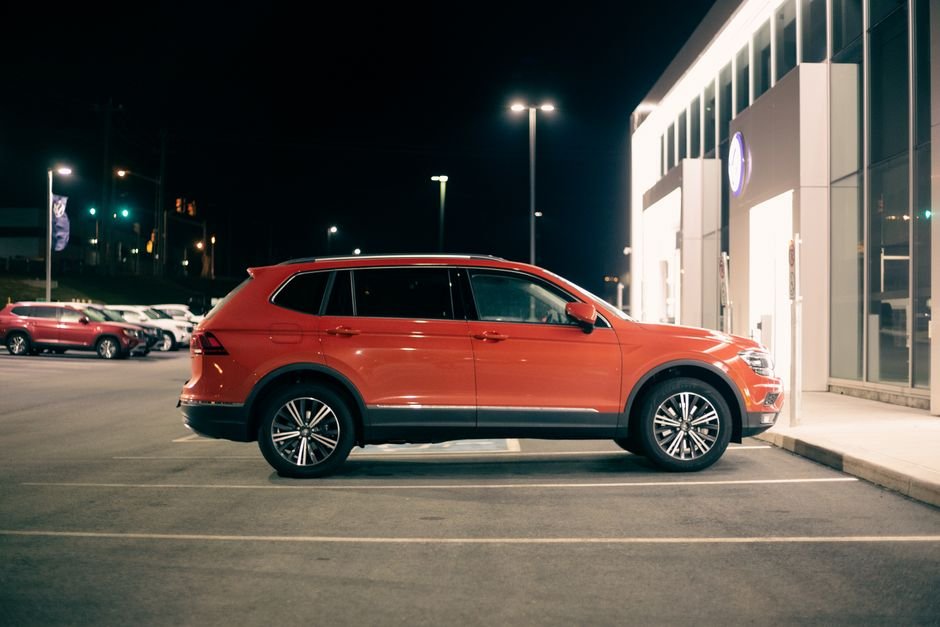
The $7,500 federal EV tax credit is gone for good. No amount of wishing brings it back. It expired on September 30, 2025, cut short seven years early by the One Big Beautiful Bill Act. There’s no replacement coming. If you were counting on that discount to make an electric vehicle pencil out, it’s time to look at the best hybrid SUVs 2026 has on sale instead.
That’s not a consolation prize. Hybrids dodge range anxiety, charging logistics, and the resale uncertainty still haunting some EVs. They also deliver fuel economy numbers that would’ve sounded fictional a decade ago. Here’s where your money goes furthest right now.
Why should you buy a hybrid SUV instead of an EV in 2026?
Without the tax credit, a comparable EV often costs more upfront than a hybrid. You get similar peace of mind but none of the charging hassle. Hybrids also hold resale value better in many segments. For most everyday drivers, that math now favors gas-electric power over a plug.
If you’re still torn on the broader EV-versus-gas question, our full decision framework for buying an EV in 2026 walks through when electric still makes sense. For most shoppers, though, a hybrid is simply the lower-stress choice right now. That’s especially true if you don’t have home charging sorted out.
Which hybrid SUV gives you the most for your money?
The Kia Niro Hybrid is the cheapest hybrid SUV on sale. It starts around $27,390 to $29,000. It also posts the best fuel economy of the group, at roughly 53 mpg combined. If budget and gas savings matter most, it’s the easy pick.
The catch: the Niro only comes in front-wheel drive. If you deal with real snow, you’ll want something else on this list.
Compact hybrid SUV price and mileage comparison
| Model | Starting Price | Combined MPG | Drivetrain |
|---|---|---|---|
| Kia Niro Hybrid | $27,390–$29,000 | Up to 53 mpg | FWD |
| Toyota Corolla Cross Hybrid | $28,995–$30,445 | 42 mpg | FWD/AWD |
| Kia Sportage Hybrid | $30,490–$31,735 | 35–42 mpg | FWD/AWD |
| Hyundai Tucson Hybrid | $32,450–$33,000 | 36–38 mpg | FWD/AWD |
| Toyota RAV4 Hybrid | $31,900–$43,300 | Up to 43 mpg | Standard AWD |
| Honda CR-V Hybrid | $37,080–$44,000 | 35–40 mpg | AWD |
Is the Toyota RAV4 Hybrid still the best all-around pick?
Yes, and it’s not particularly close. The redesigned sixth-generation RAV4 Hybrid starts around $31,900 to $33,350. It comes with standard all-wheel drive. It returns up to 43 mpg combined, beating most rivals while undercutting many on price.
Toyota sells more hybrid SUVs than anyone else for a reason. Parts availability, resale value, and dealer network all favor it. The hybrid system also has over a decade of real-world reliability data behind it. If you want one car on this list to just go buy, it’s this one. For a direct head-to-head against its closest rival, check our Rogue Hybrid vs RAV4 Hybrid comparison.
What if you need three rows?
The Kia Sorento Hybrid is the best value three-row hybrid. It starts around $38,890 to $40,335 with 34 mpg combined. The Toyota Grand Highlander Hybrid offers more interior space, starting near $45,210 with up to 97.5 cubic feet of max cargo room. Pick Sorento for value, Grand Highlander for space.
The Hyundai Palisade Hybrid also deserves a look if you need seating for eight. It starts around $45,760 with 34 mpg combined and plenty of family-friendly tech. All three beat any three-row EV on price now that the federal credit is gone.
Should you consider a plug-in hybrid instead?
A plug-in hybrid (PHEV) splits the difference. You get 20 to 40 miles of pure electric range for commuting, plus a gas engine for longer trips. No charging-station anxiety required. The Kia Sportage PHEV starts around $40,490, with 268 horsepower and up to 34 miles of electric range. The Toyota RAV4 Plug-In Hybrid starts near $41,500.
If you’ve already got a home charger and a short commute, a PHEV can realistically run on electricity most days. Just know the RAV4 Prime, the PHEV’s previous name, has had multiple recalls affecting drive power. Check our coverage of the 2026 RAV4 Plug-In Hybrid recall before you sign anything.
Does losing the EV tax credit actually change total cost of ownership?
It shrinks the gap that used to favor EVs. It doesn’t eliminate it entirely, though, since electricity still costs less per mile than gasoline in most states. Hybrids now often win on upfront price, insurance costs, and resale value combined. That’s especially true once you factor in home charger installation costs EVs still require. For the full math, see our breakdown on EV total cost of ownership in 2026.
Worth noting: there’s still a separate auto loan interest deduction on the table for some new vehicle purchases. Hybrids qualify in certain cases. Our guide on which new cars qualify for the $10,000 car loan tax break breaks down who actually benefits.
FAQ
Is there any federal incentive left for buying a hybrid SUV in 2026?
No direct purchase credit exists for standard hybrids. Plug-in hybrids never qualified for the full EV credit anyway in most cases. That credit is gone regardless of vehicle type as of October 2025.
Are hybrid SUVs more expensive to maintain than gas-only models?
Not meaningfully. Toyota and Honda’s hybrid systems have over a decade of reliability data behind them. Battery and drivetrain costs run comparable to, or lower than, traditional transmissions over a typical ownership period.
Will hybrid SUV prices keep rising in 2026?
Expect modest increases tied to tariffs and material costs. Nothing dramatic, though. Compact hybrid SUVs have stayed within a few hundred dollars of 2025 pricing across most brands.
Should I still consider an EV at all in 2026?
If you have home charging and a predictable commute, EVs remain cheaper to fuel long-term. You don’t need the tax credit to make that math work. For everyone else, a hybrid is the lower-risk choice right now.