
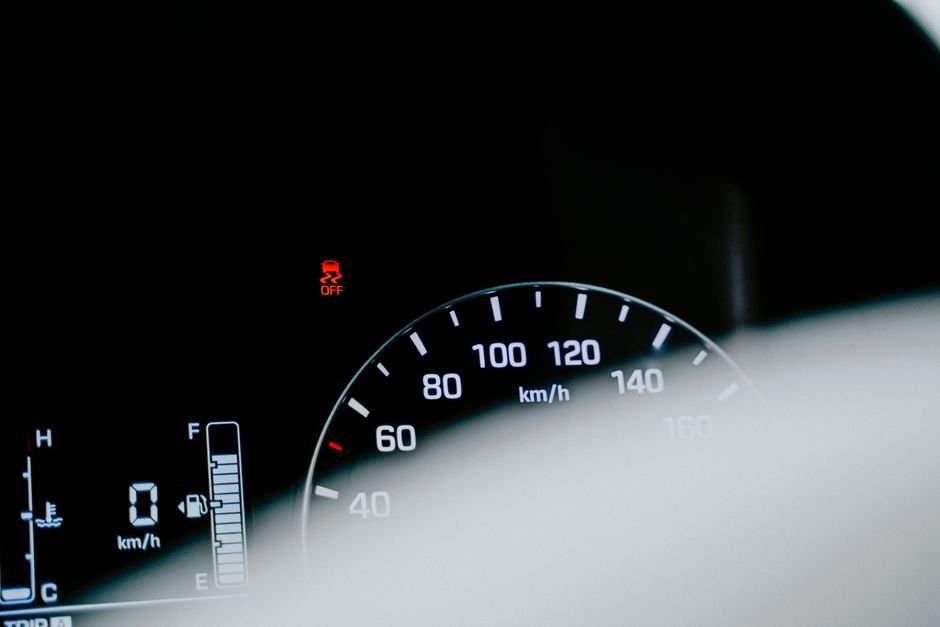
A check engine light on but car runs fine usually means a sensor, emissions component, or loose gas cap has triggered a fault code without affecting drivability yet. It’s rarely something to ignore, since minor issues like this can escalate into expensive repairs if left unaddressed for weeks or months.
Modern engines run on dozens of sensors feeding data to a central computer. When one sensor reports a value outside its expected range, the computer logs a trouble code and lights up the dash, even if you can’t feel any difference in how the car drives. That gap between “something’s wrong” and “car feels fine” is exactly why this warning light confuses so many drivers.
What the Check Engine Light Actually Means
The check engine light is tied to your vehicle’s onboard diagnostics system, known as OBD-II in every car built since 1996. It monitors emissions-related components, fuel delivery, ignition timing, and dozens of other systems in real time.
When a reading falls outside acceptable parameters, the computer stores a Diagnostic Trouble Code (DTC) and illuminates the light. A steady light typically signals a moderate issue. A flashing light means something more serious, like an active engine misfire, and calls for immediate attention.
Steady Light vs. Flashing Light
- Steady light: Non-urgent issue detected. Safe to drive short distances, but get it scanned within a few days.
- Flashing light: Active misfire or damage risk. Reduce speed, avoid heavy acceleration, and get to a shop as soon as possible.
Common Causes When the Car Still Drives Normally
Here are the most frequent reasons the light comes on without any noticeable performance change.
1. Loose or Damaged Gas Cap
A gas cap that isn’t sealed tight lets fuel vapors escape, which the evaporative emissions system detects as a leak. This is the single most common cause of an unexpected check engine light, and it costs nothing to fix if you simply tighten the cap.
2. Failing Oxygen Sensor
The oxygen sensor measures unburned oxygen in the exhaust to help the engine computer balance the fuel mixture. A worn sensor sends inaccurate data but rarely causes a noticeable drop in performance right away. Left unfixed, it can quietly hurt fuel economy by 10 to 40 percent over time.
3. Catalytic Converter Efficiency Below Threshold
This code appears when the catalytic converter isn’t cleaning emissions as efficiently as it should, often due to an upstream issue like a failing oxygen sensor or spark plug. The car can drive fine for a long time before the converter fully fails, but repairs run $900 to $2,500 depending on the vehicle.
4. Mass Airflow Sensor (MAF) Issues
The MAF sensor measures incoming air to calculate the correct fuel ratio. A dirty or failing sensor can trigger the light while the engine compensates well enough that you don’t feel a difference, at least initially.
5. Aging Spark Plugs or Ignition Coils
Worn spark plugs or a weakening ignition coil can cause intermittent misfires too minor to feel but easy for the computer to detect. This is one of the more affordable fixes on this list, and postponing it risks damaging the catalytic converter.
6. EVAP System Leaks
Beyond a loose gas cap, cracked hoses or a faulty purge valve in the evaporative emissions system can also trigger the light. These leaks don’t affect how the car drives but do violate emissions standards.
Common Check Engine Light Triggers: Severity and Cost
| Cause | Drivability Impact | Urgency | Typical Repair Cost |
|---|---|---|---|
| Loose gas cap | None | Low | $0 |
| Oxygen sensor | Minimal at first | Moderate | $150–$400 |
| Mass airflow sensor | Minimal | Moderate | $200–$400 |
| Spark plugs/ignition coil | Minor, intermittent | Moderate | $100–$300 |
| EVAP leak (hose/valve) | None | Low | $150–$500 |
| Catalytic converter | None until advanced | High | $900–$2,500 |
How to Diagnose the Problem Yourself
You don’t need a mechanic to find out what’s wrong. A basic OBD-II scanner, available for $20 to $60, plugs into a port under the dashboard and reads the stored trouble code in seconds.
- Plug the scanner into the OBD-II port, usually located under the steering column.
- Turn the ignition to the “on” position without starting the engine.
- Read the code displayed, then look it up against a free online database or the scanner’s manual.
- Clear the code after fixing the issue to confirm the light doesn’t return.
Many auto parts stores, including AutoZone and O’Reilly, will scan the code for free if you don’t own a scanner.
When to Fix It Immediately vs. When You Can Wait
Not every check engine light demands an emergency shop visit, but ignoring the wrong one can turn a $150 repair into a $2,000 one.
Fix Immediately If:
- The light is flashing rather than steady
- You notice a burning smell, rough idle, or loss of power
- The code points to a misfire (P0300 series codes)
- Oil pressure or temperature warnings appear alongside the check engine light
Safe to Schedule Within a Week If:
- The light is steady and the car drives normally
- The code relates to an oxygen sensor, EVAP system, or gas cap
- No unusual smells, sounds, or fluid leaks are present
Why Ignoring It Costs More Later
A minor sensor problem left unresolved often triggers a chain reaction. A failing oxygen sensor, for example, can cause the engine to run too rich, which fouls spark plugs and eventually overloads the catalytic converter. What starts as a $200 fix can snowball into $2,500 in cascading repairs within a year.
Fuel economy takes a hit too. Studies from the EPA suggest that fixing a significant emissions-related issue, like a failed oxygen sensor, can improve fuel economy by an average of 40 percent in extreme cases. That is real money at the pump, not just a theoretical concern.
If your vehicle happens to be affected by a wider issue, it’s also worth checking whether it falls under an open recall. 2026 has been a record year for recalls, and some engine-related fixes are covered at no cost to you.
Preventing Future Check Engine Light Surprises
Routine maintenance is the cheapest insurance against this problem. Staying current on oil changes, spark plug replacement intervals, and air filter swaps prevents most of the sensor-related codes covered above.
If you’re shopping for a replacement vehicle because repair costs are piling up, it’s worth comparing used versus certified pre-owned options before committing to another repair bill on an aging car. And if the vehicle in question is getting close to trade-in age anyway, reviewing budget-friendly SUV picks for 2026 can help put the repair cost in perspective against a newer, more reliable option.
Frequently Asked Questions
Is it safe to drive with the check engine light on if the car feels fine?
Yes, for short distances, as long as the light is steady and not flashing. Get the code scanned within a few days to confirm there’s no hidden issue building toward a bigger failure.
Can a check engine light turn off on its own?
Sometimes. If the triggering issue was minor, like a loose gas cap that’s since been tightened, the light may turn off after a few successful drive cycles. Persistent issues will keep the light on or cause it to return.
How much does it cost to diagnose a check engine light?
Most auto parts stores scan the code for free. Dealerships and independent shops typically charge $50 to $120 for a full diagnostic that includes checking related systems, not just reading the code.