
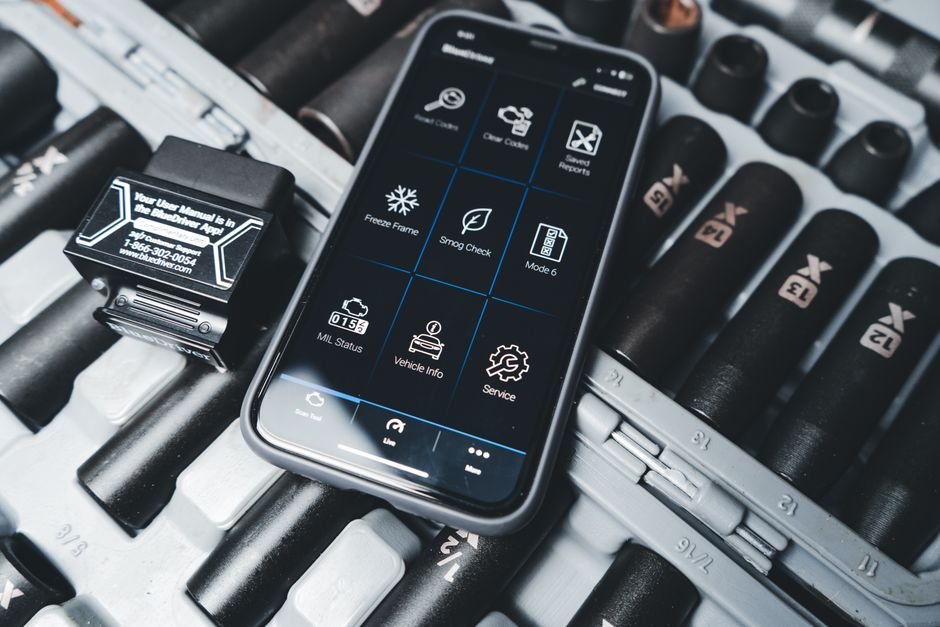
Nearly 24 million vehicles got swept into recalls in the first half of 2026 alone. That’s more than double the number from the same stretch last year. That surge is why a $40 OBD2 scanner suddenly looks less like a gearhead gadget and more like basic car ownership gear. It’s worth buying, and here’s why.
Recall notices arrive in the mail. But a lot of the mechanical symptoms that lead to those notices show up on your dashboard first. Things like rough idle, sensor faults, and warning lights. A cheap scanner lets you read what your car is actually telling you. Then you can decide if it’s serious or nothing at all, before you even drive to the dealer.
Are car recalls really hitting a 5-year high in 2026?
Yes. Recall events themselves actually dropped slightly. But the number of vehicles swept up in them exploded. That combination pushed 2026 to the highest impacted-vehicle count in five years. Fewer campaigns, but each one much bigger and messier.
The numbers tell the story better than any headline. Data from Sedgwick shows the number of recall campaigns fell 6.5% in the first half of 2026, hitting a six-year low, while the number of vehicles caught up in those recalls jumped 111.6% to nearly 24 million, up from about 11 million a year earlier. Ford alone recalled 1.39 million vehicles over a gear shift issue. A separate campaign covering more than a million Jeep Wranglers and Gladiators has been tied to 72 fires and one injury.
Ford is driving a huge share of this. The automaker set a record in 2025 with 152 recalls in a single year. And 2026 hasn’t slowed down much. Add in a federal ban on certain Chinese-made airbag inflators, tied to a string of fatal accidents. You’ve got a year where recall news feels constant. That’s because, honestly, it kind of is.
So what does an OBD2 scanner actually do?
An OBD2 scanner plugs into a port under your dashboard. It reads the diagnostic trouble codes your car’s computer has already logged. In plain terms, it translates that vague check-engine light into an actual code you can look up. Then you know if it’s a $20 fix or a $2,000 one.
Every car sold in the U.S. since 1996 has an OBD2 port. So compatibility isn’t really a concern. Budget scanners in the $15 to $40 range handle the basics: reading and clearing codes. Pricier ones add live data streaming, battery testing, and ABS or airbag system checks.
| Scanner Type | Typical Price | What It Does |
|---|---|---|
| Basic code reader | $15–$30 | Reads and clears check-engine codes only |
| Bluetooth/app-based | $25–$50 | Streams live data to your phone, freeze-frame info |
| Advanced multi-system scanner | $80–$150 | Adds ABS, SRS, battery testing, oil-life resets |
Can a $40 OBD2 scanner actually catch a recall issue?
Not directly. Recalls are tracked by VIN, not by diagnostic code. So a scanner won’t flag “you’re part of Recall 26V-123” on its screen. But it will often catch the underlying symptom first, like a sensor fault or transmission code. That symptom might later turn out to match a recall you hadn’t even heard about yet.
That gap matters more than people realize. NHTSA data shows the average recall completion rate across manufacturers sits around just 48%. That means roughly half of all recalled vehicles are still out there unrepaired. A scanner won’t fix that problem for you. But it does mean you’re not flying blind between when a symptom appears and when the official notice shows up. Pair it with a regular VIN check on NHTSA’s recall lookup tool. Now you’ve got a real early-warning system instead of just waiting for a letter.
Is a $40 OBD2 scanner actually worth buying in 2026?
Absolutely. It’s one of the cheapest insurance policies you can buy for your car. Even a basic model pays for itself the first time it saves you a $100 diagnostic fee at the shop. And in a year with this much recall churn, knowing what your dashboard lights mean is worth more than usual.
I’d skip the $15 no-name versions. They only read generic codes and offer no real support. Instead, spend closer to $35–$50 on something like the Ancel AD410, or a similarly rated Bluetooth model that also checks O2 sensors and EVAP leaks. That’s enough capability for 90% of what a daily driver will ever throw at you. And you won’t pay shop-grade prices for features you’ll never use.
If you own something that’s already been through the recall wringer, a scanner matters even more. Say a Ford F-150 with an open fuel tank recall, or a Toyota Camry caught in last year’s 508,000-vehicle recall. It lets you monitor whether a repair actually resolved the underlying fault. That’s better than just clearing the warning light and hoping for the best.
FAQ
Do OBD2 scanners work on electric vehicles?
Most EVs still have an OBD2 port for regulatory and emissions-adjacent systems. But a basic $40 scanner won’t read deep battery or drivetrain diagnostics the way an automaker’s own app does. For EV-specific issues, check the manufacturer’s app first.
Will a cheap scanner clear a recall from my car’s record?
No. Recalls are tied to your VIN in NHTSA’s database, not to codes stored in your car’s computer. Clearing a code with a scanner has zero effect on whether a recall shows as open or completed.
How do I know if my car has an open recall right now?
Enter your 17-digit VIN into NHTSA’s free recall lookup tool. It pulls directly from manufacturer filings. It takes under a minute and costs nothing.
Are more expensive scanners actually better?
For most drivers, no. A $35–$50 scanner covers check-engine codes, O2 sensors, and EVAP leaks. That handles the vast majority of everyday issues. The $100-plus models mainly add value for ABS, SRS, and transmission-specific diagnostics.