
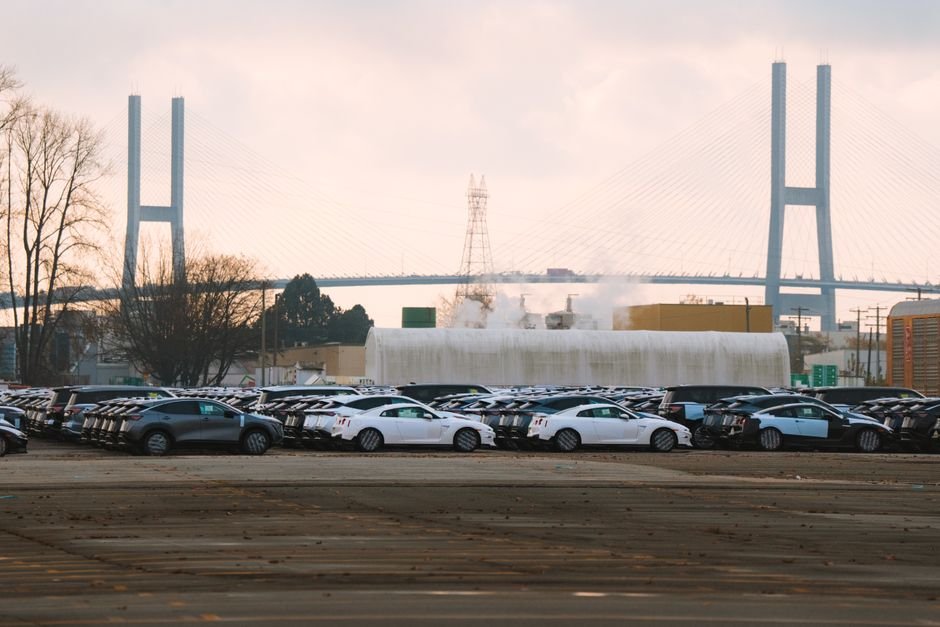
Used EV prices went up in 2026. If you’ve been waiting for a discount, that discount already came and went. Everyone assumed a wave of lease returns plus the end of the federal EV tax credit would tank used electric vehicle values. Instead, prices climbed. Shoppers who sat on the sidelines waiting for a deal are now paying more than they would have in January.
How much have used EV prices actually gone up?
Used EV prices rose roughly 5% to 7% during the first half of 2026. That happened even as more off-lease EVs than ever hit dealer lots. This is the opposite of normal depreciation. It caught a lot of buyers off guard.
Edmunds tracked three-year-old EVs from the 2023 model year. Their average transaction price climbed 6% in the first six months of 2026, reaching $33,303 up from $31,429. Cox Automotive found that 21 of the 25 best-selling used EV models got more expensive between January and June alone.
The individual model numbers tell the story even better. Here’s what a few popular used EVs cost in January versus mid-2026:
| Model | January 2026 price | Mid-2026 price | Change |
|---|---|---|---|
| 2023 Chevrolet Bolt EV | Under $18,000 | Over $21,000 | ~20% |
| 2021 Volkswagen ID.4 | Under $19,000 | Over $21,000 | ~13% |
| 2022 Tesla Model 3 | ~$23,750 | ~$27,000 | ~14% |
Those aren’t small moves. A Bolt buyer who waited six months paid roughly $3,000 more. Same car, same year, just a worse timing decision.
Why are used EV prices climbing instead of falling?
Used EV prices are rising because demand jumped faster than supply could absorb it. High gas prices pushed more shoppers toward electric options. That happened at exactly the moment the market expected extra lease-return inventory to soften prices instead.
Gas spiking past $4 a gallon in parts of the country played a big role. Cox Automotive’s Stephanie Valdez Streaty and other analysts point to the same pattern. It’s not just Tesla anymore. It’s broad-based across brands.
Recurrent had projected around 500,000 lease returns flooding the used market in 2026. They expected potentially double that in 2027. Black Book had forecast a $1,500 to $2,500 price drop from that supply wave. The drop never showed up. Demand simply absorbed the extra inventory and then some.
There’s also a straightforward affordability angle. Buyers increasingly compare a three-year-old EV to a four-and-a-half or five-year-old gas car at a similar price point. Plenty of them are choosing electric. That’s a shift worth watching if you’ve also been reading about how EV discounts are shrinking while gas car deals grow on the new-car side. The used market is now telling a similar story in reverse.
Did killing the federal tax credit make used EVs cheaper?
No, and that’s the counterintuitive part. The $4,000 federal credit for used EVs expired on September 30, 2025. Conventional wisdom said prices would drop once that subsidy disappeared. Instead, used EV values mostly held steady or rose over the following months.
Interestingly, close to half of used EVs are still priced under $25,000. That used to be the cutoff for tax credit eligibility, even though that credit no longer exists. Sellers apparently found that price point works on its own merits, credit or no credit.
Meanwhile new EV prices actually fell after the credit ended. They dropped over 12% by some measures as automakers discounted unsold inventory. That split has left used and new EV pricing moving in opposite directions.
Should you buy a used EV right now?
Yes, if you find the right car at a fair price. Buy it now rather than betting on a discount that may never arrive. The “wait for prices to drop” strategy has already failed once in 2026. There’s no strong signal it’ll work better in the back half of the year.
That said, I wouldn’t panic-buy the first EV on a lot either. Gas prices could ease. The much larger lease-return wave projected for 2027 could finally create real slack in the market. If your current car is fine and you can wait a year, that’s a reasonable bet.
But if you need a car in the next few months, don’t count on used EVs getting cheaper before then. CNBC’s reporting on this trend makes clear the price growth has been broad and sustained, not a blip.
A few practical tips if you’re shopping now:
- Compare a certified pre-owned EV against a private-party listing. CPO often includes battery warranty coverage that’s worth the premium; see our breakdown of used vs. certified pre-owned for the tradeoffs.
- Budget EVs like the Bolt and Leaf are still relatively cheap despite recent gains. Check our Bolt vs. Leaf comparison before choosing between them.
- Get a battery health report before signing anything. Range degradation matters more than mileage alone on an EV.
FAQ
Are used EV prices expected to keep rising through the rest of 2026?
Most analysts expect prices to stay elevated or rise modestly rather than fall sharply. Gas prices and demand haven’t cooled, and the biggest supply wave isn’t expected until 2027.
Is buying a used Tesla still a good deal in 2026?
Used Tesla prices rebounded strongly after the federal tax credit expired. They’ve generally outpaced other brands. Still, Model 3 and Model Y remain competitively priced against gas rivals.
Do used EVs still qualify for any tax credit?
No. The federal used EV tax credit of up to $4,000 expired on September 30, 2025. No replacement federal credit exists, though some states still offer their own EV incentives.
Is a used EV cheaper than a comparable used gas car now?
The gap has narrowed dramatically. It’s gone from over $10,000 a few years ago to roughly $1,000 today. Used EVs are close to price parity with gas vehicles for the first time.