
If it feels like every automaker suddenly has a plug-in hybrid to sell you, you’re not imagining things. Plug-in hybrid electric vehicles, or PHEVs, have quietly become one of the hottest segments in the auto industry, even as headlines about the broader EV market sound gloomier than they used to. So what’s actually going on, and does a PHEV deserve a spot on your shopping list? Let’s break it down.
The Numbers Don’t Lie
Plug-in hybrids are booming almost everywhere except the place you’d expect: the United States. Globally, the picture is striking.
Over 20 million plug-in cars were sold globally last year, including both plug-in hybrids and pure electric vehicles, meaning 25% of new vehicles had a plug, a new record.
China leads the charge by far, where
13.2 million plug-in cars were sold last year, representing 53% of that market
, and
in Europe, sales jumped by 30% to over 4 million units, or 28% of sales
.
Here at home, the story is more nuanced.
The U.S. was far behind the global average, with plug-in car sales coming in below 10% of the market, and EV sales plunged in the fourth quarter as car companies pulled back production and the loss of the $7,500 tax credit dinged demand.
But within that shrinking plug-in pie, hybrids and PHEVs specifically are thriving.
Hybrid vehicles emerged as the strongest growth segment in the first half of 2026, with hybrid sales projected to grow by roughly 9% even as the overall new-vehicle market softened.
One recent industry snapshot pegged combined hybrid-and-PHEV share as
approaching 12–15% of electrified sales, driven largely by high fuel prices pushing consumers toward more affordable efficiency options like hybrids
.
Why the Sudden Appeal?
Part of the answer is timing. The federal EV tax credit landscape changed dramatically last year.
With the signing of the One Big Beautiful Bill Act on July 4, 2025, the $7,500 federal tax credit for new EVs and the $4,000 credit for used EVs ended for vehicles acquired after September 30, 2025.
That means
the federal EV tax credit is no longer available for 2026 purchases, whether you’re looking at a new EV or a used one.
Without that incentive shaving thousands off a full EV’s sticker price, plenty of buyers are landing on PHEVs instead — vehicles that deliver much of the electric-driving experience without demanding you go all-in on charging infrastructure or accept range anxiety on longer trips.
That practicality is the other half of the story. A PHEV lets you drive short commutes and errands on pure electricity, then switch seamlessly to gasoline for road trips — no planning required, no public charger hunting. As one industry analysis put it,
with a hybrid you don’t have to do anything different than fueling a gas-only car, while still getting better fuel economy and polluting less — a great solution for consumers who aren’t ready to jump into a fully electric vehicle.
What’s Actually on the Market
The good news is that today’s PHEVs are dramatically better than the compliance cars of a decade ago. The redesigned 2026 Toyota RAV4 Plug-In Hybrid is a great example: it now delivers
a starting price of $42,950 including destination, with up to 52 miles of all-electric range compared with the outgoing model’s 42 miles
, and it actually got cheaper than the previous model year while improving performance.
Shoppers have plenty of other choices depending on their priorities:
- Budget-friendly:
The Kia Niro Plug-In Hybrid, with a base price of $34,490, is among the most affordable models among plug-in hybrid SUVs. - Best value/range balance:
The Hyundai Tucson PHEV offers around 33 miles of electric range at a starting price under $40,000 with destination. - Family hauler:
The 2026 Chrysler Pacifica Plug-in Hybrid minivan will take you 32 miles on electric power only, with an EPA estimate of 30 mpg. - Off-road capability: The Jeep Wrangler 4xe remains a fan favorite among plug-in SUVs, blending trail credibility with electric-only crawling.
Reliability matters too, and Toyota continues to lead there. According to recent testing data,
the Toyota RAV4 Prime and Lexus NX 450h+ lead the Consumer Reports 2026 reliability survey among PHEVs with above-average scores
, while
the Jeep Wrangler 4xe and Grand Cherokee 4xe rank below average due to charging-system and inverter complaints
.
The Catch: Do the Math on Charging
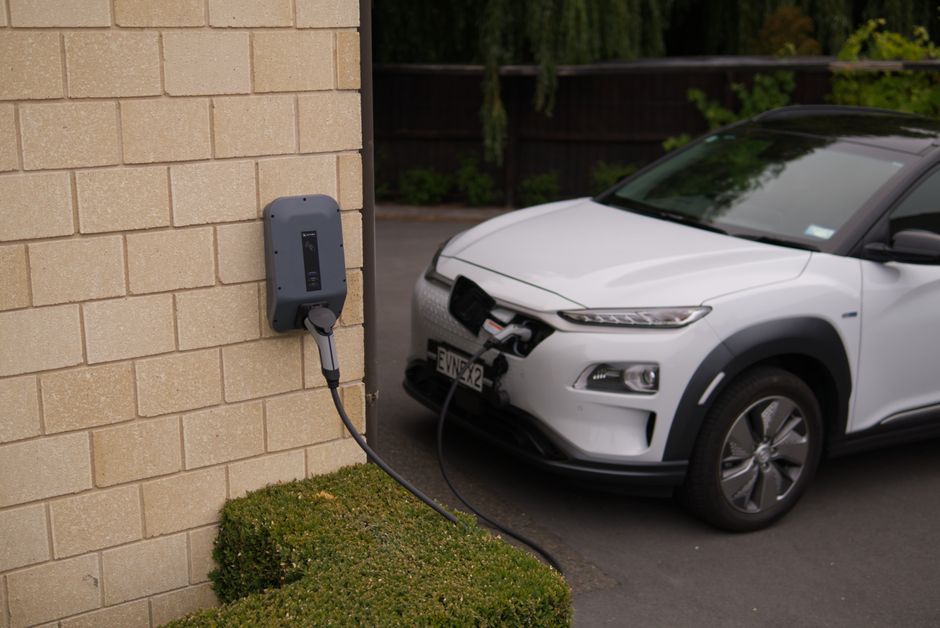
Here’s the honest truth that dealers don’t always volunteer: a plug-in hybrid only pays off if you actually plug it in. If you skip charging and just run it as a gas hybrid, you’re carrying around an expensive battery for no benefit. As one recent buyer’s guide bluntly noted,
none of those purchases makes financial sense without home charging, so confirming your electrician quote before signing dealer paperwork is the single check that decides whether the plug-in hybrid pays off or sits as a heavier hybrid for years
.
It’s also worth remembering that the tax-credit math has changed.
The $7,500 Clean Vehicle Credit expired on September 30, 2025, and no 2026 plug-in hybrid purchase qualifies federally
, so don’t let a salesperson quote you outdated numbers. Check your state and utility incentives instead — several states still offer their own rebates for plug-in vehicles.
The Verdict
Plug-in hybrids are legitimately having a moment, and it’s not just hype. For drivers with a home charger and a daily commute shorter than 30-50 miles, a PHEV can genuinely deliver electric-car savings and quiet, gas-optional driving most days, while still offering a full tank of confidence for road trips. Just go in with realistic expectations about charging discipline and skip the outdated tax-credit assumptions — do that, and a PHEV might be the smartest middle-ground car you buy this year.