
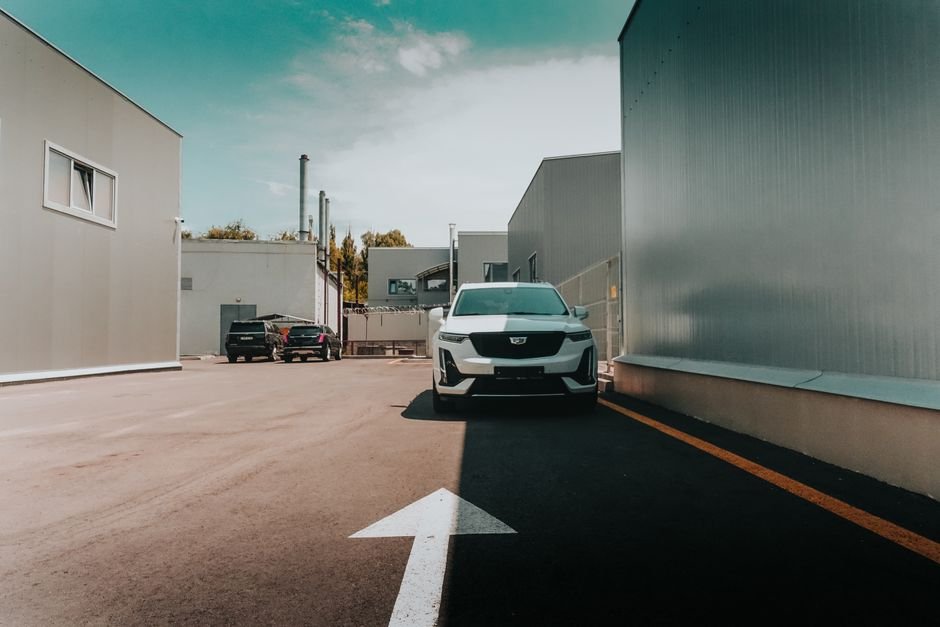
Yes, you can still buy a Lyriq or Blazer EV. But you need to understand exactly what this GM brake recall does and doesn’t fix. GM just told NHTSA it’s recalling 67,380 vehicles. The reason: software in the brake system control module can cause a temporary loss of braking at low speeds. That’s a real safety issue worth taking seriously before you sign anything.
This isn’t a vague “might be a problem someday” notice. GM already has complaints on file tied to this exact defect. And the fix involves more than a quick software flash at the dealer.
What does the GM brake recall actually cover?
The recall covers specific Cadillac and Chevrolet EVs built on GM’s Ultium platform. It’s narrower than the headline number suggests. Only performance all-wheel-drive versions are affected, not every Lyriq or Blazer EV on a lot.
Here’s the full breakdown of what’s included, according to GM’s safety recall report filed with NHTSA:
- 2023–2027 Cadillac Lyriq — performance AWD models only
- 2024–2027 Chevrolet Blazer EV — SS and PPV trims only
- 2025–2026 Cadillac Celestiq — all units
- 2026–2027 Cadillac Vistiq — all units
The issue sits in the brake system control module, or BSCM. According to the recall filing, the software can misread wheel movement during a specific sequence of events. That leads to a brief loss of braking at low speeds. Normal braking function comes right back once the driver presses the pedal again. But that moment of hesitation is exactly the kind of thing that causes fender-benders. Think parking lots and stop-and-go traffic.
Has this actually caused any crashes?
Yes, but nothing catastrophic so far. GM’s report to regulators cited 24 complaints potentially tied to this defect. That includes 20 minor accidents and two allegations of minor injuries. It’s enough to justify the recall, but it’s not evidence of a widespread safety crisis.
That track record matters for context. Compare it to something like the Mercedes S-Class brake recall, where the failure mode and complaint volume were different in scope. Twenty minor fender-benders across tens of thousands of vehicles isn’t nothing. But it’s also not a pattern of serious injuries.
Is this GM’s only brake problem right now?
No, and that’s the part that should give shoppers pause. NHTSA has a separate, much bigger investigation open. It covers roughly 1.16 million GM vehicles tied to a related “eBoost” brake assist failure. That list includes the Lyriq, Blazer EV, Equinox EV, Colorado, and even the Honda Prologue built on GM’s platform.
That investigation is still active. GM recently got a deadline extension from NHTSA to respond to the agency’s questions. Translation: this 67,380-vehicle recall might not be the last brake-related action GM takes on these EVs. If you’re brake-recall-averse, it’s worth knowing a bigger probe is still unresolved.
How does GM fix it, and is it free?
The fix is a straightforward software update. It’s done either over the air or at a dealership, and GM is covering it at no cost. That’s true regardless of mileage or vehicle age. You don’t need to replace rotors, pads, or calipers. This is purely a code problem, not a mechanical one.
GM says it began mailing owner notification letters in December 2026. VINs have been searchable on NHTSA’s site since late October. If you’re shopping a used Lyriq or Blazer EV right now, run the VIN through NHTSA’s recall lookup tool before you buy, not after.
Should you still buy a Lyriq or Blazer EV?
I’d still buy one, with conditions. If you’re after a base Lyriq Luxury or a front-wheel-drive Blazer EV LT, you’re not even in the affected population. This recall only hits performance AWD trims and the SS/PPV Blazer configurations.
If you do want one of the higher-performance trims, just confirm the software update has been applied first. That goes whether it’s new, CPO, or private-party used. That’s standard advice we also give for other recent SUV recalls: a recall with a free, proven fix is a speed bump, not a dealbreaker.
| Model | Starting MSRP | Affected by This Recall? |
|---|---|---|
| Chevy Blazer EV LT (FWD) | $44,700 | No |
| Chevy Blazer EV SS/PPV | $60,600+ | Yes |
| Cadillac Lyriq Luxury (RWD) | $59,200 | No |
| Cadillac Lyriq-V (AWD) | $78,595+ | Yes |
| Cadillac Vistiq | Starts in the $70Ks | Yes (all units) |
| Cadillac Celestiq | Six figures | Yes (all units) |
Before you finalize anything, step back and read our broader decision framework on buying an EV in 2026. Recall history is just one piece of a bigger ownership calculation. That calculation includes charging access, resale value, and total cost of ownership.
FAQ
Does the GM brake recall affect every Lyriq and Blazer EV?
No. It only hits performance all-wheel-drive Lyriq models and the SS and PPV trims of the Blazer EV. It also covers every Celestiq and Vistiq built in the affected model years.
Do I need to pay for the brake recall fix?
No. GM is covering the software update free of charge. That’s true whether it’s done over the air or at a dealership, regardless of mileage or age.
How do I check if my specific car is included?
Go to NHTSA’s recall lookup site and enter your 17-digit VIN. GM says VINs tied to this recall became searchable there in late October 2026.
It’s connected but separate. This 67,380-vehicle recall addresses one specific software bug. NHTSA’s larger ongoing investigation covers roughly 1.16 million GM vehicles and a related brake-assist failure mode that hasn’t resulted in a recall yet.