
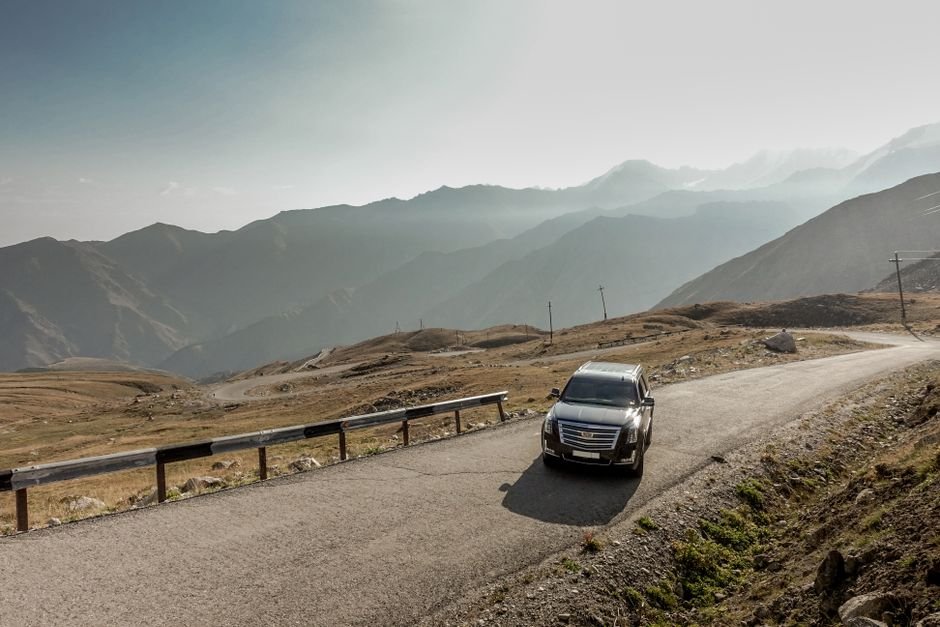
GM just told 67,380 Cadillac and Chevrolet EV owners their brakes might not work right at low speeds. That includes some of the newest Lyriqs and Blazer EVs still sitting on dealer lots. The fix is free and mostly a software patch. But the timing stings for a brand already fighting a reliability reputation problem.
If you’re shopping for one of these SUVs right now, or you already own one, here’s what the recall actually covers. We’ll break down how serious it really is, and whether it should change your decision.
What exactly is in this Cadillac Lyriq Blazer EV recall?
GM is recalling certain Cadillac LYRIQ, Chevrolet Blazer EV, Cadillac CELESTIQ, and Cadillac VISTIQ models. Software in the brake system control module may cause a temporary loss of braking at low speeds. The company reported the issue to NHTSA under campaign number 26V717 on October 29, 2026.
This isn’t a case of every Lyriq or Blazer EV on the road being affected. GM’s own filing notes that the affected populations are limited to performance all-wheel-drive (pAWD) configurations. On the Blazer EV, that trim is only available on the SS and PPV versions. So a base rear-wheel-drive Lyriq or a standard Blazer EV LT isn’t part of this one.
- Models: 2023-2027 Cadillac LYRIQ, 2024-2027 Chevrolet Blazer EV, 2025-2026 Cadillac CELESTIQ, 2026-2027 Cadillac VISTIQ
- Total units: 67,380
- NHTSA campaign: 26V717 / GM number N262570900
- Fix: Free software update, over-the-air or at a dealer
- Owner letters: Expected to mail December 14, 2026
How dangerous is a temporary loss of braking at low speeds?
A brief braking dropout at low speed is unsettling, but it’s not the same as losing brakes on the highway. GM already has a software fix ready to push. Still, any brake-related defect gets taken seriously by regulators, and should by owners too.
What makes this one a little less alarming is the fix itself. GM already corrected the software in current production. The 2027 Blazer EV got the update at the factory back in August 2026. 2026 Lyriq production was fixed by late September. For existing vehicles, the update can often be delivered over the air. That means many owners may never even need a dealer visit.
Is this part of a bigger brake pattern at GM?
Unfortunately, this isn’t an isolated incident. NHTSA opened a separate investigation in August 2026 into roughly 1.1 million GM vehicles equipped with the “eBoost” brake system. Owners reported brake assist failures across a wide range of models, including the Lyriq, Blazer, and Equinox EV.
That investigation hasn’t produced a recall yet. It’s also a different system than the one covered in this new 67,380-vehicle campaign. But combined, the two stories paint a picture of a brake software team at GM that’s been playing catch-up. If you’re cross-shopping EVs, it’s worth comparing how often a brand’s recalls trace back to the same underlying system versus one-off parts issues. The former tends to be a bigger red flag.
Does this recall mean the Lyriq and Blazer EV are unreliable?
The recall itself is a minor ding. But the reliability data around these two models was already shaky before this news broke. Consumer Reports has flagged GM’s Ultium-based EVs, including the Lyriq and Blazer EV, as scoring below or well-below average for reliability in its annual owner surveys, two years running now.
That’s a real factor, not a nitpick. J.D. Power’s owner data on the 2026 Lyriq rates quality and reliability as only “Fair.” Owners still rave about the driving experience and comfort, though. In other words, these are genuinely nice vehicles to drive and sit in. But they come with a higher-than-average chance of software gremlins and dealer trips.
Should you still buy a Cadillac Lyriq or Blazer EV?
Yes, but go in with eyes open. Lean toward the non-performance trims this recall doesn’t even touch. A standard rear-wheel-drive Lyriq Luxury starts around $59,200. A base Blazer EV starts closer to $46,500. Both skip the pAWD hardware at the center of this specific recall entirely.
If you specifically want the quicker pAWD Lyriq Sport or the Blazer EV SS, don’t let this recall scare you off. Just confirm the software update has been applied before you take delivery, whether it’s new or used. Dealers can check a VIN against open recalls in seconds. A fix that’s already baked into current production is about as low-risk as recalls get.
Where I’d actually hesitate is reliability, not safety. If dependable, worry-free ownership matters more to you than styling and cabin tech, it’s worth cross-shopping before you sign. Our decision framework for buying an EV in 2026 walks through exactly those tradeoffs. Shoppers eyeing a used Lyriq or Blazer EV should also check out our used EV buying guide. Recall history is one of the first things to check on any used EV listing.
How does this compare to other recent EV recalls?
GM isn’t alone here. 2026 has been a heavy year for EV recalls across the industry. The VW ID.4 fire recall, the Volvo EX30 recall, and GM’s own Cadillac Optiq recall all hit earlier this year. Software-based safety recalls are becoming routine as automakers push more vehicle functions into code. The silver lining: most get patched remotely rather than requiring a tow truck or weeks of waiting for parts.
| Model | Vehicles Affected | Issue | Fix |
|---|---|---|---|
| Cadillac Lyriq/Blazer EV (this recall) | 67,380 | Brake software, low-speed braking loss | Free software update, OTA or dealer |
| Cadillac Optiq | 29,347 | Separate software defect | Free update |
| VW ID.4 | Grown multiple times | Fire risk | Dealer repair |
| Volvo EX30 | 9,930 | Safety defect | Dealer repair |
FAQ
Is my Lyriq or Blazer EV affected by this recall?
Only performance all-wheel-drive versions are included. On the Blazer EV, that means SS and PPV trims specifically. Check your VIN on NHTSA’s recall lookup tool, or call Cadillac customer service at 1-800-333-4223 to confirm.
Do I need to take my car to a dealer for the fix?
Not necessarily. GM says the brake system control module software can be updated over the air for many vehicles. Some owners may still need a dealer visit, depending on their specific vehicle configuration.
When will owners be notified?
GM expects to mail owner notification letters starting December 14, 2026. VINs have already been searchable on NHTSA’s website since late October 2026, though. You don’t have to wait for the letter to check.
Should I wait to buy a Lyriq or Blazer EV until this is resolved?
No need to wait. Current production already has the fix baked in. Any dealer can verify a specific VIN’s recall status before you sign paperwork on a new or used unit.