
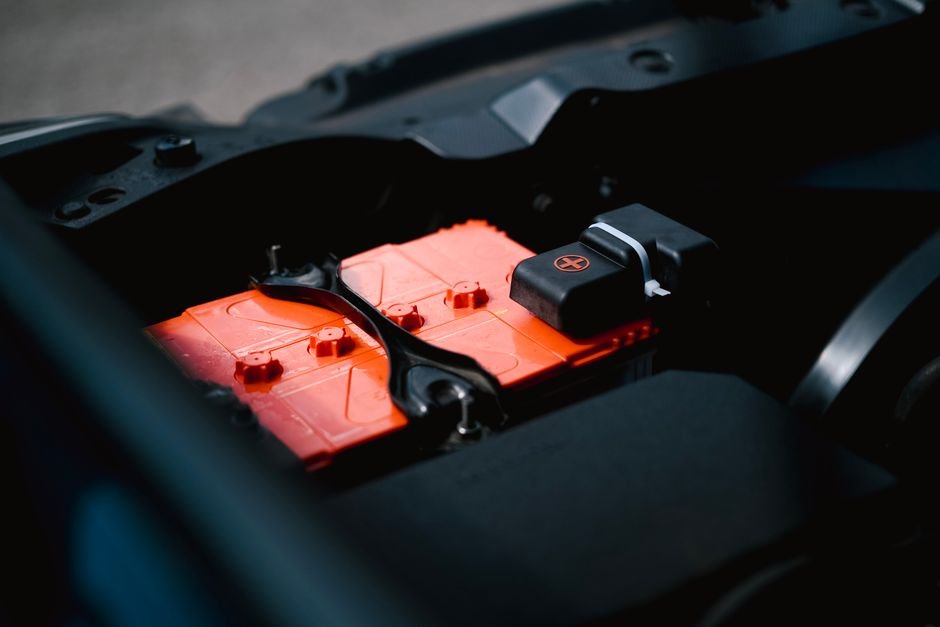
The single most important number when buying a used EV isn’t the price. It isn’t the mileage either. It’s the battery’s State of Health. Get that number wrong, or skip checking it entirely, and you can end up with a car that costs thousands more to actually use than the sticker price suggests. This used EV buying guide walks through everything you need to check, ask, and compare before signing anything.
Used electric vehicles are finally hitting a sweet spot. Prices have cooled from the inflated pandemic-era highs. The first big wave of off-lease EVs is flooding dealer lots. Battery tech has also matured enough that a well-chosen used EV can be a genuinely smart purchase. But EVs break the rules that used-gas-car buyers have relied on for decades. This guide covers the parts nobody explains clearly enough.
Is buying a used EV actually a good idea right now?
Yes, for most buyers — but only if you verify battery health and warranty status before you buy, not after. The used EV market has matured enough that mainstream models like the Bolt, Model 3, and Ioniq 5 are proven, dependable used-car choices rather than experiments.
Pricing has also shifted in buyers’ favor compared to a few years ago, though it’s not a straight line down. Cox Automotive’s April 2026 data showed the average used EV listing price rising to nearly $35,900. That’s up slightly month over month, even as year-over-year prices stayed close to flat. If you want the full pricing trend breakdown, our deep dive on used EV prices rising in 2026 covers whether it’s smarter to buy now or wait.
How do you check a used EV’s battery health before buying?
Ask for a State of Health (SOH) reading. You can get one from the dealer’s diagnostic tool, the automaker’s owner app, or a third-party inspection service. Never rely on the dashboard’s range estimate alone. A healthy 3-to-5-year-old EV should show SOH somewhere in the 85–95% range.
Here’s the practical, step-by-step version:
- Ask the seller to charge to at least 80% before you arrive. This makes the range estimate on the display actually meaningful instead of a random mid-charge number.
- Note the state of charge and estimated range together. For example, 82% charge and 210 miles remaining. Then compare that math against the car’s original EPA-rated range for that trim and model year.
- Check the automaker’s app. Tesla, Ford, GM, Hyundai, and Kia all expose at least some battery data to owners through their apps. Many owners can show you this on their phone during the test drive.
- Use an OBD-II dongle with an EV-specific app if you’re serious about a particular private-party car. A $30–$70 adapter can pull pack capacity, cell balance, and fast-charge history that the factory dashboard hides.
- Pay a specialist for a battery report on anything over $15,000. Independent EV inspection services in most metro areas can run a comprehensive diagnostic for a few hundred dollars. It’s cheap insurance against a five-figure mistake.
One important caveat: don’t judge a battery on mileage alone the way you would a gas engine. A higher-mileage EV that spent its life on gentle overnight home charging can have a healthier pack than a lower-mileage EV. That lower-mileage car might have lived on DC fast chargers in a hot climate instead. Charging habits and climate matter more than the odometer.
What SOH percentage is actually acceptable?
Treat anything above 90% as excellent. Treat 80–89% as normal, expected wear for a multi-year-old EV. Anything under 80% is a signal to slow down and negotiate hard. Most manufacturer battery warranties guarantee replacement only once SOH drops below 70%. That means a car sitting at 75% might be technically “fine,” but it’s close enough to that line to be risky if the warranty is about to expire.
How much range loss should you actually expect?
Most modern EV packs lose roughly 1–2% of their capacity per year on average. That works out to something like 15–20% total range loss over an 8–10 year span for a well-maintained car. That’s just the baseline, though. Heat, heavy DC fast charging, and poor thermal management can push individual cars well past it.
Independent telematics research backs this up with hard numbers. A large-scale analysis of thousands of EV battery packs found average degradation of about 1.8% per year. But the spread between the best and worst performers is wide. Tesla’s Model 3 with an LFP pack, the Chevy Bolt, Bolt EUV, and Hyundai Kona Electric all land in a low-degradation bracket. Their loss runs roughly 0.24–0.35% per 10,000 miles, thanks to strong battery management systems. Older air-cooled packs degrade noticeably faster. Think early Nissan Leafs and the BMW i3, especially in hot climates or with frequent fast charging.
| Mileage / Age | Typical range loss (well-maintained, liquid-cooled) | Typical range loss (air-cooled or hot-climate/high fast-charge use) |
|---|---|---|
| 0–30,000 mi / 1–3 yrs | 2–5% | 5–10% |
| 30,000–60,000 mi / 3–5 yrs | 5–10% | 10–18% |
| 60,000–100,000 mi / 5–8 yrs | 10–15% | 18–25%+ |
| 100,000+ mi / 8+ yrs | 15–20% | 25–35%+ |
If you’re cross-shopping specific models, our Chevy Bolt vs. Nissan Leaf comparison gets into exactly how these two budget EVs age differently in the real world.
Do EV battery warranties transfer to a second owner?
In most cases, yes. The battery warranty is tied to the vehicle’s VIN, not the original buyer. It automatically carries over to you when you buy used. Tesla, Ford, GM, Hyundai, Kia, and Nissan all currently allow their battery warranties to transfer to subsequent owners.
That said, don’t assume — verify by VIN before you buy. The federal minimum for EV battery warranties is 8 years or 100,000 miles, whichever comes first. Most manufacturers guarantee the pack won’t drop below 70% capacity during that window. Some brands have added wrinkles, though. A few premium models have voided certain bumper-to-bumper coverage on ownership transfer, even while keeping the battery warranty intact. Rivian offers up to 150,000–175,000 miles of transferable battery coverage on some trims. BMW’s high-voltage battery warranty transfers automatically with no fee or paperwork required.
Here’s the math that trips people up: warranty coverage ends at whichever limit — years or miles — comes first. A car with 100,000 miles on it after five years is out of warranty even if it’s not yet 8 years old. Conversely, a low-mileage 8-year-old EV ages out of coverage by calendar date alone. For a full breakdown of what these warranties do and don’t cover, read our guide on how EV battery warranties actually work.
What should you ask about warranty status specifically?
Get the VIN, call the manufacturer or check their online tool, and ask for the in-service date, not just the model year. A car titled and sold six months after production started that clock earlier than you’d think. Also ask whether any battery-related recall work was completed. Incomplete recall repairs can complicate a warranty claim later.
Which used EVs are safe bets — and which should you avoid?
The safest used EV picks right now share three traits: liquid-cooled battery packs, mature software, and a track record of slow degradation. The Chevy Bolt/Bolt EUV, Tesla Model 3, Hyundai Ioniq 5/Kona Electric, and Kia Niro EV/EV6 all fit that description. The riskiest picks are early air-cooled EVs and first-generation luxury EVs loaded with unproven electronics.
Models and years to be extra cautious with include:
- Early Nissan Leafs (2011–2017, 24/30 kWh): No liquid cooling means faster degradation, especially in hot climates or with regular fast charging.
- BMW i3 (94/120 Ah): Small pack, limited range even new, and degrades faster than most newer competitors.
- 2019 Hyundai Kona Electric: Subject to a global battery fire recall. Confirm the pack was actually replaced, not just software-patched.
- Early Audi e-tron (2019–2022): Owner surveys and road tests have flagged charging system faults and electronic issues in early production years.
- High-mileage rideshare or fast-charge-heavy cars: Any EV, regardless of model, that spent its life on DC fast chargers as a delivery or rideshare vehicle should be treated with suspicion no matter how good the price looks.
On the flip side, newer second-generation Nissan Leafs (2018+) have meaningfully better battery chemistry than the originals. Post-recall Bolt EUVs and Kona Electrics are generally solid once the fixed pack is confirmed. The gap between the best and worst used EVs is wide. Picking the right model matters as much as checking the specific car.
How much should a used EV actually cost in 2026?
Pricing varies a lot by model, age, and battery health. Here’s a realistic snapshot of where the market sits right now for popular models.
| Model | Typical used price (2026) | Original EPA range | Notes |
|---|---|---|---|
| Chevy Bolt EV/EUV (2021–2023) | $14,000–$19,000 | 247–259 mi | Best value pick; strong battery health track record post-recall |
| Nissan Leaf (2018–2022, 40/62 kWh) | $10,000–$18,000 | 149–226 mi | Cheapest entry point; no fast-charge road trips recommended |
| Tesla Model 3 (2021–2023) | $20,000–$28,000 | 263–358 mi | Best charging network access; verify LFP vs. NCM pack for degradation profile |
| Hyundai Ioniq 5 (2022–2023) | $21,000–$26,000 | 220–303 mi | Fast 800V charging; strong reliability scores among used EVs |
| Hyundai Kona Electric (2019–2022) | $16,000–$22,000 | 258 mi | Confirm 2019 recall/battery replacement history before buying |
| Ford Mustang Mach-E (2021–2023) | $19,000–$27,000 | 211–312 mi | Good crossover practicality; check for 12V battery and software recalls |
If you’re deciding between shopping the used market or waiting for new-EV discounts, our post on the best current EV cash-back deals is worth a look before you commit to buying used.
What questions should you ask the seller or dealer?
Come prepared with a specific list. Vague questions get vague answers, and EV sellers who don’t know their own car’s battery history are a red flag by themselves. Ask these directly:
- What is the current State of Health, and can you show me the diagnostic report, not just the dashboard estimate?
- What is the original in-service date, and how much of the battery/drivetrain warranty is left?
- Has this car ever had a battery module or full pack replacement, and if so, under warranty or out of pocket?
- How was this car typically charged — home Level 2, or frequent DC fast charging?
- Have all open recalls and battery software updates been completed?
- Was this car ever used for rideshare, delivery, or fleet duty?
- Does the sale include the mobile charging cable and any home charger, and is either still under its own warranty?
What red flags apply specifically to used EVs (that don’t apply to gas cars)?
Gas-car red flags like accident history, rust, and worn tires still matter. But EVs come with their own category of warning signs. A traditional used-car checklist won’t catch these.
- Evasiveness about battery health. If a seller says “it’s an EV, they’re all fine” instead of producing a report, that’s a data point, not reassurance.
- No charging cable or proprietary charger included. Replacement mobile connectors and home chargers can run several hundred dollars.
- Unexplained sudden range drops on the test drive. Gradual degradation is normal. A sharp cliff mid-drive suggests cell imbalance or a failing module.
- Open battery-related recalls. Check the VIN against the NHTSA recall database before you buy. Incomplete high-voltage recall work can be both a safety and warranty issue.
- Heavy fast-charge history on a car that should’ve been home-charged. A commuter car with a DC fast-charging habit usually means a delivery, rideshare, or road-trip life that stressed the pack.
- Software that’s stuck years behind. Outdated infotainment or battery-management software can mean missed range and safety improvements the automaker already pushed to other cars.
None of these are dealbreakers on their own. But two or three together should make you walk away or renegotiate the price significantly. For a broader comparison of buying used versus a certified program, check our guide on used vs. certified pre-owned cars. CPO EVs often come with extended battery coverage that can offset some of this risk.
Is a used EV actually cheaper to own than a used gas car?
Usually yes, once you factor in fuel and maintenance savings. But the math depends heavily on your electricity rates, how long you keep the car, and whether you can charge at home. Lower per-mile energy costs and fewer moving parts to service add up over time. A bad battery can wipe out those savings fast if you buy the wrong car, though.
For the full cost breakdown across ownership scenarios, our EV total cost of ownership analysis runs the numbers on financing, insurance, electricity, and depreciation side by side against comparable gas vehicles.
FAQ
Can I trust the dashboard’s range estimate as a battery health check?
Not on its own. Weather, driving speed, hills, and accessory use can all swing the estimate significantly. Treat it as one data point alongside a proper State of Health reading, not a substitute for one.
Is it worth paying for an independent EV battery inspection?
Yes, on anything above roughly $15,000. A few hundred dollars for a professional diagnostic scan is cheap protection against a battery pack replacement that can run into five figures.
Do I need a home charger to buy a used EV?
Not strictly, but it makes ownership far more convenient. It’s usually cheaper per mile than relying on public DC fast charging. Factor charger installation cost into your total budget if you don’t already have Level 2 charging at home.
Should I buy a used EV now or wait for prices to drop further?
If you find a model with verified strong battery health at a fair price today, buy it. Waiting rarely pays off, since well-maintained examples of popular models tend to sell quickly. Our dedicated post on whether to buy now or wait breaks down the pricing trends in more depth.