
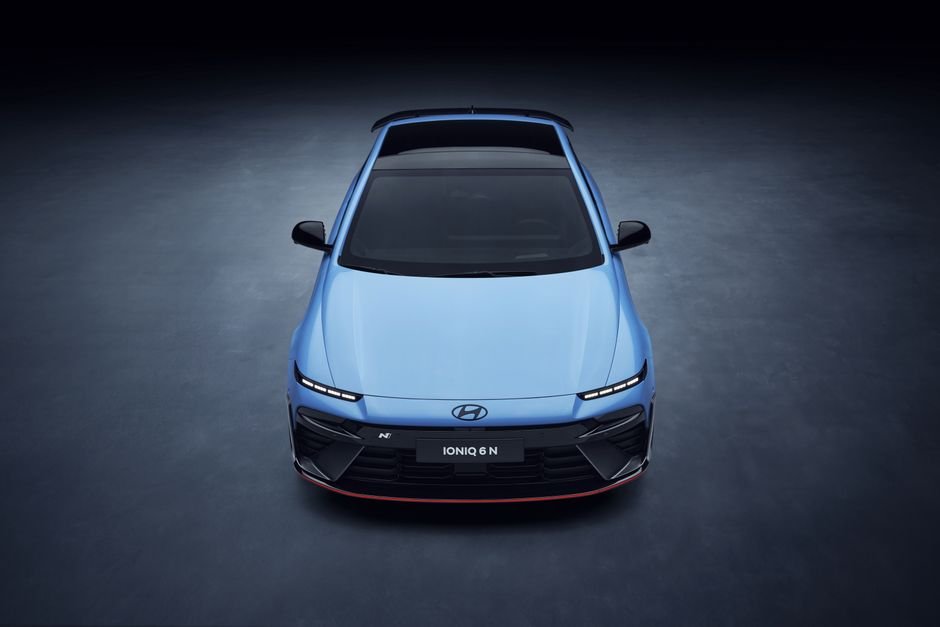
Yes, you can still buy a used Hyundai Ioniq 6 even with the recall hanging over it. The fix is free and quick. It doesn’t touch anything safety-critical about how the car drives.
The Hyundai Ioniq 6 recall in question covers more than 31,000 cars. The issue: a charging port door that can physically detach at highway speed. That sounds alarming, but it’s a far cry from a battery fire risk or a brake failure.
Still, this isn’t the Ioniq 6’s only recall. Shoppers eyeing a used one should understand the full picture before signing anything.
What exactly does the Hyundai Ioniq 6 recall cover?
The recall affects roughly 31,042 Ioniq 6 sedans from the 2023 through 2025 model years. These cars were built between December 2022 and late December 2024. The charging port door’s retaining hooks may not be fully engaged, letting the door panel pop off while the car is moving.
Affected vehicles include model-year 2023-25 Ioniq 6s. The charging port door and outer panel retaining hooks may not be sufficiently engaged. That could let the door detach, raising the risk of a road hazard and crash. That’s a real concern for other drivers. Nobody wants a piece of plastic flying off at 70 mph.
But it has nothing to do with the battery, the motor, or the brakes. To resolve the issue, dealers will apply an adhesive on the charge port door assembly for free. You can check your VIN directly on the NHTSA recall lookup tool before you buy.
Is this the Ioniq 6’s only recall?
No, and that’s the part worth flagging. The Ioniq 6 has actually been through two separate ICCU (charging control unit) recalls. On top of that, there’s a newer seat belt anchor campaign issued in April 2026.
Here’s the full recall rundown for the first-generation Ioniq 6 (2023-2025):
- ICCU recall #1 (March 2024): Software-only fix for a charging control unit that could fail and leave the car unable to charge or start.
- ICCU recall #2 (November 2024): An expanded recall covering 28,932 Ioniq 6 units. This included vehicles already repaired under the first recall, because the original fix wasn’t enough.
- Charging port door (September 2025): The 31,042-vehicle recall this article is about. The fix is a free adhesive application.
- Seat belt anchor (April 2026): The Ioniq 6 is the only fully electric vehicle in this recall. It represents nearly 36,000 units. The Genesis G90 and Hyundai Santa Fe account for most of the roughly 294,000 vehicles impacted overall.
That’s a busy recall history for a car that’s only been on sale a few years. The ICCU issue is the one I’d actually lose sleep over. A failed charging unit can strand you or, in rare cases, create a fire risk. That’s a bigger deal than a loose charging flap.
Should the ICCU recall worry you more than the charging door?
Honestly, yes. The charging port door recall is cosmetic in comparison. The ICCU recall addresses a component that can actually leave you stuck or create a more serious electrical fault. It also took Hyundai two attempts to get the fix right.
Before buying any used Ioniq 6, ask for proof that both ICCU recalls were completed. Don’t just settle for proof of the first one. Some vehicles that got the original 2024 fix still needed the follow-up repair in late 2024. A car that “already had the recall done” might only have had half of it done. Run the VIN yourself. Don’t take a seller’s word for it.
What does a used Ioniq 6 actually cost right now?
Recall history aside, the Ioniq 6 remains one of the better EV value plays on the used market. That’s especially true against its original sticker price.
| Model Year | Original MSRP | Avg. Used Price (2026) |
|---|---|---|
| 2023 | ~$41,600 | ~$25,600 |
| 2024 | ~$37,500 | ~$26,300–$28,100 |
| 2025 | ~$38,650+ | ~$30,000–$31,000 |
That’s a depreciation hit of 25% to nearly 40% off MSRP within a couple of years. Original prices ranged between $40,000 and $54,000. The average used price now sits around $27,000. On price alone, that’s a very good deal.
If you’re cross-shopping, our guide to used EVs under $25,000 that actually hold their battery is worth a look. A 2023 Ioniq 6 lands right at that price point.
Should you still buy a used Ioniq 6?
I’d still buy one, with conditions. Confirm both ICCU recalls are completed. Confirm the charging door fix is done. Get a pre-purchase inspection focused on the charging system. If all three check out, you’re getting 800-volt fast-charging architecture and strong range for Tesla Model 3 money.
What I wouldn’t do is buy one sight unseen from a private seller without pulling the VIN history first. Recall completion isn’t always obvious from a Carfax report alone. Dealers sometimes miss updating the paperwork.
If you’re leaning toward a different Hyundai EV platform instead, our comparison of the Genesis GV60 vs. Ioniq 5 covers the shared E-GMP underpinnings. It breaks down where the money actually goes.
And if you’re still deciding whether a used EV makes sense for your budget this year, our used EV buying guide walks through exactly what to check before you hand over a deposit. Recall status included.
FAQ
How do I know if my Ioniq 6 is included in the recall?
Enter your 17-digit VIN into NHTSA’s recall lookup tool. Or call Hyundai customer service at 1-855-371-9460 and reference recall number 282 for the charging door issue, or 298 for the seat belt anchor recall.
Does the charging port door recall affect how the car charges?
No. The fix is purely about keeping an exterior plastic panel attached. It doesn’t change charging speed, range, or battery health in any way.
Is the Ioniq 6 reliable overall compared to other EVs?
Aside from the ICCU issue, most owner complaints are minor. Newer model years show fewer recalls as Hyundai has refined the design. Overall reliability is roughly in line with other mainstream EVs like the Mustang Mach-E or Chevy Bolt.
Will this recall history hurt resale value?
Not significantly so far. Used Ioniq 6 prices have stayed fairly stable through 2026. Completed recalls on a clean title typically don’t scare off buyers the way an open, unfixed recall would.