
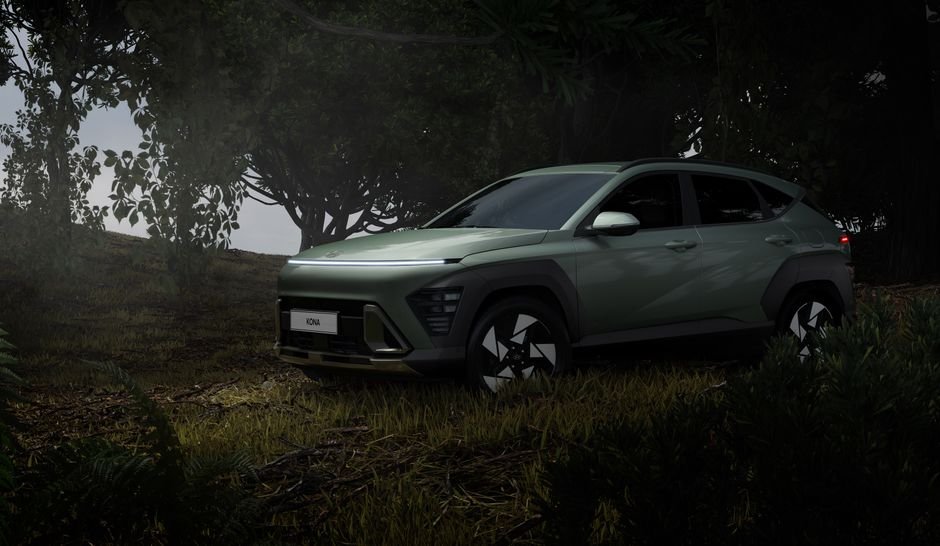
Yes, you can still buy a used Hyundai Kona Electric. But only after you confirm the fix has actually been applied. The Hyundai Kona Electric recall announced this week covers nearly 38,000 vehicles for a software glitch. That glitch can quietly disable the airbags, and that’s not something you want to discover after you’ve signed the paperwork.
Hyundai filed the recall with NHTSA on November 4. It’s a serious one, even though no crashes or injuries have been tied to it yet. The fix is free and already rolling out. But the timeline means plenty of used-car shoppers could cross paths with an affected vehicle before it ever gets fixed.
What exactly is wrong with the Kona Electric?
A software error inside the airbag control unit can trigger a warning light. In some cases, it shuts down the entire airbag system. Hyundai traced the issue to corrupted data in the control unit. In rare cases, a reboot at the wrong moment deactivates the airbags entirely.
The recall splits across two very different cars. Here’s the breakdown:
| Model | Model Years | Units Affected |
|---|---|---|
| Hyundai Kona Electric | 2019–2023 | 29,058 |
| Hyundai Veloster N | 2019–2022 | 8,843 |
| Total | — | 37,901 |
Hyundai estimates that only about 1% of the recalled population actually has the defect. The company has logged 331 unique incidents in the U.S. since it started investigating. No fires, crashes, or injuries have been linked to the condition so far. That’s reassuring. But a 1-in-100 shot at a dead airbag system is still a real number across tens of thousands of cars.
How do you know if a specific used Kona Electric is affected?
Run the car’s VIN through the NHTSA recall lookup tool before you buy, not after. VINs tied to this campaign became searchable on NHTSA.gov on November 6. That search works whether or not you’re the registered owner.
Here’s the catch. Hyundai isn’t mailing owner notification letters until January 1, 2027. That’s almost two months after the recall went public. The gap matters for used-car shoppers, because plenty of sellers genuinely won’t know their car is on the list yet. Don’t rely on a seller’s word. Check the VIN yourself. If you want to talk to Hyundai directly, their recall line is 1-855-371-9460, referencing recall number 311.
Is this the Kona Electric’s first recall?
No, and that history is worth knowing before you buy. The Kona Electric has already been through a battery fire recall tied to its lithium-ion pack. It’s also had a battery management system software fix and an earlier airbag-related campaign. That gives it one of the more recall-heavy track records among early mainstream EVs.
None of that means the car is a lemon. Most of those issues were addressed with free dealer updates, just like this one. But it does mean a used Kona Electric purchase should always include a full recall history check, not just a glance at the current headline. The same logic applies to other EVs with multiple open campaigns, like the vehicles covered in our GM brake recall breakdown for the Lyriq and Blazer EV.
Does the recall change whether the Kona Electric is a good used buy?
Not really, as long as the fix gets applied before you drive it off the lot. The Kona Electric remains one of the more affordable used EVs on the market. Well-equipped 2022–2023 examples typically land in the high-teens to low-$20,000s. That value case hasn’t changed because of a free software patch.
Where it does change things is leverage. A recall that hasn’t been remedied yet is a legitimate reason to ask for a price concession. You could also just walk away until the dealer handles it. If you’re cross-shopping, our guide to used EVs under $25,000 is a good next stop, since battery health matters just as much as recall status on a car this age.
What should a smart shopper do right now?
Treat the recall as a checklist item, not a dealbreaker. Here’s the short version:
- Run the VIN on NHTSA.gov before negotiating price. Don’t wait for a mailed letter that won’t arrive until January.
- Ask the seller or dealer to complete the ACU software update before you take delivery. It’s free and doesn’t require the original factory warranty.
- Pull the full recall history, not just this campaign. The Kona Electric has had battery and software fixes in the past.
- Get an independent battery health check. That’s a bigger long-term cost risk than this particular recall.
For a deeper walkthrough of battery checks, charging quirks, and pricing traps specific to secondhand EVs, our used EV buying guide covers the full process step by step.
FAQ
Is the Hyundai Kona Electric recall dangerous?
It can be serious in the rare case where it occurs, since a disabled airbag system raises injury risk in a crash. Hyundai says only about 1% of recalled vehicles are expected to actually have the defect. No injuries have been reported.
How much does the recall fix cost?
Nothing. Hyundai dealers will install the airbag control unit software update at no charge. Owners who already paid out of pocket for a related repair can seek reimbursement.
Are 2024 and newer Kona Electrics affected?
No. This recall only covers 2019–2023 Kona Electric models. Newer model years aren’t included in this particular campaign.
Should I avoid buying a Kona Electric because of this recall?
Not necessarily. A free software fix for a defect affecting roughly 1% of cars isn’t a reason to skip an otherwise solid, affordable used EV. Just confirm the VIN has been cleared before you buy.