
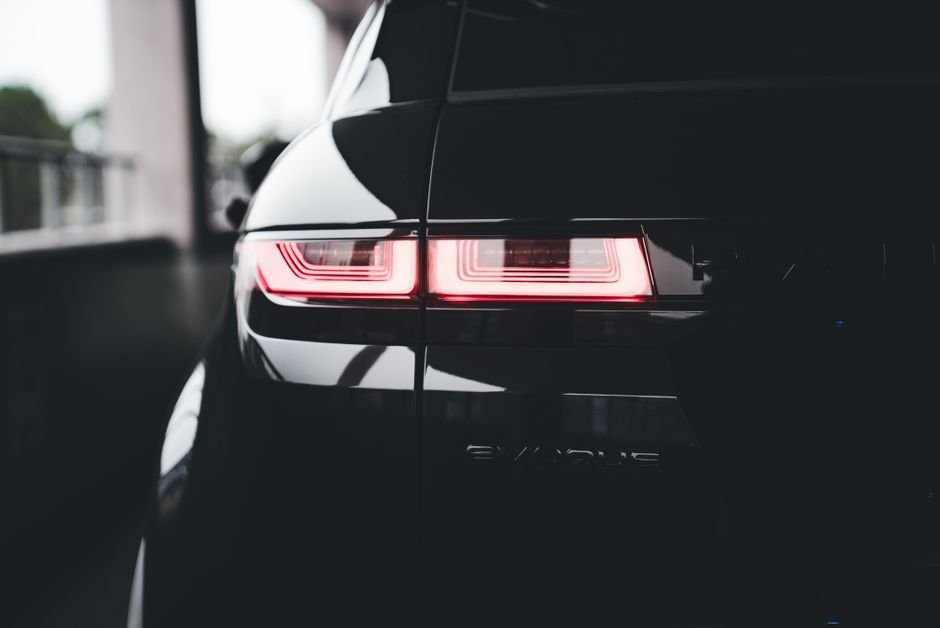
Range Rover just confirmed what shoppers have suspected for a while: the Evoque and Velar are being killed off. Production ends in mid-2027. No replacements are coming. If either SUV has been on your shortlist, the clock is now officially ticking. That changes how you should shop.
Jaguar Land Rover told multiple outlets this week that both SUVs will wind down production in mid-2027. They’ll keep selling in “selected global markets where demand remains strong” through that year as inventory clears. Range Rover’s global managing director, Martin Limpert, confirmed there’s no next-generation Evoque coming. There’s no second-generation Velar either. The brand is moving upmarket, full stop.
Why is Range Rover killing the Evoque and Velar?
Range Rover is dropping its two cheapest models to make the name mean pure luxury again, not an entry point. JLR split Range Rover, Defender, and Discovery into separate standalone brands. That reshuffle frees Range Rover to chase buyers at the top of the market instead of competing on price.
That’s a big strategic reversal. The Evoque arrived back in 2011. It helped Land Rover sell over 140,000 vehicles a year at its peak. At one point it accounted for more than a third of the brand’s global deliveries. The Velar followed in 2017 as a sleeker, pricier stablemate. It shared its aluminum-intensive platform with the Jaguar F-Pace. Both models brought in buyers who couldn’t justify full Range Rover or Range Rover Sport money. Now that job goes away.
What replaces them?
Nothing directly. Instead, Range Rover is funneling everything into a new all-electric Range Rover GT. It’s expected to arrive in 2027 as a road-focused, more car-like flagship. It will be priced well above where the Evoque and Velar currently sit. Meanwhile, the affordable end of the lineup JLR is vacating will reportedly be picked up by a new entry-level Defender Sport. That model won’t wear a Range Rover badge.
- Range Rover GT: New electric flagship, arriving 2027, built on JLR’s electric-first EMA architecture
- Range Rover Sport: Stays in the lineup, starting around $83,700
- Range Rover (full-size): Stays, starting around $107,400
- Defender Sport: New entry-level model expected to inherit the Evoque’s old price territory
Should you buy a Range Rover Evoque or Velar right now?
Yes, if you’ve already decided you want one. Buy before inventory dries up. Prices on remaining stock will likely creep upward. These are the last examples of a design generation that won’t be replaced. That scarcity, paired with brand cachet, tends to help you at trade-in time rather than hurt you.
Right now, both models are already trimmed down to one spec apiece in some markets. The Evoque currently sells only in Hoxton Edition. The Velar sells only in Autobiography trim. That tells you JLR is simplifying the lineup on its way out, not discounting it. It’s actually a decent sign for buyers who want a loaded SUV without digging through a confusing trim ladder.
| Model | Starting Price (US, 2026 MY) | Production Ends |
|---|---|---|
| Range Rover Evoque | $49,900 | Mid-2027 |
| Range Rover Velar | $61,600 | Mid-2027 |
| Range Rover Sport | $83,700 | Continues |
| Range Rover (flagship) | $107,400 | Continues |
Is waiting for the Range Rover GT a better move?
Only if budget isn’t your main concern. The GT is shaping up to be priced closer to the Range Rover Sport, reportedly around £90,000 in the UK. That’s well above where the Evoque and Velar sit today. If you need something in the $50,000-$65,000 range, waiting doesn’t get you a cheaper new Range Rover. It gets you no Range Rover at all.
If you can stretch into that higher bracket and want the latest tech, holding out for the GT makes sense. But for buyers who liked the Evoque and Velar specifically because they were the “affordable” Range Rovers, that door is closing for good.
What about buying used instead?
A used Evoque or Velar is still a smart play. That’s especially true once new-model allocation tightens through 2027. Discontinued models with brand cachet tend to hold up better on the used market. Think of how Land Rover Defenders held value after the original was axed. Cars that get replaced every few years by a fresh redesign usually don’t age as gracefully in value.
If you’re cross-shopping, check whether a certified pre-owned option makes sense here. These are aging platforms with real mileage on them. And if a subframe issue or recall worries you on the Range Rover side generally, read our breakdown of the Range Rover Sport subframe recall before you sign anything.
If your budget tops out under $30,000, a discontinued luxury SUV may not be in the cards. It’s still worth seeing how cheap cars under $30K are moving faster right now. Inventory dynamics are shifting across the board, not just at the luxury end.
My take: buy now if the price fits
I wouldn’t wait on this one. The Evoque at $49,900 and the Velar at $61,600 are genuinely good deals relative to what’s replacing them. Once production winds down in 2027, remaining units will get scarcer and pricier. Buy the SUV you actually want today. Don’t bet on a GT that’s going to cost tens of thousands more.
FAQ
When exactly do the Evoque and Velar stop being made?
JLR says production ends in mid-2027. Both models will keep selling in select markets with strong demand through the rest of that year as dealer stock clears.
Will there be a third-generation Evoque or second-generation Velar?
No. Range Rover’s managing director confirmed directly that neither model will get a new generation. This is a true discontinuation, not a redesign delay.
What’s replacing the Evoque and Velar in the lineup?
Nothing wears the Range Rover badge at their price point going forward. The new Range Rover GT arrives in 2027 priced well above them. An entry-level Defender Sport is expected to cover the affordable territory they’re leaving behind.
Will Evoque and Velar resale values hold up after discontinuation?
Likely yes, at least better than average. Discontinued models with strong brand identity and no direct successor tend to see slower depreciation. That happens once the “last of its kind” narrative kicks in among buyers.