
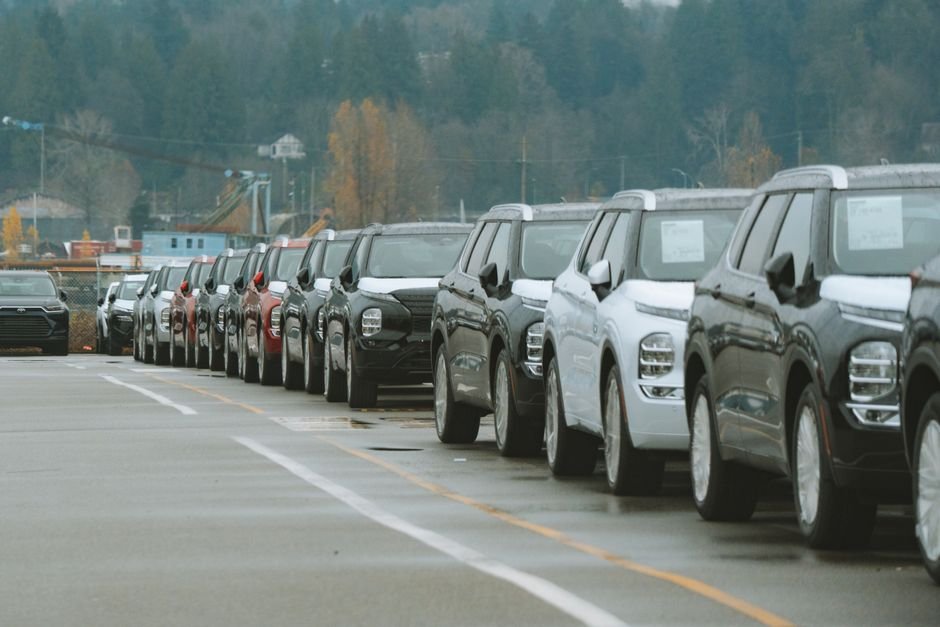
If you’ve been waiting to buy a budget car, stop waiting. Vehicles priced between $20,000 and $29,999 are now selling 20% faster off dealer lots than they were at the start of the year. That’s according to Edmunds data reported by CNBC. It’s the biggest speed-up of any price segment in the entire market. That means the good cars under $30K in your area probably won’t sit around long enough for you to sleep on the decision.
This isn’t a random blip. Buyers squeezed by high interest rates are pivoting hard toward anything affordable. The average new car now costs nearly $50,000. Dealers are noticing their cheapest inventory vanish first.
Why are cars under $30K selling so much faster right now?
Affordability pressure is pushing shoppers down-market. At the same time, there aren’t many cheap new cars left to absorb that demand. Automakers have spent years trimming low-margin, budget-friendly trims. They’ve favored pricier SUVs and trucks instead. So the few remaining bargains move fast once they hit the lot.
The numbers tell the story clearly. Vehicles priced $30,000 to $39,999 sold about 18% faster over the same stretch. The $40,000-$49,999 tier improved nearly 12%. Anything over $50,000 actually got slower to sell, taking more than 60 days on average. Sub-$30K cars moved in under 60 days. The cheapest trims moved quickest of all.
| Price Segment | Change in Days-to-Sell (Q1 to Q3 2026) | Average Time on Lot |
|---|---|---|
| $20,000–$29,999 | Down 20% | Under 60 days |
| $30,000–$39,999 | Down ~18% | Under 60 days |
| $40,000–$49,999 | Down ~12% | Under 60 days |
| $50,000+ | Slower, not faster | Over 60 days |
Here’s the twist, though. Faster turnover doesn’t mean more cars are selling overall. Compact car sales are actually down roughly 4% since January. Compact SUVs have dropped nearly 8%, according to Cox Automotive data cited in the same CNBC report. Translation: supply is so tight that even reduced demand still clears the lot quickly.
Which cars under $30K are actually worth grabbing?
Stick to models with strong reliability records and real resale value. A cheap car that falls apart or depreciates fast isn’t actually a deal. Right now that shortlist includes a handful of proven sedans and a couple of surprisingly good small SUVs.
- Honda Civic LX/Sport — starts around $25,000; sharp handling and strong resale make it a perennial favorite.
- Toyota Corolla — starts near $23,000, with a hybrid trim that still slides in under $30K for excellent fuel economy.
- Hyundai Elantra — starts around $20,000-$23,000; the hybrid version adds efficiency without blowing the budget.
- Kia K4 — a newer nameplate priced from roughly $24,000, already earning praise as a value pick.
- Subaru Impreza — one of the few sub-$30K cars with standard all-wheel drive, starting around $27,800.
- Kia Seltos — a compact SUV starting near $24,900 that still fits comfortably under the cap.
Of these, I’d point most shoppers toward the Corolla or Civic first. Both have decades of reliability data behind them. They hold value better than almost anything else in this price range. They also still show up in plentiful enough supply that you have trim and color options.
Is now really the time to buy, or should you wait?
Buy now if you need a car this year. Inventory at the bottom of the market is thin and getting thinner. Nothing in current market data suggests more affordable models are coming to replace the ones automakers have discontinued or shifted upmarket.
September 2026 data shows vehicles under $40,000 made up only about 31% of total new-car inventory. Sub-$30K vehicles had just 63 days’ supply on hand nationally. Compare that to 91 days for vehicles in the $50,000-$60,000 range. That’s a meaningfully tighter cushion. It’s exactly why these cars under $30K are flying off lots. If you find the trim and color you want, don’t assume a better deal is coming next month. The trend points the other way.
If your budget flexes a little higher, it’s also worth comparing new versus a certified pre-owned option. We break down whether that premium pays off in our piece on whether CPO cars are worth the extra cost. And if financing terms are part of what’s pushing you toward a cheaper car in the first place, it’s worth reading about how record-length car loans are reshaping what “affordable” really means on a monthly payment basis.
What about EVs under $30K?
Gas-powered compacts dominate this price tier. But a few electric options are creeping into range too, especially used. If you’re cross-shopping electric, our used EV buying guide walks through which models hold their value and battery health well enough to be worth it at this price point.
For most budget-focused shoppers, though, a reliable gas or hybrid compact remains the safer, faster-to-find bet in late 2026.
FAQ
Why are cheaper cars selling faster than expensive ones right now?
Tight inventory and affordability pressure are colliding. Automakers have cut back on budget trims. So when a cheap car lands on a lot, buyers who can’t stretch for a $50,000 average transaction price snap it up fast.
Does faster selling mean prices are going up on cheap cars?
Not directly, but it does mean less room to negotiate. Dealers have little incentive to discount a car that’s going to sell in two or three weeks anyway.
Are there still good new SUVs under $30,000?
Yes, though options are limited. The Kia Seltos and Subaru Crosstrek’s lower trims both land under or right around the $30,000 mark with solid reliability reputations.
Should I buy used instead of waiting for new inventory to restock?
If you need a car soon, a well-reviewed used compact is often a smart alternative. New sub-$30K inventory isn’t expected to loosen up anytime soon based on current production trends.