
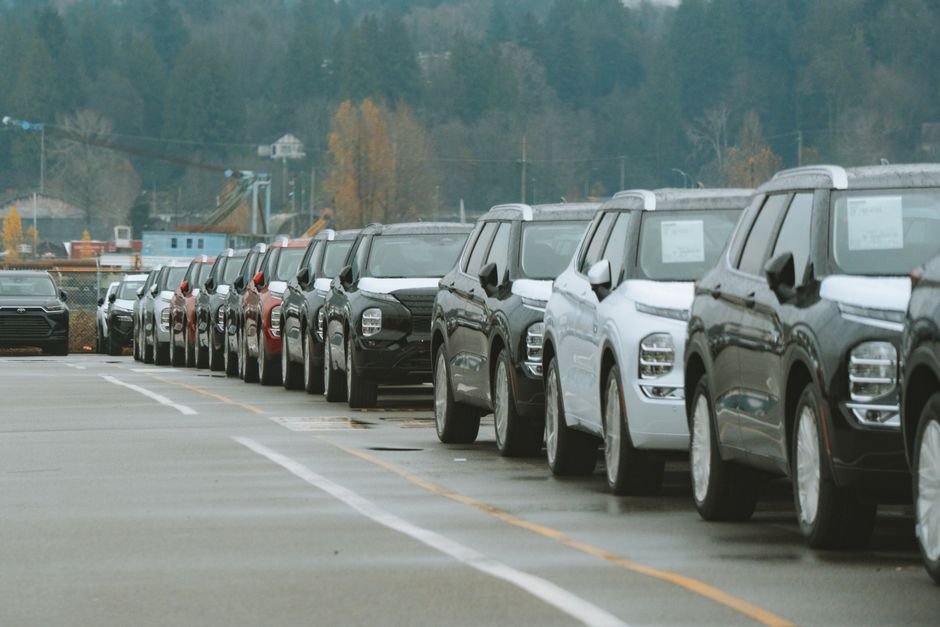
The average used car now costs $30,166, according to J.D. Power. That’s up $860 from a year ago. But here’s the twist: new cars are still nearly $20,000 more expensive on average. Used remains the smarter buy for most shoppers. Just not by the margin it used to be.
The gap between new and used has been the entire logic behind buying used for decades. That gap is shrinking. It’s worth understanding exactly why before you sign anything.
How high have used car prices actually gotten?
Used car prices sit around $30,000 on average right now. That’s roughly $3,000 to $4,000 higher than typical listing-price trackers show, because that figure reflects actual transaction prices rather than sticker prices. Either way, the direction is the same: up.
Kelley Blue Book and Cox Automotive data has used listings closer to $26,300. Three-year-old used vehicles specifically are running about $31,500. The spread depends heavily on age and mileage. A 2023 model with 30,000 miles costs a lot more than a 2018 with 90,000 on the clock.
Tight supply is a big part of the story. Dealers ended April with a 43-day supply of used inventory. That’s an improvement from a near-record low of 37 days at the end of March, but still lean by historical standards.
Is new actually cheaper than people think?
No — new cars still cost far more than used ones on average. But the gap has narrowed enough that it’s worth running your own numbers instead of assuming used automatically wins. New vehicle transaction prices have been sitting near $49,000 to $50,000 all year.
Kelley Blue Book put the average new-vehicle transaction price at $49,855 in July 2026, a yearly high. Sticker prices (MSRP) have stayed above $50,000 for eleven straight months. That’s not a blip. It’s the longest stretch of $50K-plus average pricing on record. We covered the moment new cars first crossed that line in New Car Prices Just Broke $50,000—Wait Until December?, and the trend hasn’t reversed since.
| Metric | New Vehicle | Used Vehicle |
|---|---|---|
| Average transaction price | ~$49,000–$49,900 | ~$26,300–$30,200 |
| Average monthly payment | ~$767–$772 | Roughly $150–$200 less |
| Compact SUV segment average | ~$37,055 | Notably lower |
| Full-size pickup average | ~$65,964 | Notably lower |
| Share of buyers paying $1,000+/month | ~20.3% | ~6% |
Why did used car prices climb so much this year?
Used prices climbed because near-new used vehicles got scooped up fast. That tightened supply right as more buyers got priced out of new. Sales of 2024-or-newer used vehicles jumped roughly 24% in the first quarter of 2026 compared with the same period a year earlier. Sub-$30,000 used vehicles moved fastest of all.
That tells you affordability, not preference, is steering the market. Shoppers aren’t chasing used cars because they love the idea of someone else’s mileage. They’re chasing them because new cars have become a stretch for a growing share of households.
So which should you actually buy — new or used?
Buy a 3-to-5-year-old used vehicle if your goal is minimizing total cost. It still wins on financing, insurance, and depreciation, even after this year’s price jump. Buy new only if you’re getting a strong incentive, need the latest safety tech, or plan to keep the car past the point where a used one would need major repairs.
The math still favors used because depreciation hits hardest in a car’s first three years. A car that already absorbed that hit is in a better financial position than one that’s about to take it. If you’re weighing a lease instead of either option, our breakdown of September 2026 lease deals walks through when a lease actually beats buying used.
One wrinkle worth flagging: nearly 1 in 3 trade-ins right now involve owners who owe more than the car is worth. The average underwater amount just hit a record high. If that’s you, sell your current car separately before shopping. Don’t roll negative equity into a new loan — that mistake follows you for years.
Where certified pre-owned and EVs fit in
Want new-car peace of mind without the new-car price? A certified pre-owned vehicle is worth a look. Though we’ve noted that CPO sales are sinking in 2026 as buyers chase cheaper non-certified used inventory instead. And if you’re open to going electric, used EV prices now roughly match used gas car prices. That changes the math significantly. For a deeper dive into whether an EV fits your situation at all, see our full decision framework for buying an EV in 2026.
My take: unless you’ve got a strong 0% financing offer or a genuine need for the newest safety features, a 3-year-old used vehicle is still where your money goes furthest in 2026. The Kelley Blue Book data on used pricing trends backs that up. Supply is loosening. That should ease prices further into next year.
FAQ
Why did used car prices jump so much this year?
Strong demand for near-new used vehicles combined with still-tight inventory pushed prices up. Buyers priced out of the new market shifted their search toward affordable used options instead.
Is it still cheaper to buy used than new right now?
Yes. Even at $30,000 on average, used vehicles cost roughly $19,000 to $20,000 less than the average new vehicle. That gap holds up across financing, insurance, and depreciation.
Will used car prices come down soon?
Possibly. Dealer used-car inventory has been rebuilding after a near-record low. More supply typically pulls prices down, though the timeline depends on how quickly off-lease and trade-in volume recovers.
Should I wait to buy or shop now?
If you need a car soon, don’t gamble on a future price drop that isn’t guaranteed. Shop the 3-to-5-year-old segment now. Negotiate hard on the out-the-door price, and avoid rolling negative equity into any new loan.