
Car shaking when you brake almost always points to warped brake rotors, worn-out brake pads, or a suspension component that’s loose or failing. The vibration you feel through the steering wheel or brake pedal is a direct warning sign, and ignoring it can turn a $150 repair into a $700 one.
This guide breaks down every common cause, how to tell them apart, and what each fix actually costs. If your steering wheel shakes only when you brake, or the whole car shudders at highway speeds when you slow down, you’ll find the answer below.
The Most Common Cause: Warped Brake Rotors
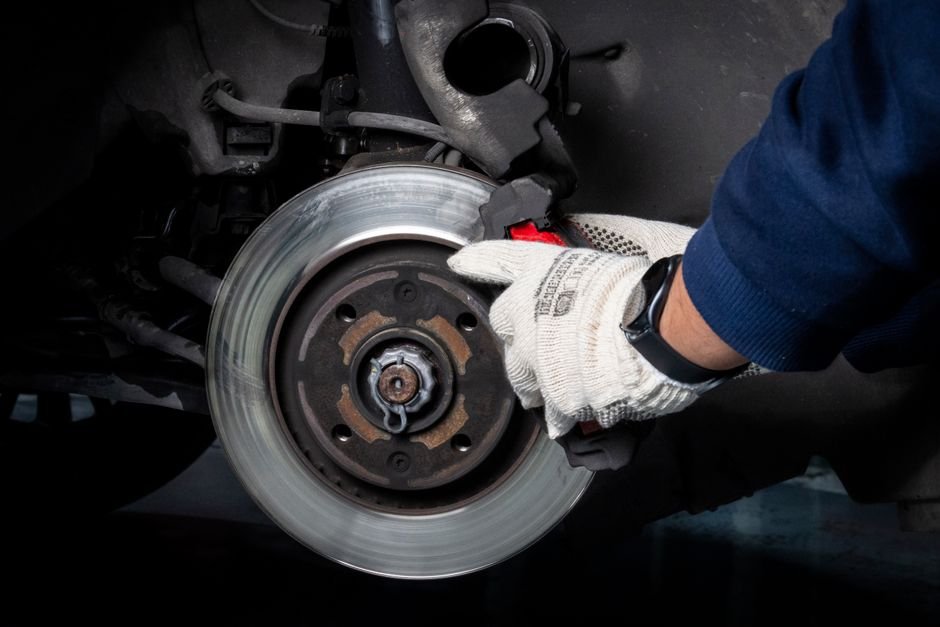
Warped or unevenly worn brake rotors cause roughly 70% of brake-related shaking complaints. When rotors heat up unevenly from hard braking or sit for long periods after getting wet, they develop high and low spots that pulse against the brake pads.
That pulsing is what you feel as a rhythmic shake in the steering wheel or through the brake pedal itself. It typically gets worse the harder you press the brakes and at higher speeds.
How to Confirm It’s the Rotors
- Shaking increases in intensity the harder you brake
- You feel a pulsation specifically in the steering wheel, not the whole cabin
- The car drives smoothly with no vibration when you’re not braking
- You can sometimes see grooves or discoloration on the rotor surface through the wheel spokes
Worn or Uneven Brake Pads
Brake pads that wear down unevenly or have debris embedded in the friction material can also cause a shaking or grinding sensation. This is more common on vehicles that haven’t had a routine maintenance check in a while.
Unlike warped rotors, worn pads often come with a grinding or squealing noise alongside the vibration. If you hear metal-on-metal contact, stop driving and get it inspected immediately—the pads may be gone entirely.
Suspension and Steering Problems
Not every brake-related shake originates at the brakes. Worn ball joints, tie rod ends, or bad wheel bearings can mimic the same symptoms, especially at lower speeds.
A key difference: suspension-related shaking often continues even when you’re not braking, particularly over bumps or during turns. Brake-specific shaking tends to disappear completely once you release the pedal.
Warped Rotors vs. Bad Suspension: Quick Comparison
| Symptom | Warped Rotors | Suspension Issue |
|---|---|---|
| Shaking only while braking | Yes | Sometimes |
| Shaking over bumps (no braking) | No | Yes |
| Worsens with speed | Yes | Yes |
| Noise present | Rare | Clunking/creaking common |
| Average repair cost | $150–$400 | $200–$700 |
Other Less Common Causes
A handful of other issues can produce similar symptoms, and a mechanic will usually check these if the rotors and pads look fine.
- Stuck brake caliper: A caliper that doesn’t release fully causes uneven braking force and pulling to one side.
- Loose wheel lug nuts: Often overlooked after a tire rotation, this causes a wobble that intensifies with braking.
- Unbalanced or damaged tires: A tire with a bulge or bent wheel can amplify vibration specifically under braking load.
- Warped brake drums: On older vehicles or trucks with rear drum brakes, drums warp the same way rotors do.
What Fixing It Typically Costs
Repair costs vary by vehicle, but here’s a realistic breakdown based on common shop estimates in 2026.
| Repair | Estimated Cost (Parts + Labor) |
|---|---|
| Rotor resurfacing (per axle) | $100–$180 |
| Rotor replacement (per axle) | $200–$400 |
| Brake pad replacement (per axle) | $150–$300 |
| Wheel bearing replacement | $250–$500 per wheel |
| Tie rod end replacement | $150–$300 per side |
| Tire balancing | $50–$80 (all four) |
Should You Keep Driving With a Shaking Brake Pedal?
Mild shaking that appears only at high speeds under hard braking is a warning, not an emergency—but it shouldn’t be ignored for more than a week or two. If the shaking is severe, accompanied by grinding, or the brake pedal feels soft or sinks toward the floor, stop driving and have it towed to a shop.
Worn brakes and suspension problems compound quickly. A rotor that’s slightly warped today can crack under continued heat cycling, turning a simple resurfacing job into a full rotor and caliper replacement.
How to Prevent Brake Shaking in the Future
- Avoid riding the brakes on long downhill stretches; use engine braking instead
- Don’t let hot rotors sit in water (like driving through a puddle right after hard braking)
- Rotate tires and inspect brake pads every 5,000–7,500 miles
- Have wheel bearings and suspension components checked during routine service visits
- Replace rotors and pads together as a set rather than mixing old and new
Staying ahead of small issues also matters if you’re weighing whether to keep a car long-term. If your vehicle is already racking up repair bills, it might be worth reviewing guides like used car versus certified pre-owned buying advice before deciding what to do next. And if unrelated dashboard warnings pop up around the same time, our breakdown of a check engine light staying on while the car runs fine covers a similar diagnose-before-you-panic approach.
Frequently Asked Questions
Why does my car shake only at high speeds when braking?
High-speed shaking that disappears at low speeds is the classic sign of warped rotors. The uneven rotor surface creates more friction variance the faster the wheel spins, so the pulsation becomes more noticeable above 40-50 mph.
Can bad tires cause shaking when I brake?
Yes. A tire with an internal belt separation, bulge, or significant imbalance can cause vibration that gets worse specifically under braking load, since braking shifts weight forward and changes tire contact pressure. Rule out rotors first, then check tire condition and balance.
Is it safe to drive with a shaking brake pedal for a few days?
Short-term driving at reduced speeds is generally survivable, but you’re risking accelerated wear on calipers, pads, and wheel bearings. If the shaking worsens quickly or the pedal feels spongy, get it inspected within 24-48 hours rather than waiting.