
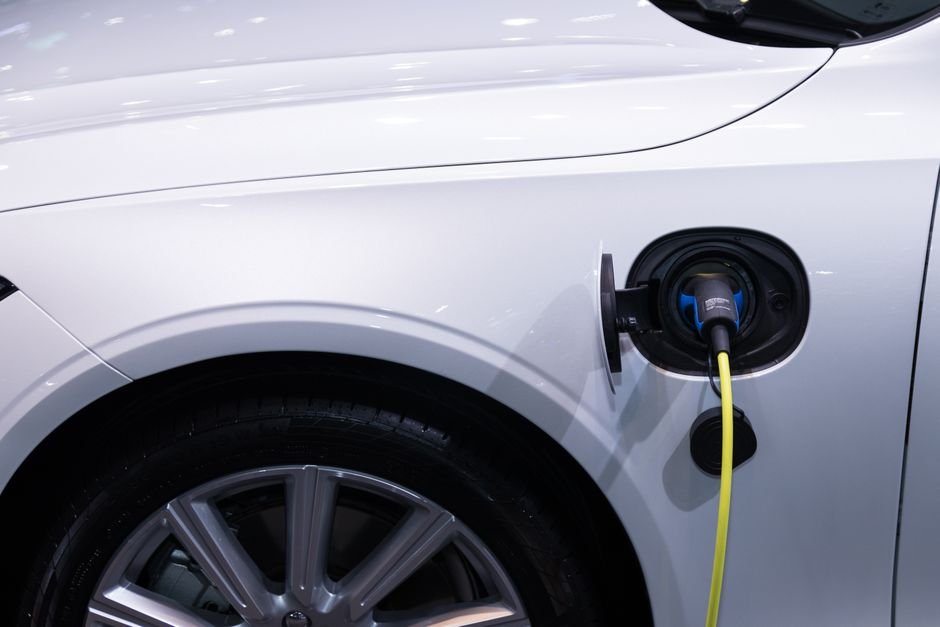
If you’re stuck deciding between hybrid or EV in 2026, the sales numbers make the answer pretty clear for most shoppers. Buy the hybrid. Hybrid vehicles captured nearly 16% of new-vehicle retail sales in mid-2026, more than double the roughly 7% share going to fully electric cars. That doesn’t mean EVs are a bad choice for everyone. But it does mean the market has voted, and hybrids won by a landslide.
Why are hybrids outselling EVs so heavily right now?
Hybrids are winning because they ask nothing new of the driver. You still save real money at the pump, with no lifestyle changes required. They also got a lot cheaper to justify once the federal EV tax credit disappeared. EVs, meanwhile, lost their biggest financial incentive. And they still cost more upfront than most gas or hybrid alternatives.
The federal $7,500 EV tax credit expired on September 30, 2025. The fallout showed up almost immediately in the sales charts. Hybrid sales grew roughly 9% in the first half of 2026, even as overall new-car sales slipped. New EV sales fell sharply before stabilizing somewhat by the second quarter. Hybrids reached a record 16% of light-duty vehicle sales in the second quarter of 2026, according to the U.S. Energy Information Administration. Battery-electric sales slid to just 6% over that same stretch.
Part of the story is simple economics. The average transaction price gap between EVs and gas-powered vehicles sat around $6,200 in early 2026, according to Cox Automotive data. That gap is much harder to justify without the tax credit softening the blow. Hybrids, on the other hand, cost only a little more than their gas counterparts. They pay that difference back through fuel savings, no behavior change required.
Is this just a blip, or a real shift?
This looks like a genuine, longer-term shift rather than a short-term dip. Industry forecasters now expect hybrids to keep climbing toward roughly a third of all passenger vehicle sales within the next decade. That’s a mainstream default, not a bridge technology.
Automakers are reinforcing that shift with their own product decisions. Some major nameplates now skip the gas-only version entirely. Toyota’s RAV4 and Camry, and Jeep’s reborn Cherokee, are sold only as hybrids for the current model year, according to Kelley Blue Book. When a brand drops the gas-only option altogether, it tells you where demand is actually heading.
Does that mean you should skip EVs entirely?
Not necessarily. EVs still make sense if you can charge at home, drive predictable routes, and want the lowest running costs over time. The used EV market in particular has become a genuinely good deal. Prices are falling fast as off-lease vehicles flood dealer lots.
Used EV sales jumped nearly 28% year over year in early 2026. A large share of those used electrics now sell for under $25,000. If you’ve been eyeing something like the Chevy Bolt or Nissan Leaf, this is arguably the best window in years to buy one used rather than new.
Hybrid vs. EV: quick comparison for 2026 shoppers
| Factor | Hybrid | EV |
|---|---|---|
| 2026 retail sales share (new) | ~16% | ~6-7% |
| Year-over-year growth | Up ~9-26% | Down ~20% YoY (improving) |
| Upfront price vs. gas car | Slightly higher | Roughly $6,200 higher on average |
| Charging/fueling | Regular gas stations | Home charger or public network |
| Best fit | Most drivers, no lifestyle change needed | Home-charging households, short commutes |
What should you actually buy?
For most shoppers without a home charger or a short commute, a hybrid is the smarter buy right now. It’s cheaper to own and easier to live with. It’s also backed by a wave of new hybrid-only models from major brands. If you already have EV-friendly circumstances, a used EV is worth serious consideration given how far prices have dropped. For a deeper look at what’s happening to EV pricing, check out our piece on shrinking EV discounts and growing gas car deals.
Plug-in hybrids sit in an odd middle spot worth a mention. Their sales actually fell too in 2026. That’s likely because they lost credit eligibility without gaining the simplicity hybrids offer. We cover whether they’re still worth it in our plug-in hybrid deep dive.
FAQ
Why did EV sales drop so much in 2026?
The main driver was the expiration of the federal $7,500 EV tax credit on September 30, 2025. That removed a major financial incentive right as EV prices remained higher than gas or hybrid alternatives.
Are hybrids actually cheaper to own than EVs?
Hybrids typically cost less upfront than EVs and skip the need for home charging equipment. EVs can still win on fuel costs over time if you charge mostly at home on cheap electricity.
Is now a good time to buy a used EV?
Yes. Used EV prices have dropped significantly as off-lease vehicles hit the market. Sales are up nearly 28% year over year, and many models now sell for under $25,000.
Most industry forecasts expect hybrids to keep growing for at least the next several years. Some projections put their share near a third of all new vehicle sales by the mid-2030s.