
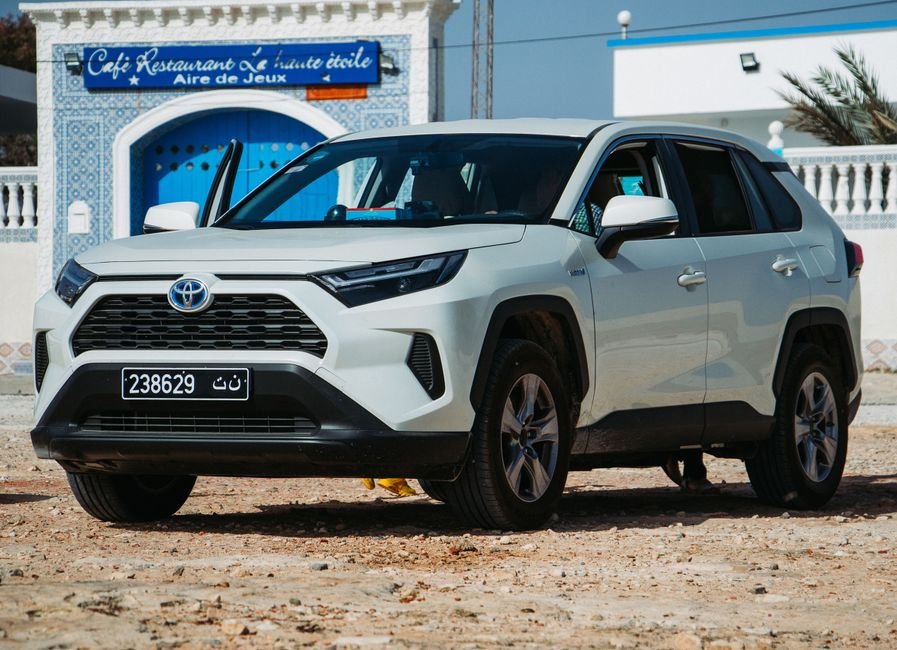
A software glitch in Toyota’s brand-new electric SUV can overcharge the battery. It can also cut power while you’re driving. Roughly 10,000 owners are about to find out if their car is affected. The Toyota C-HR EV recall is the first real black mark on a vehicle that just landed in dealerships this spring. That raises a fair question: does a power-loss recall on a car this new mean you should walk away? Or is this just normal first-year growing pains?
Here’s the short version: this is a fixable software problem. It’s not a battery replacement or fire risk. Toyota also has a track record of clearing these issues quickly. I still think the C-HR is worth cross-shopping. But you should wait for the fix before you drive one home.
What exactly is wrong with the Toyota C-HR EV?
The issue traces back to the regenerative braking system. That system is supposed to feed energy back into the battery every time you slow down. Under certain conditions, a software bug lets regen braking push the battery past its safe charge limit.
Toyota explained the chain reaction plainly: “Under certain conditions when the battery has a high level of charge, regenerative braking can cause the battery to become overcharged due to a software issue”. If that happens, the electric drive system can shut itself down mid-drive. That’s obviously more alarming at highway speed than in a parking lot.
How many cars are affected, and when will owners hear from Toyota?
The Toyota C-HR EV recall covers about 10,000 vehicles from the 2026 model year. That’s essentially the entire early production run of the car. Toyota isn’t rushing the fix out the door, either. Owner notifications aren’t scheduled to go out until early November.
That’s a notably slow rollout for a recall involving a loss of power. Until then, affected owners are stuck relying on customer service for details. A dealer visit isn’t yet an option for most.
- Vehicles affected: approximately 10,000 units of the 2026 C-HR EV
- Cause: software bug in the Battery Electric Vehicle Electronic Control Unit tied to regenerative braking
- Risk: sudden loss of motive power while driving, increasing crash risk at higher speeds
- Fix: a dealer-applied software update, free of charge
- Notification timeline: letters go out to owners starting early November 2026
Is a software recall actually a big deal?
Yes and no. It’s serious enough that NHTSA and Toyota both flagged the crash risk. But it’s about as easy to fix as recalls get. It’s a software flash, not a hardware swap. That combination makes it worrying short-term but reassuring for future buyers.
This isn’t Toyota’s first EV software stumble this year, either. The related bZ crossover faced a similar power-loss recall not long ago. We covered that in our Toyota bZ recall breakdown. Toyota also dealt with a much larger software recall on the Camry involving blank driver displays. So this isn’t an isolated slip. It’s part of a pattern as Toyota leans harder on software, with mixed early results.
Should you still buy a Toyota C-HR EV right now?
If you’re set on a C-HR, buy one. Just make sure the dealer confirms the software update has already been applied. There’s no reason to pay full price for a car with a known, unresolved defect. The fix is coming anyway, so let it land first.
The C-HR itself is a genuinely appealing package on paper. It starts around $37,000. It packs 338 horsepower from a standard dual-motor all-wheel-drive setup. Toyota rates the SE trim for up to 287 miles of range. It also charges on the NACS plug. That gives it access to Tesla’s Supercharger network without an adapter.
| Spec | 2026 Toyota C-HR EV |
|---|---|
| Starting MSRP | $37,000 (SE), $39,000 (XSE) |
| Horsepower | 338 hp, dual-motor AWD |
| EPA range | Up to 287 miles (SE) |
| Battery | 74.7 kWh |
| 0-60 mph | 4.9 seconds (manufacturer estimate) |
| Charging | NACS port, 10-80% in about 30 minutes |
That said, cross-shop before you commit. If you’re not locked into the C-HR nameplate, look at the Chevy Equinox EV, Hyundai Ioniq 5, or Toyota bZ. All land in a similar price range with fewer open recalls right now. Want a bigger-picture gut-check first? Our EV buying framework for 2026 walks through the math beyond any one model’s recall history.
What should current C-HR EV owners do in the meantime?
If you already own a 2026 C-HR EV, don’t wait for the mail. Call Toyota directly using the number in the recall notice. Confirm whether your VIN is included now, rather than waiting until November.
Pay attention to any dashboard warnings. Watch for unusual behavior from the regen braking, especially on long downhill stretches. This matters most during highway driving with a nearly full battery. If the car ever loses power unexpectedly, pull over safely. Then contact Toyota roadside assistance.
FAQ
Is the Toyota C-HR EV recall a fire risk?
No. Unlike some EV battery recalls involving fire risk, this one is specifically about a software bug causing overcharging. That bug can shut down the drive system, but it isn’t a combustion issue.
Do I need to pay for the recall repair?
No. Toyota is handling the fix at no cost. It’s a software update to the Battery Electric Vehicle Electronic Control Unit, and it’s free for all affected owners.
How do I check if my C-HR is included in the recall?
Enter your 17-character VIN at NHTSA.gov or Toyota.com/recall once the recall is officially published. You can also call Toyota customer service directly for early confirmation.
Is this Toyota’s only EV recall this year?
No. The Toyota bZ faced a similar power-loss software recall earlier this year. Toyota has also issued other software-related recalls across its lineup, including a large one affecting Camry sedans.