
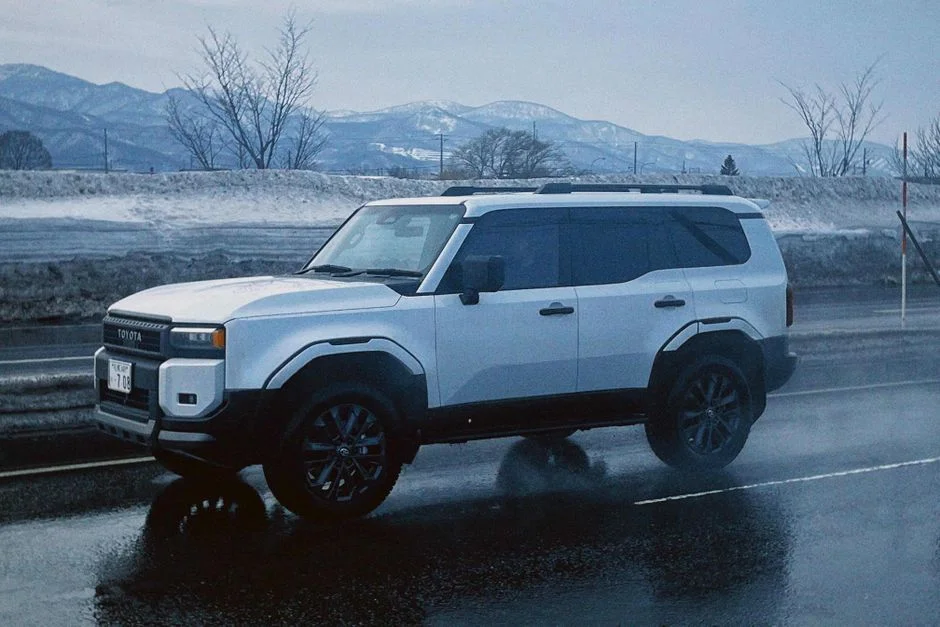
Toyota’s newest electric SUV can lose power without warning. Nearly 21,000 of them need a fix. The Toyota bZ recall covers 20,991 vehicles built for the 2026 model year. It’s not an isolated Toyota problem, either — the same software defect hits the mechanically identical Lexus RZ and Subaru Solterra too.
If you already own one of these EVs, or you’re shopping for one, here’s what actually happened. We’ll cover how serious it is, and whether the bZ is still worth your money.
What exactly triggered the Toyota bZ recall?
The Toyota bZ recall stems from a software glitch in the high-voltage battery’s electronic control unit. It can cause the entire electric drive system to shut down mid-drive. Steering and brakes still work, but you lose propulsion, which is dangerous at highway speed and raises real crash risk.
According to Toyota’s filing, the control unit contains two chips. They can accidentally overwrite each other’s data in the same memory spot, causing a momentary failure. Enough failures, and the drive system shuts itself off entirely. Toyota says it first noticed the pattern during development testing of a separate plug-in hybrid. It then found the same issue lurking in remote diagnostic data from bZ, RZ, and Solterra vehicles already on the road.
Which vehicles are affected, and by how much?
The recall spans three brands built on Toyota’s shared e-TNGA electric platform. Here’s the breakdown:
| Vehicle | Units affected | Production window |
|---|---|---|
| 2026 Toyota bZ | 11,495 | June 2, 2025 – April 9, 2026 |
| 2026 Lexus RZ | 4,739 | April 24, 2025 – January 20, 2026 |
| 2026 Subaru Solterra | 4,757 | September 17, 2025 – April 13, 2026 |
Toyota estimates that 100% of vehicles built in these windows carry the flawed software. Not every one of them made it to a U.S. driveway, though. The automaker also issued a similar recall in Japan covering nearly 4,800 vehicles. Australia flagged over 1,100 more.
How does Toyota plan to fix it?
Dealers will update the battery ECU software free of charge. But this isn’t a quick over-the-air patch — owners have to bring the car in. Toyota planned to start notifying owners in early-to-mid August 2026. If you haven’t heard from Toyota yet, check your VIN directly.
That’s a meaningful inconvenience compared to Tesla-style wireless fixes. Still, the repair itself is straightforward once parts and scheduling line up. You can check recall status anytime at Toyota’s official recall announcement or through NHTSA’s VIN lookup tool.
Is this the bZ’s first recall, or part of a pattern?
This isn’t the first rodeo for Toyota’s e-TNGA electric trio. That history matters when you’re judging how seriously to take this latest one. The bZ4X (renamed bZ for 2026) launched in 2022 with a genuinely alarming wheel-hub bolt recall. That one could let a wheel detach while driving.
Since then, owners have dealt with HVAC control unit issues that could kill the defroster in cold weather. There were also parking-assist software glitches. Now there’s this battery ECU fault. Last year alone, Toyota recalled over 94,000 bZ4X, RZ, and Solterra models in the U.S. just for the heating system. That’s a lot of recall notices for a nameplate that’s only a few years old. It puts the bZ in the same conversation as other EVs we’ve covered, like the Mustang Mach-E’s four recalls in a year or the Kia EV9’s seven recalls.
Should you still buy a Toyota bZ?
Yes, but with a plan. The 2026 bZ is a genuinely improved car. It has longer range, a NACS charge port for Supercharger access, and enough demand to rank as the third-best-selling EV in the U.S. early in 2026, behind the Model Y and Model 3. This recall is a software fix, not a structural defect. Toyota caught it before any confirmed crashes or injuries were reported.
What you shouldn’t do is assume “it’s a Toyota, it’ll be fine” and skip the paperwork. Confirm the recall has been completed before you sign for a new or lightly used bZ, RZ, or Solterra. Don’t drive off a lot until a dealer verifies the software update is installed. If you’re weighing an EV purchase more broadly, our full EV buying decision framework walks through how to weigh recalls against range, charging, and total cost before you commit.
Toyota’s slow, cautious approach to EVs has its downsides. Charging curves can feel clunky, and range estimates run conservative. But it also means the company isn’t shy about recalling cars the moment it finds a problem, rather than waiting for owners to get hurt. That’s not nothing. Compare that to how Toyota handled its 508,000-vehicle Camry recall: quick disclosure, free fix, minimal drama. The bZ recall looks like more of the same playbook.
FAQ
How do I know if my Toyota bZ is part of the recall?
Check your 17-digit VIN on NHTSA’s recall lookup site or Toyota’s owner portal. Toyota began mailing notification letters in early-to-mid August 2026, so you may also get a letter directly.
Is it safe to drive my bZ while waiting for the recall fix?
Toyota hasn’t told owners to stop driving, unlike the earlier wheel-hub recall. Steering and braking remain functional even if the fault occurs. Still, schedule the dealer update as soon as it’s available rather than delay.
Does this recall affect the Lexus RZ and Subaru Solterra too?
Yes. All three share the same battery ECU and software. The recall covers 2026 Lexus RZ and Subaru Solterra models alongside the Toyota bZ, with roughly 4,700-plus units affected in each case.
Will this recall hurt Toyota bZ resale value?
Probably not much, especially once the fix is documented in the vehicle history. Software-based recalls with free, dealer-completed remedies tend to have a smaller impact on resale than structural or fire-risk recalls.