
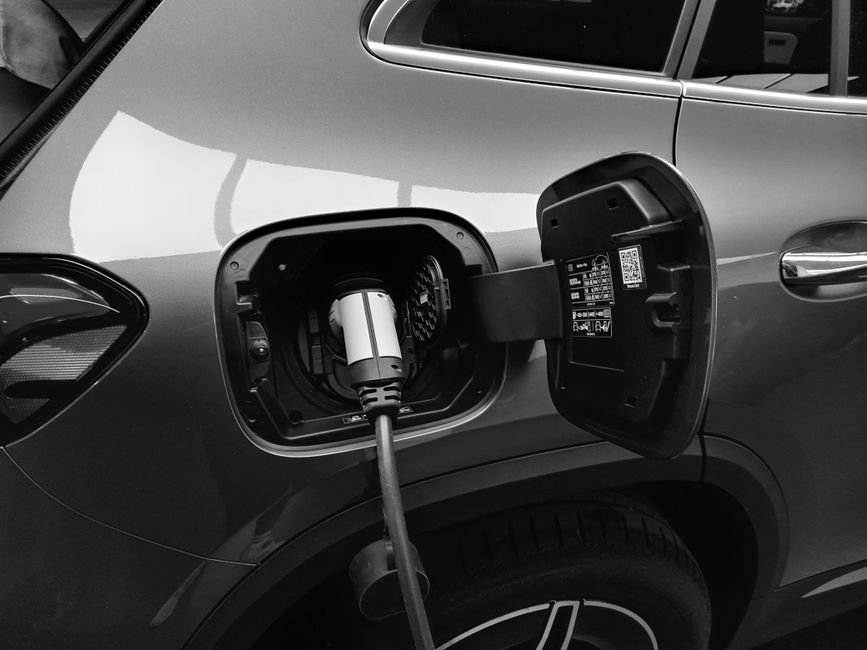
The 2026 Toyota RAV4 Plug-In Hybrid starts at $42,920. The base RAV4 Hybrid starts at $33,350. That’s a $9,570 gap, and for most shoppers, the regular hybrid is the smarter buy.
Is the RAV4 Plug-In Hybrid worth $9,570 more than the Hybrid?
For most drivers, no. Unless you can plug in daily and your commute fits inside the PHEV’s electric range, you’re paying nearly $10,000 for capability you’ll rarely use. The math only flips if you have a driveway, a charger, and a short daily drive.
Toyota redesigned the entire RAV4 lineup for 2026. It dropped the gas-only engine entirely, so now every RAV4 is electrified in some form. The question isn’t hybrid versus gas anymore. It’s whether the plug adds enough value to justify the price jump.
What do you actually get for the extra money?
The Plug-In Hybrid brings a much bigger battery, standard all-wheel drive, and a serious power bump. It’s genuinely quicker and quieter around town than the standard hybrid. That advantage fades once the gas engine kicks in.
The base RAV4 Hybrid makes 226 horsepower in front-wheel drive. All-wheel-drive versions bump that to 236 horsepower. The Plug-In Hybrid makes 324 horsepower across every trim. Toyota quotes a 0-60 mph time around 5.4 seconds, which is genuinely quick for a compact SUV.
Here’s how the lineup breaks down by trim:
| Model / Trim | Starting Price | Horsepower | Combined MPG (hybrid mode) | Electric-Only Range |
|---|---|---|---|---|
| RAV4 Hybrid LE (FWD) | $33,350 | 226 hp | up to 44 mpg | N/A |
| RAV4 Hybrid Limited (AWD) | $44,750 | 236 hp | ~41 mpg | N/A |
| RAV4 Plug-In Hybrid SE | $42,920 | 324 hp | 41 mpg | up to 54 miles |
| RAV4 Plug-In Hybrid Woodland | $46,720 | 324 hp | 38 mpg | 49 miles |
| RAV4 Plug-In Hybrid GR Sport | $49,920 | 324 hp | 37 mpg | 48 miles |
Notice the pattern. The more rugged or sporty the PHEV trim, the lower the electric range and mpg get. If efficiency is your main goal, stick with the base SE.
Does the PHEV actually save you money at the pump?
Only if you plug in constantly. The RAV4 PHEV is rated at 107 MPGe on electricity and 41 mpg once the battery runs dry. A driver who never charges it is just carrying around a heavier, more expensive hybrid.
The RAV4 Hybrid’s own fuel economy is already excellent. It tops out near 44 mpg combined in front-wheel-drive trims. So the fuel-cost gap between the two isn’t as dramatic as it looks on paper. That’s especially true for anyone who does a lot of highway driving, where the battery drains fast and the PHEV just becomes a heavier hybrid burning slightly less gas.
Where the PHEV wins big is short, local driving. If your daily round trip is under 50 miles and you have a place to charge overnight, you could realistically run on electricity for most of your miles. You’d only sip gas on longer weekend trips.
Is the federal tax credit gone for the RAV4 PHEV?
Yes. The federal $7,500 clean vehicle credit for new EVs and plug-in hybrids expired on September 30, 2025. It doesn’t apply to vehicles bought in 2026. That removes what used to be the single biggest argument for choosing a plug-in over a regular hybrid.
A few states still offer their own EV and PHEV rebates. It’s worth checking your state’s program before you write off the extra cost entirely. But nationally, the incentive that used to help close the price gap is simply not there anymore. That’s a big shift from just a year or two ago. For a broader look at how the math has changed for electrified vehicles overall, check out our full guide on EV total cost of ownership.
Which RAV4 should you actually buy?
For the vast majority of shoppers, the RAV4 Hybrid LE or XLE Premium is the better dollar-for-dollar buy. You get excellent fuel economy and Toyota’s proven hybrid reliability. You skip the complexity and expense of home charging.
The Plug-In Hybrid makes sense in narrower situations. You need a home with a garage or driveway, a short commute, and a preference for driving mostly on electricity without full-EV range anxiety. If that’s you, the SE trim is the one to get. It has the longest electric range and best mpg in the plug-in lineup.
This mirrors a bigger trend we’ve been tracking across the industry. As we noted when covering how hybrids are outselling EVs in 2026, buyers are increasingly choosing the simpler, cheaper electrified option over anything that requires a plug. Toyota’s own RAV4 lineup is a perfect example of that split playing out in real time. It’s a similar calculation to the one we ran through when comparing the Kia Sportage Hybrid’s price against its gas sibling. The smaller the price gap and the more you drive, the easier it is to justify the upgrade.
Whichever RAV4 you choose, hybrid systems generally run cheaper to maintain than most people expect. Our breakdown of EV maintenance costs versus gas and hybrids digs into why that is. It’s a big part of why the RAV4 Hybrid remains such a low-drama choice.
FAQ
Does the RAV4 Plug-In Hybrid come standard with all-wheel drive?
Yes. Every Plug-In Hybrid trim comes with standard all-wheel drive. The regular RAV4 Hybrid only offers it as an upgrade over the base front-wheel-drive setup.
How long does it take to charge the RAV4 Plug-In Hybrid?
On a 240-volt Level 2 charger, the RAV4 PHEV can go from a low charge to full in a few hours. That timing depends on trim and onboard charger size. On a standard household outlet, expect it to take considerably longer overnight.
Can you tow with the RAV4 Plug-In Hybrid?
Yes. The SE and XSE plug-in trims are rated to tow up to 3,500 pounds. That’s comparable to or better than most gas-powered compact SUVs in this class.
Is the RAV4 Hybrid reliable?
Toyota’s hybrid system has a long track record of reliability across the RAV4, Camry, and Prius lineups. The redesigned 2026 RAV4 earned strong early reviews. It remains one of the safer bets in the compact SUV segment.