
The Tesla Model Y L price starts at $61,990 before fees. That puts it right in the middle of the three-row electric SUV fight with the Kia EV9 and Hyundai Ioniq 9. At that number, the Model Y L brings six seats, Tesla’s charging network, and quick acceleration. But it also gives up range and interior space to rivals that cost about the same. Whether it’s worth it depends on what you value most: brand ecosystem, raw space, or straight-line speed.
What do you actually get for $62,000?
At roughly $62K, you’re choosing between three very different takes on the family electric SUV. The Tesla gets you a stretched six-seater. It has a 325-mile range and a 4.4-second 0-60 time. The Kia and Hyundai get you more third-row space. In some trims, they also offer more range for similar money.
The Model Y L, with destination and order fees included, lands at $63,630. It’s Tesla’s first true three-row model sold in the U.S. It’s built on a stretched version of the standard Model Y platform. It seats six across a 2+2+2 layout with captain’s chairs in row two. Its third row grows to 31.2 inches of legroom, up from just 26.5 inches in the regular Model Y. That’s a big jump. It puts the Model Y L in the same third-row comfort range as the Ford Explorer, Hyundai Palisade, and Kia Telluride.
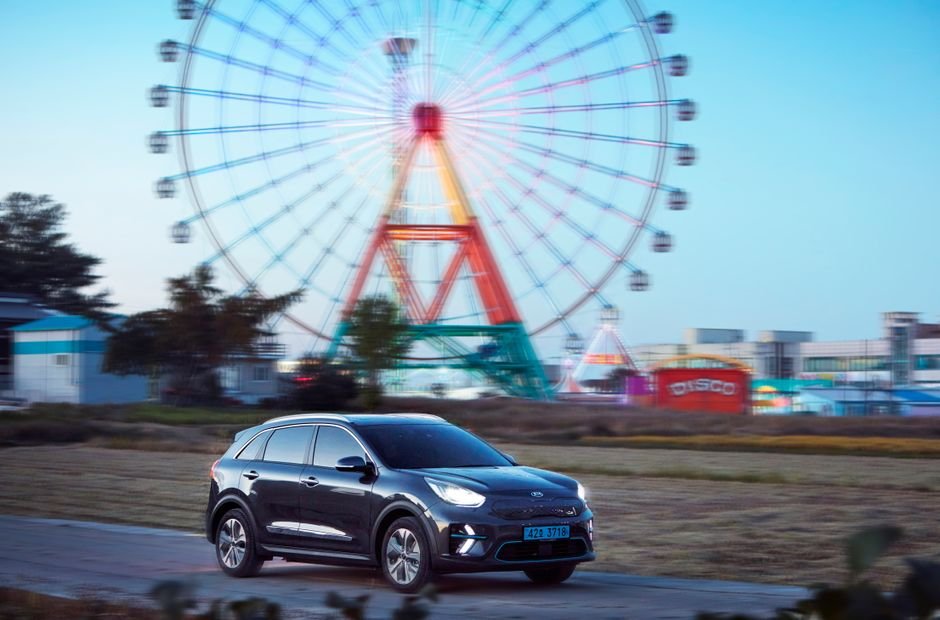
The Kia EV9 spans a much wider price range. It starts around $54,900 for the base rear-wheel-drive Light trim. It climbs to roughly $74,000 for the loaded GT-Line, with a high-performance GT trim still to come. EPA range runs from 230 miles up to 305 miles on the Light Long Range, depending on trim. The Kia EV9 also earned a Top Safety Pick+ rating from the IIHS. It picked up Kelley Blue Book’s Best Buy award for three-row EVs, too.
The Hyundai Ioniq 9 starts a bit higher, at $60,555 for the base rear-drive S trim. It climbs to around $78,090 for the top Performance Calligraphy Design. Every Ioniq 9 trim delivers over 300 miles of range. The base S trim is rated at 335 miles, the best number of the three vehicles in this comparison.
Is the Tesla Model Y L price justified by its tech?
The Model Y L’s price makes more sense once you factor in what’s bundled in. It comes with a year of Full Self-Driving (Supervised), a year of Premium Connectivity, and access to Tesla’s Supercharger network. Those extras add real value. But they’re temporary, and ongoing subscription costs kick in after year one.
Tesla’s Launch Series trim includes 18 speakers, an eight-inch rear touchscreen, 19-inch wheels, and a tow hitch standard. All of that is bundled into one price with no trim ladder to climb yet. That’s different from Kia and Hyundai. Their base trims are noticeably more stripped-down. You have to pay up for niceties like ventilated seats or a premium stereo. The tradeoff is range. At 325 miles, the Model Y L is solid, but it’s not class-leading. Reviewers have pointed out that for the money, it isn’t an outstanding number. Both the EV9 and Ioniq 9 offer trims that beat it in the low-to-mid $60,000 range.
Do the Kia EV9 and Hyundai Ioniq 9 offer more value at the same price?
Yes. In terms of raw space and range per dollar, both Korean rivals arguably beat the Tesla at the same price point. The EV9 and Ioniq 9 share the same E-GMP platform. Both offer genuinely usable third rows and faster 800-volt charging architecture. Available AWD trims land right around $62,000 to $65,000.
Since the EV9 and Ioniq 9 share underpinnings, the differences come down to tuning and priorities. The Ioniq 9 tends to feel quieter and more refined, with a more upscale second-row experience. The EV9 leans toward being the more affordable, family-practical choice. It has strong safety scores and a wider trim spread to shop across. Neither Tesla rival matches the Model Y L’s acceleration. Neither matches its direct access to the Supercharger network, though both now include NACS ports that let them plug into Tesla stations, too. If you’re cross-shopping this segment against other three-row electric options, it’s also worth reading our breakdown of the Rivian R2 vs Tesla Model Y comparison for another angle on how Tesla stacks up against newer competitors.
Which one should you buy?
Choose the Model Y L if you already like the Tesla ecosystem. It’s the pick if you want the quickest acceleration and don’t mind a smaller third row for six seats total. Choose the EV9 or Ioniq 9 if you want more interior room or better range in comparable trims. They’re also the better call if you prefer a more traditional three-row SUV feel with lower entry pricing.
Budget matters here too. EV discounts are shrinking industry-wide, as we covered in our piece on shrinking EV cash-back deals. It’s worth shopping incentives on all three before assuming Tesla’s sticker price is final. It’s also smart to check current cash-back offers. Some manufacturers are still offering meaningful savings on comparable trims, which we detail in our roundup of the best EV cash-back deals right now.
FAQ
Does the Tesla Model Y L qualify for a federal tax credit?
The federal EV tax credit program has changed significantly. Buyers should check current eligibility directly with the IRS or a dealer before assuming any of these three SUVs qualifies. Rules and vehicle eligibility have shifted throughout 2025 and 2026.
How many people can the Model Y L actually seat comfortably?
The Model Y L seats six people using a 2+2+2 captain’s chair layout. Adults can realistically use the third row on shorter trips. That’s thanks to the improved 31.2 inches of legroom back there.
Which of the three has the longest range?
The Hyundai Ioniq 9 wins on range. Its base S trim is rated at 335 miles by the EPA. The Tesla Model Y L comes in at 325 miles. The Kia EV9’s range varies widely by trim, from 230 to 305 miles.
Is it better to buy now or wait for cheaper trims?
If you don’t need a three-row EV immediately, waiting can pay off. Tesla is expected to introduce lower-priced Model Y L trims after the initial Launch Series. Kia has already been trimming EV9 prices year over year. Patience could save you thousands.