
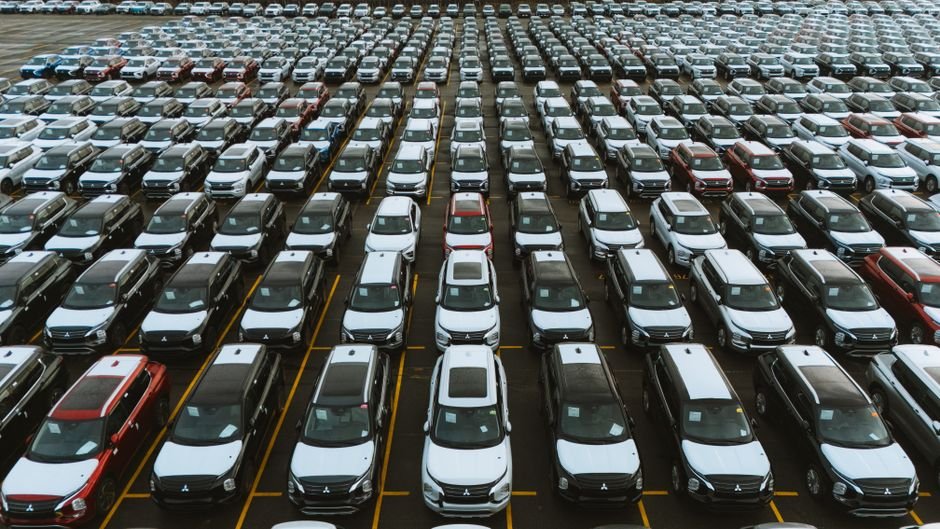
Leftover 2026 cars are some of the best buys on dealer lots right now, as showrooms make room for the first wave of 2027 models. Dealers are sitting on aging inventory they need to move, and that means real leverage for shoppers willing to skip the newest badge on the trunk. The trick is knowing which leftovers are genuine bargains and which ones are gathering dust for a reason.
Why are dealers discounting leftover 2026 models right now?
Dealers pay to finance every vehicle sitting on the lot, and that cost grows the longer a car sits unsold. Once the next model year starts arriving, a leftover model gets harder to sell at full price, so dealers cut prices and add incentives to clear space and cash flow before the calendar turns.
Automakers have been pumping unusually large amounts of money into incentives this year. Average incentive spending is running more than 20% higher than last year, hitting roughly $3,300 per vehicle, with much of that cash concentrated on EVs, full-size trucks, and lingering older-model-year inventory. That pattern typically peaks around late August through Labor Day, which is exactly when leftover units get cleared hardest as the new model year takes over showroom floors.
How much can you actually save on a leftover model?
Buyers who time their purchase around a model-year changeover can typically save between $3,000 and $8,000 compared to buying the same vehicle just months earlier. The savings come from a mix of manufacturer rebates, dealer cash, and simple negotiating room dealers wouldn’t offer on a brand-new model year.
That gap exists because a 2026 model instantly looks “old” the moment 2027 versions show up next to it on the lot, even though the actual vehicle hasn’t changed. Dealers know this, and they’d rather take a smaller profit now than eat months of holding costs waiting for a buyer who insists on the newest badge.
Which segments have the deepest leftover discounts?
EVs and full-size trucks are where this year’s leftover savings are concentrated, with some electric models averaging over $10,000 off sticker price. Popular hybrids from Toyota, Honda, and Hyundai barely discount at all, since they sell almost as fast as dealers can get them.
If you’re eyeing an EV, it’s worth reading up on how EV discounts are shrinking while gas car deals grow, since incentive patterns vary a lot by powertrain and brand this year. Fast-moving compact SUVs and small cars like the RAV4, CR-V, Civic, and Corolla rarely sit long enough to build leverage, so don’t expect much of a bargain there regardless of model year.
Which specific leftover 2026 models are worth buying?
Several 2027 models have already started rolling into dealerships this summer, which means their 2026 counterparts are prime clearance candidates. The 2027 Dodge Charger has begun trickling into dealer lots, and Dodge is running aggressive Power Dollars incentives to clear out remaining 2026 Charger SIXPACK inventory while the changeover happens.
Chevrolet’s 2027 Equinox is another example: production ramped up in June 2026, with broader dealer availability expected through late summer, which is pushing 2026 Equinox pricing down as dealers make room. Stellantis brands in particular tend to carry heavy leftover inventory, so shoppers eyeing a Jeep, Ram, or Dodge should also check out our breakdown of Stellantis’s plan for 60 new vehicles by 2030 before deciding whether to buy now or wait.
Industry trackers estimate that roughly 20% of 2026 model nameplates already had a 2027 version launched by mid-June 2026, and that number keeps climbing through late summer and fall. That’s a strong signal that leftover 2026 inventory across many brands is only going to get cheaper as showrooms fill with newer stock, based on CarEdge’s summer 2026 deals tracking.
What’s the catch with buying a leftover model year car?
The main downside is resale value: a leftover 2026 car will always be valued as a year older than a same-generation 2027 model when you eventually sell or trade it in. For most vehicles, though, the actual differences between consecutive model years are minor, like new colors or small feature tweaks, so the resale hit is usually smaller than the upfront savings.
Before you sign anything, it’s worth brushing up on how to negotiate car prices so you can push past the advertised discount and stack additional dealer incentives. Shoppers cross-shopping smaller leftover SUVs might also want to check our list of budget-friendly SUVs for 2026 for direct price comparisons against fresher inventory.
FAQ
Is it a bad idea to buy a leftover model year car?
No, not usually. Leftover models are typically identical or nearly identical to the newer model year, just sold at a steeper discount because dealers want the space and the financing relief.
When is the best time to buy a leftover 2026 model?
Late August through Labor Day tends to bring the deepest cuts, since that’s when most 2027 inventory starts arriving in volume and dealers get most anxious to clear remaining 2026 stock.
Do leftover models come with worse warranties?
No. A leftover 2026 vehicle gets the exact same manufacturer warranty coverage as a 2027 model of the same nameplate, since warranty length is tied to the in-service date, not the model year label.
Are leftover EVs a good deal right now?
Often, yes. EVs are seeing some of the largest incentives of any segment this year, though it’s worth comparing battery warranty terms and checking current financing offers before committing.