
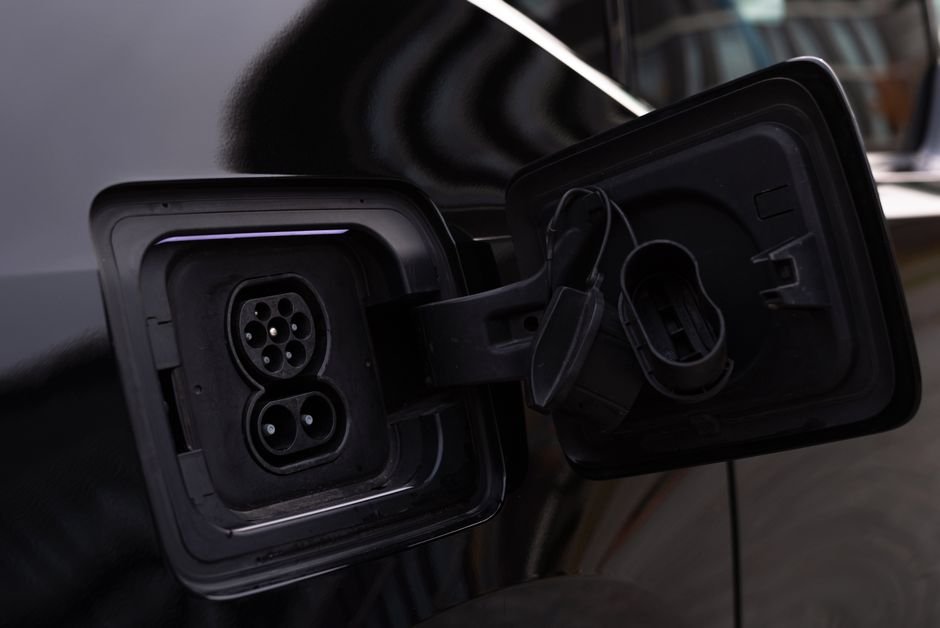
A federal judge just refused to let Porsche off the hook. That changes the math on buying a used Taycan. In mid-September 2026, the court denied Porsche’s bid to force the case into private arbitration. It also declined to dismiss the lawsuit outright. That means the Porsche Taycan fire lawsuit is now headed toward a real trial, not a quiet settlement behind closed doors.
If you’ve been eyeing a used Taycan because prices have fallen so far below sticker, this ruling matters. Here’s what’s actually going on. And here’s whether it should change your shopping plan.
What is the Porsche Taycan fire lawsuit actually about?
Owners allege Porsche’s 800-volt battery pack is prone to internal short circuits. Those shorts can spark a fire, they claim. Several recalls have already been issued, but the suit says none fixed the root cause. It covers 2020-2024 Taycan models across every trim and body style, including the Cross Turismo and Sport Turismo wagons.
The case was originally filed in late 2024 in Georgia federal court. The plaintiff is an owner who paid roughly $120,000 for a 2020 Taycan 4S. The complaint claims Porsche knew about a battery fire risk as early as February 2020. That’s when a Taycan parked in a Florida garage caught fire and destroyed a home. Plaintiffs say Porsche didn’t act quickly enough to protect other owners after that.
Why didn’t the recalls just fix the problem?
Because the fix Porsche chose was mostly software, not hardware. Owners were told to cap charging at 80%. A diagnostic tool then monitored the battery for warning signs. Full module replacement only happened if the car actually flagged a problem.
Plaintiffs argue that’s a band-aid, not a cure. It doesn’t replace every potentially defective battery module. It also quietly shrinks the car’s usable range in the meantime. Porsche has pushed back, arguing many buyers signed arbitration agreements that should keep this out of court entirely. The judge disagreed, at least for now. So the case moves forward.
How many Taycans are actually affected?
The short-circuit issue traces back to battery modules supplied by LG Energy Solution. They were assembled at a plant in Poland. The defect has touched a big chunk of the Taycan’s early production run. Here’s a snapshot of the major campaigns tied to this specific issue:
| Recall Campaign | Date Issued | Vehicles Affected (US) | Remedy |
|---|---|---|---|
| 23V840 / 24V215 / 24V217 | Late 2023–early 2024 | Superseded by later campaign | Software monitoring, 80% charge cap |
| 24V455000 | March 2024 | 31,689 | Charge cap, dealer diagnostic check |
| 24V732000 (ARB7) | October 2024 | 27,527 | Battery module replacement + software update |
That’s on top of unrelated recalls for a brake fluid leak and a glitchy backup camera. A Taycan’s recall history can look intimidating on paper. That’s true even before you factor in the battery lawsuit.
Should you still buy a used Porsche Taycan?
Yes, but only if you verify the recall work is actually done. Get real battery health data before you sign anything. The lawsuit doesn’t mean every Taycan is a fire risk sitting in a driveway. It means Porsche’s fix may not be as complete as advertised. So buyers need to do their own homework instead of trusting the recall label alone.
The upside is pricing. Taycans have depreciated brutally. Many three-year-old examples sell for roughly half their original price. Five-year-old cars often land around 40% of original MSRP. That kind of drop makes a well-documented Taycan a genuinely interesting used luxury EV buy. Just make sure you’re not the one absorbing a future battery replacement bill out of pocket.
This isn’t the first luxury or mainstream EV caught up in fire-related recalls and lawsuits this year. We saw similar patterns play out with the Lucid Air fire recall and the Volvo EX30 battery fire recall. In both cases the smart move was the same: confirm the fix, don’t guess.
What should you check before buying a used Taycan?
Run the VIN through NHTSA’s recall lookup. Don’t take the seller’s word for it. Ask for the actual service record showing the software update. If flagged, get proof of the module replacement too, not just a vague “recall completed” note on a Carfax.
- Confirm campaign 24V732000 (or its predecessors) shows as completed on that specific VIN
- Ask the selling dealer for a current battery state-of-health report, not just a range estimate
- Check whether the 80% charge cap was ever lifted, since a car still capped may mean unfinished recall work
- Get a price that reflects the car’s actual depreciated value, not optimistic dealer markup
For a broader walkthrough of battery checks, warranty coverage, and pricing traps specific to used EVs, our used EV buying guide is the resource to read before you sign anything. It’s also worth comparing Taycan’s battery durability against other EVs. Check our breakdown of used EV battery health across different models.
Bottom line: I wouldn’t walk away from a used Taycan over this lawsuit alone. But I also wouldn’t buy one without seeing the recall paperwork in hand. The official NHTSA recall notice spells out exactly what Porsche promised to fix. Use it as your checklist, not just a formality.
FAQ
Is the Porsche Taycan still under an active recall for battery fires?
Yes. Several overlapping campaigns tied to the same high-voltage battery short-circuit issue remain active for 2020-2024 Taycans. Owners should confirm their specific VIN against NHTSA’s database before assuming the work is done.
Has Porsche actually admitted the batteries caught fire?
Porsche’s own recall filings state that a short circuit in the battery increases fire risk. But the company has said it isn’t aware of confirmed fire incidents tied to the defect in the U.S. recall notices. The lawsuit alleges the risk is real and ongoing regardless.
Does the recall repair cost the owner anything?
No. Porsche dealers perform the diagnostic check, software update, and any needed battery module replacement free of charge under the recall.
Will this lawsuit lower used Taycan prices even further?
It’s possible. Ongoing litigation tends to make some buyers nervous. That could soften prices a bit more in the short term. It also means sharper negotiating power if you do your due diligence first.