
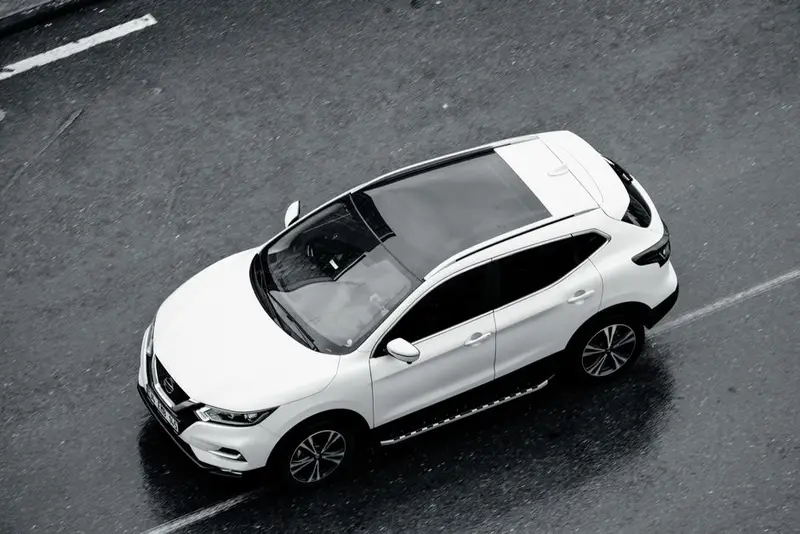
If you’re cross-shopping the Rogue Hybrid vs Plug-In Hybrid right now, here’s the short version: buy the Hybrid. The Plug-In version you see on dealer lots is a one-year-only model. Nissan is already killing it off.
The replacement rolling in is cheaper and simpler. It’s also arguably better suited to how most people actually drive. That’s a strange situation for Nissan to be in, but it’s exactly what’s happening.
The 2026 Rogue Plug-In Hybrid just hit showrooms. Nissan is already preparing to retire it. The replacement is an all-new 2027 Rogue Hybrid built on completely different technology. Understanding why matters a lot if you’re about to sign a loan.
What’s actually different between these two Rogues?
The 2026 Rogue Plug-In Hybrid is a rebadged Mitsubishi Outlander PHEV. It uses a 2.4-liter engine, dual electric motors, and a 20-kWh battery good for 38 miles of electric-only range. The 2027 Rogue Hybrid is a brand-new series hybrid that never plugs in. It leans entirely on its gas engine to generate electricity.
These aren’t trims of the same car. They’re two completely different engineering approaches wearing the same badge. The PHEV borrows its bones from Mitsubishi. The Hybrid uses Nissan’s own e-POWER system, which has sold nearly 2 million units overseas but is brand new to American buyers.
Why is the Plug-In Hybrid getting discontinued so fast?
Nissan apparently only ever planned the PHEV as a stopgap. It bought time while Nissan finished developing e-POWER for the U.S. market. Reports describe the Rogue PHEV as filling a gap that won’t last long. Nissan confirmed the new Rogue Hybrid replaces the Plug-In Hybrid outright for the redesigned fourth-generation model.
That’s a red flag for resale value and long-term parts support. This holds true even if the PHEV itself is a decent vehicle to drive day to day.
How do price and fuel economy actually compare?
The Rogue Hybrid wins on price by a wide margin. It starts thousands below the Plug-In Hybrid’s sticker. It still beats most non-hybrid compact SUVs on fuel economy. The PHEV only pulls ahead if you can plug in every night and mostly drive short trips within its electric-only range.
| Spec | 2026 Rogue Plug-In Hybrid | 2027 Rogue Hybrid (e-POWER) |
|---|---|---|
| Starting MSRP | $45,990 (SL) | $35,490 (SV) |
| Top trim MSRP | $49,990 (Platinum) | ~$45,065 (Platinum, est.) |
| Horsepower | 248 hp combined | ~200-202 hp |
| Electric range | 38 miles | None (no plug) |
| Fuel economy | 26 mpg gas / 64 MPGe combined | Up to 41 mpg city (SR AWD) |
| Seating | Up to 7 (3 rows) | 5 (standard Rogue layout) |
| Drivetrain | AWD standard | FWD or AWD |
Notice the PHEV’s one real advantage: a third row. If you genuinely need to seat seven in a compact SUV, that’s a legitimate reason to consider it. Just know you’ll pay a higher price for it.
Does the Plug-In Hybrid’s electric range actually save you money?
Only if you plug in consistently. Your commute also needs to fit inside roughly 38 miles. Skip charging regularly and you’re paying a premium for a battery you’re barely using. The Hybrid sips gas at up to 41 mpg city without any charging routine at all.
For a deeper look at whether plugging in is worth the hassle and cost for your situation, our decision framework for buying an EV in 2026 walks through the math on home charging versus gas-station convenience.
Is the 2027 Rogue Hybrid worth buying at launch?
Yes, with one caveat: early production trims are limited. Nissan is launching the SR with Technology Package first in late 2026. The SV, SR, and Platinum lineup follow in early 2027. Patience may be required depending on your trim preference.
We’ve already broken down which trim actually makes sense once the full lineup lands. Check our guide to the 2027 Rogue Hybrid’s trims. The short answer: the mid-range SR tends to offer the best value. You won’t overpay for options you won’t use.
Should you buy a leftover 2026 Rogue PHEV at a discount instead?
Maybe. If dealers start discounting the outgoing PHEV heavily to clear inventory, it could become a smart buy. This is especially true for families who need the third row and have home charging access. Just expect resale value to lag, since the model line ends after one year.
Compare that against other electrified SUVs before committing. Our roundup of the best hybrid SUVs for 2026 gives you a sense of where the Rogue lineup stacks up against rivals from Toyota and Honda.
So which Rogue is the smarter buy?
For most shoppers, the 2027 Rogue Hybrid is the smarter buy. It costs less. It doesn’t ask you to manage a charging routine. It delivers strong fuel economy and represents Nissan’s long-term direction, not a one-year experiment.
The Plug-In Hybrid only makes sense in a narrow lane. You need three rows, reliable home charging, and a steep discount as Nissan clears out the model. Everyone else should wait for the Hybrid. At minimum, cross-shop both before signing anything.
If you already own a hybrid and are wondering whether used values make now a good time to sell or trade, check our breakdown on why used hybrid prices keep climbing for context on the broader market.
FAQ
Is the Nissan Rogue Plug-In Hybrid being discontinued?
Yes. Nissan has confirmed the 2027 Rogue Hybrid replaces the Rogue Plug-In Hybrid. The PHEV was only offered for the 2026 model year and was based on the Mitsubishi Outlander PHEV.
Does the 2027 Rogue Hybrid need to be plugged in?
No. It’s a series hybrid, meaning the gas engine only generates electricity for the motors. It never needs an external charge, unlike the outgoing Plug-In Hybrid.
Which Rogue gets better gas mileage?
The 2027 Rogue Hybrid is rated up to 41 mpg city on the SR AWD trim. That beats the Plug-In Hybrid’s roughly 26 mpg once its battery is depleted.
Does the Rogue Hybrid come with a third row like the PHEV?
No. The 2027 Rogue Hybrid uses the standard five-seat Rogue layout. Only the outgoing Plug-In Hybrid offers the optional third row for seven-passenger seating.