
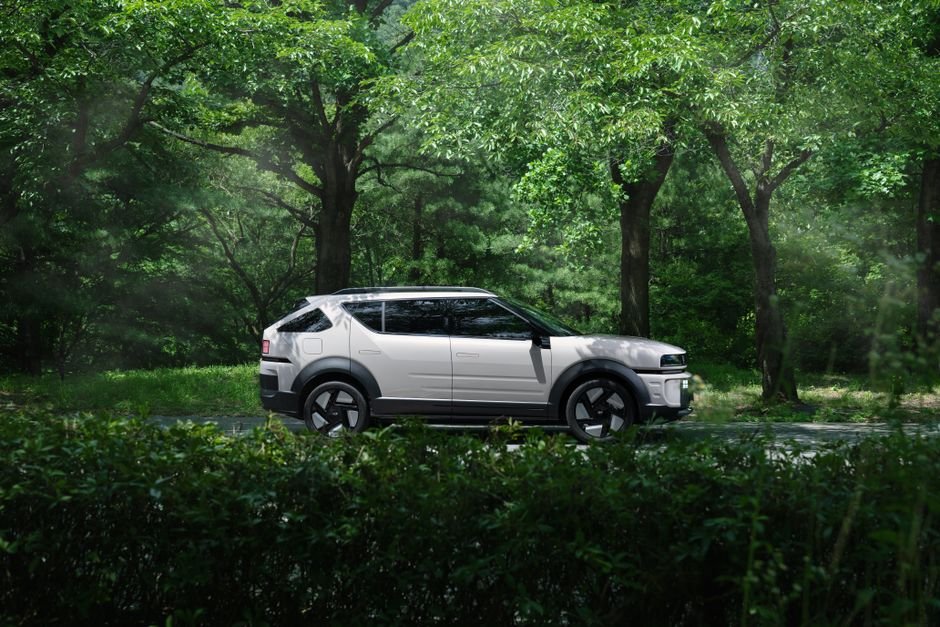
Rivian just grew its delivery numbers faster than Tesla did. That doesn’t mean you should rush out and reserve an R2 over a Model Y, though. Rivian delivered 19,248 vehicles in the third quarter of 2026, a 45% jump from the same period last year. Tesla’s total deliveries, meanwhile, actually fell slightly. The headline sounds like a changing of the guard. The real story is more nuanced, and it matters a lot depending on what you’re shopping for.
What do the Rivian R2 delivery numbers actually show?
Rivian delivered 19,248 vehicles in Q3 2026, up from 13,201 a year earlier. The new R2 drove most of that growth in its first full quarter on sale. That’s a 45% year-over-year increase. It’s also a 58% jump from the prior quarter’s 12,194 deliveries.
Rivian produced 19,751 vehicles at its Normal, Illinois plant over the same stretch. That beat Wall Street’s expectation of about 18,000 deliveries. The company reaffirmed its full-year guidance of 65,000 to 70,000 vehicles. That’s already an upgrade from its original 62,000 to 67,000 target set earlier this year.
Here’s the catch. Rivian isn’t disclosing how many of those deliveries were R2s specifically. And only the priciest $57,990 Performance trim is even on sale right now. The more affordable Premium and Standard trims, the ones that actually compete with mainstream SUVs, don’t arrive until late 2026 and the first half of 2027.
How does that compare to Tesla’s Q3 numbers?
Tesla delivered 486,532 vehicles in Q3 2026. That’s still about 25 times Rivian’s entire quarter. But it was down 2.1% from the 497,099 Tesla delivered in Q3 2025. It did beat analyst estimates, though, and ticked up slightly from Q2.
So the “beat Tesla’s growth” framing is technically true on a percentage basis. But it’s comparing a company scaling from a tiny base to one already selling nearly half a million cars a quarter. Tesla has delivered 1,324,681 vehicles through three quarters of 2026. That’s up 8.8% from the same point last year, almost entirely thanks to strong first-half numbers rather than Q3 momentum.
Curious how long you’d actually wait for a Tesla right now? We broke down current Model Y wait times and which trim to buy in a separate piece.
Rivian R2 vs. Tesla Model Y: how do the specs stack up?
On paper, the R2 is Rivian’s most direct swing at Tesla’s turf yet. That’s especially true once the cheaper trims arrive. Here’s how the lineup compares right now.
| Vehicle | Starting Price | Range (est.) | Availability |
|---|---|---|---|
| R2 Performance | $57,990 | Up to 330 miles | Available now |
| R2 Premium | $53,990 | Up to 330 miles | Late 2026 |
| R2 Standard | $48,490 | Up to 345 miles | First half 2027 |
| Tesla Model Y | ~$44,990 (base) | Up to 320+ miles | In stock / weeks |
The R2 Performance puts out 656 horsepower. It hits 60 mph in 3.6 seconds. Those numbers genuinely embarrass most gas SUVs in its price range. But it’s a $58,000 vehicle competing against a Model Y that starts nearly $13,000 lower.
Should you actually buy a Rivian R2 right now?
Only if you want the top Performance trim and don’t mind being an early adopter on a brand-new platform. If you want the more affordable Standard or Premium versions that compete directly with a Model Y on price, you’re waiting. Late 2026 at the earliest, or into 2027.
Rivian has also had a rocky recall history on its newer vehicles. That’s worth knowing before you put down a reservation deposit. We covered the details in our piece on the R2’s second recall and whether it changes the calculus.
Early production vehicles on any new platform tend to carry more risk. Think software bugs, fit-and-finish issues, and the kind of hiccups that get ironed out by year two or three. If you can wait for the Premium trim and a slightly more mature build, you’ll likely get a better car for less money.
Should you just buy a Tesla instead?
If you want an EV you can buy today, with a mature charging network and a lower price tag, the Model Y is still the safer bet. Tesla’s Supercharger network alone remains a massive advantage. Rivian, despite adopting NACS, can’t fully replicate that yet.
That said, Tesla’s flat-to-declining U.S. delivery trend suggests demand is softening domestically. Even as the company holds steady globally. Falling quarter-over-quarter in a market where EV sales are supposedly growing is a yellow flag worth watching. Even if Tesla still sells more cars in a single quarter than Rivian has sold in its entire history combined.
So which EV should you actually buy?
Buy the Model Y if you want something available now, cheaper, and backed by the biggest charging network in the country. Reserve an R2 only if you specifically want the Performance trim’s power and off-road capability. And only if you’re comfortable being an early buyer on an unproven platform.
Neither pick is wrong, exactly. They just serve different buyers. If you’re still deciding whether an EV makes sense for your budget and lifestyle at all, our full decision framework for buying an EV in 2026 walks through the bigger-picture math beyond just brand loyalty.
FAQ
Is Rivian actually outselling Tesla now?
No. Tesla delivered 486,532 vehicles in Q3 2026 compared to Rivian’s 19,248. That’s roughly 25 times as many cars per quarter. Rivian is only growing faster on a percentage basis, from a much smaller starting point.
When does the cheapest Rivian R2 Standard arrive?
The R2 Standard, priced from $48,490, is expected in the first half of 2027. An even more affordable version near $45,000 is slated for later in 2027. Budget-focused shoppers still have a wait ahead.
Why did Tesla’s deliveries drop while Rivian’s grew?
Tesla’s Q3 2026 deliveries fell 2.1% year-over-year. Part of that is because Q3 2025 was an all-time record quarter, inflated by buyers rushing to beat the expiring federal EV tax credit. Rivian, by contrast, is comparing against a much smaller, pre-R2 lineup from last year.
Does the R2 qualify for any federal EV incentives?
The federal EV tax credit expired in 2025. So no current R2 or Model Y purchase qualifies for that $7,500 break nationally. Some state-level rebates may still apply depending on where you live, so check your state’s current EV incentive program before you buy.