
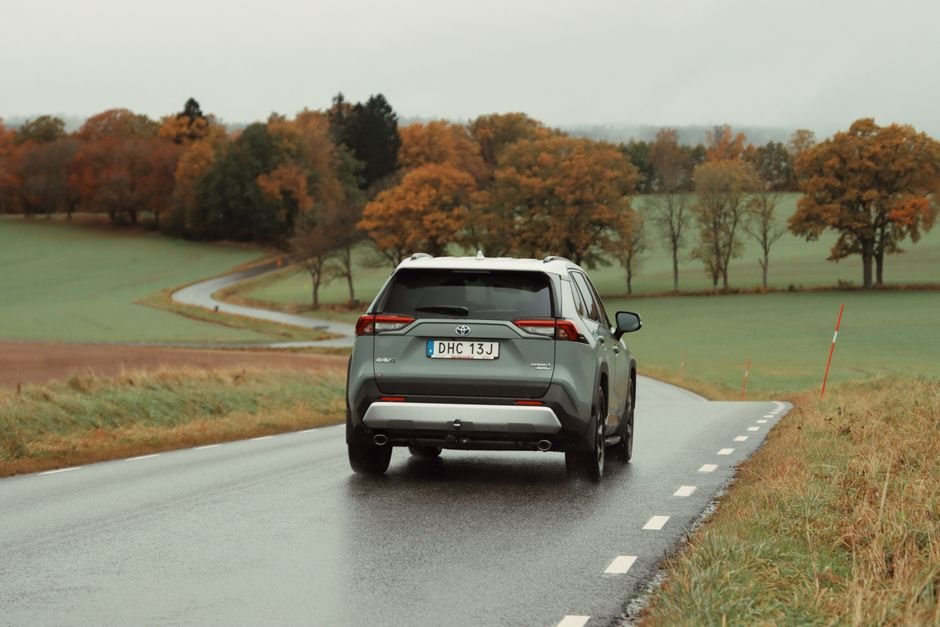
Yes, you can still buy a RAV4 Prime. But Toyota just admitted its newest plug-in hybrid can shut itself off while you’re doing 65 mph. On October 7, 2026, Toyota announced a safety recall covering roughly 31,000 model-year 2026 RAV4 Plug-in Hybrid vehicles. A software glitch in the hybrid control computer can cause the whole propulsion system to shut down mid-drive.
That’s not a vague “check engine light” problem. Toyota’s own language is blunt about what’s at stake. It’s worth understanding exactly what triggers it before you decide whether this RAV4 Prime recall is a dealbreaker or a non-issue.
What exactly does the RAV4 Prime recall fix?
The recall targets a faulty electronic control unit that manages the plug-in hybrid system. If that ECU glitches, the hybrid system can shut down unexpectedly. Power to the wheels can cut out with no warning.
Toyota says the affected vehicles can lose forward motion specifically at higher speeds. That’s the scenario that worries safety regulators most. A sudden stall on the highway, with traffic closing in behind you, is a very different risk than one in a parking lot. The fix itself is simple: a free software update at any Toyota dealer. Toyota plans to notify owners by early December 2026. No injuries or crashes have been tied to this specific campaign so far.
Is this a new problem, or déjà vu?
It’s déjà vu. Toyota recalled roughly 16,680 earlier RAV4 Prime models back in 2023 for an almost identical complaint. The hybrid control ECU could shut the system down and cause a loss of motive power at higher speeds. That time, it was triggered by cold-weather EV driving combined with hard acceleration. The company fixed it then with a software flash, too.
| Recall | Model Years | Vehicles Affected | Trigger | Fix |
|---|---|---|---|---|
| 2023 recall | 2021 RAV4 Prime | ~16,680 | Cold weather + hard acceleration in EV mode drains battery voltage fast | Free ECU software update |
| 2026 recall | 2026 RAV4 Prime | ~31,000 | Faulty ECU software, system shutdown while driving | Free ECU software update |
Two separate software defects. Same basic failure mode. Same brand-new nameplate generation each time. That pattern is the part that should give shoppers pause. Not the individual fix, which is painless, but the fact that Toyota’s hybrid control software for this specific model has now needed emergency patching twice.
Should you still buy a RAV4 Prime in 2026?
I’d still buy one. But I’d wait for the software update to actually land on the car before I signed anything or drove it hard on the highway. The fix is free and fast. Dealers can usually do it same-day — this isn’t a hardware replacement or a months-long parts wait.
The RAV4 Prime — officially rebranded the RAV4 Plug-in Hybrid for 2026 — is still one of the most compelling vehicles in its class on paper. The 2026 model makes 324 combined horsepower. It hits 60 mph in about 5.4 seconds. Toyota rates it for roughly 54 miles of all-electric range before the gas engine ever needs to kick in. Pricing starts around $41,500 and climbs to about $48,500 for a loaded XSE or GR Sport trim.
- 2026 RAV4 Plug-in Hybrid SE: starts around $41,500
- 2026 RAV4 Plug-in Hybrid XSE: starts around $47,200
- 2026 RAV4 Plug-in Hybrid GR Sport: starts around $48,500
- Regular 2026 RAV4 Hybrid (no plug): starts around $31,900
What should you actually do if you own or are buying one?
Check your VIN against NHTSA’s recall lookup before you drive it hard on the freeway. Get the update scheduled the moment Toyota or your dealer reaches out. If you’re shopping used or a dealer demo unit, ask point-blank whether the software fix has already been applied. It should show up in the service history.
Dealers are required to perform open recalls on new inventory before they sell it. So a brand-new unit on the lot should already be covered. A used 2026 model changing hands privately is the one case where you really need to verify it yourself. That’s the same advice we’d give before buying a used recalled Camry or a Toyota bZ with its own power-loss recall.
Is the plug-in hybrid version still worth the extra money over a regular RAV4 Hybrid?
If you can charge at home regularly, yes. The RAV4 Prime’s 54 miles of EV range covers most daily commutes on electricity alone. The standard hybrid simply can’t match that. We broke down that exact price gap in our piece on whether the RAV4 Plug-In Hybrid is worth paying thousands more, and the math still favors the Prime for anyone with a garage or driveway outlet.
If you’re still torn between a plug-in and a plain hybrid, it’s worth stepping back first. Read our broader decision framework on buying an EV or plug-in in 2026 before you commit either way. And if the RAV4 Prime’s price still feels steep, our Rogue Hybrid vs. RAV4 Hybrid comparison is a good next stop for the non-plug-in crowd.
FAQ
How do I know if my RAV4 Prime is part of the recall?
Enter your 17-digit VIN at NHTSA.gov/recalls or on Toyota’s own recall lookup page. Only certain 2026 model-year RAV4 Plug-in Hybrid units built with the affected ECU are included. That’s roughly 31,000 vehicles total.
Can I keep driving my RAV4 Prime until the recall fix is scheduled?
Toyota hasn’t issued a stop-drive order. The vehicle remains legal and safe to drive while you wait for your service appointment. Just be aware the shutdown risk is real at higher speeds. Don’t put off scheduling the free update any longer than necessary.
Does this recall affect resale value?
A software-only recall with a quick, free fix typically has little lasting effect on resale value. That’s true once it’s completed and documented. Just make sure the fix shows up in the vehicle history before you buy or sell a used one.
Is the RAV4 Prime’s recall history worse than other plug-in hybrids?
Not dramatically. Software recalls are common across the plug-in hybrid and EV segment, since automakers push complex battery-management code out the door quickly. Toyota’s quick, no-cost fix and transparent reporting are actually the system working as intended. It’s not a sign to avoid the model.