
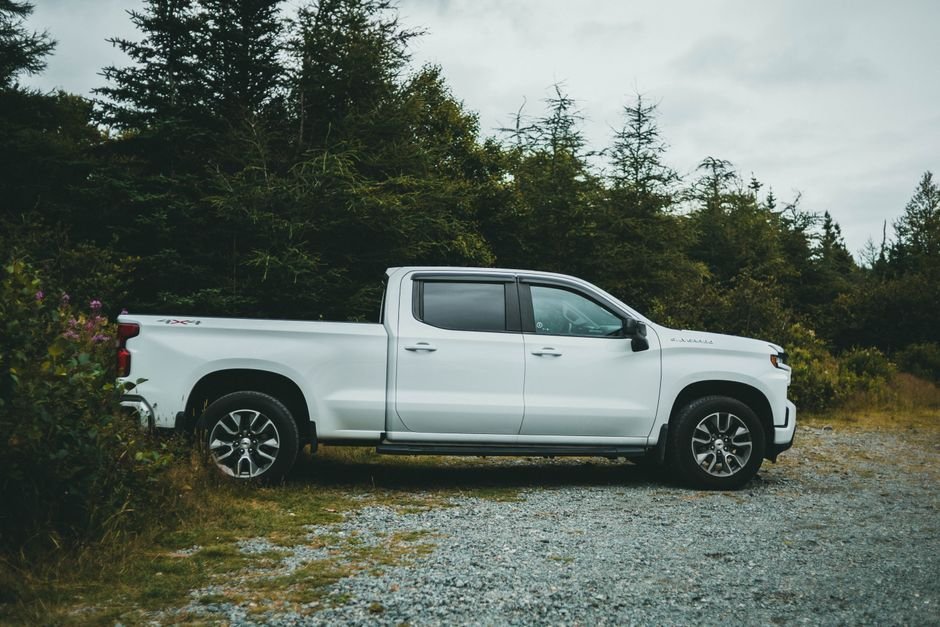
Nine recalls in three model years is a lot for any truck. The Chevy Silverado EV just added two more in a single week this summer. Cracked steel wheels, a battery pack that needs full replacement, and a stability control light that might not work — it’s been a rough stretch of headlines for GM’s flagship electric pickup. So is the Silverado EV still worth buying, or has GM’s own quality control talked buyers out of it?
Short answer: the truck itself is genuinely good. But the recall pattern is worth understanding before you sign anything.
How many times has the Silverado EV actually been recalled?
NHTSA has logged nine separate recall campaigns against the Chevy Silverado EV. They cover model years 2024 through 2026, and the 2026 model year alone accounts for four of them. That’s a notably fast pace for a truck still ramping up production volume.
Here’s a rundown of the major campaigns so far:
| Issue | When Filed | Vehicles Affected | Fix |
|---|---|---|---|
| Seat belt buckle bolts loose | Dec 2023 | Part of a shared Hummer EV/Silverado EV campaign | Dealer tightens bolts, free |
| Pedestrian alert sound too quiet | 2025 | 46 WT units | Software update |
| ESC warning light software bug | Sept 2025 | ~1,200 units (with Sierra EV) | Dealer or OTA software fix |
| High-voltage battery module defect (fire risk) | July 30, 2026 | 10 vehicles | Full battery pack replacement |
| Steel wheels can crack at vent holes | July 30, 2026 | 952 trucks (Silverado EV + Sierra EV) | Inspection, wheel replacement if needed |
The steel wheel campaign is the one to actually pay attention to. GM traced it to supplier Topy America. The automaker estimates about 74 percent of the affected wheels actually have the defect, which is a high hit rate for a recall. The battery recall sounds scarier on paper. But it only touches ten vehicles nationwide, all built in a two-week window in May 2026.
Are these recalls a sign the Silverado EV is unreliable?
Not really, and that’s the more useful way to read this. Most of the campaigns are software fixes, seatbelt bolts, and a supplier defect on steel wheels. They’re not fundamental problems with the battery, motor, or Ultium platform itself.
Compare that to what typically worries safety regulators: fires from battery cells, steering failures, or structural issues. GM’s recalls skew toward the “caught it early, fixed it fast” category. They don’t fall into “we don’t understand our own platform” territory. The wheel defect developed slowly and GM says it hasn’t seen field complaints or warranty claims yet. That suggests they caught it during internal testing, not after owners started reporting problems.
That said, four recalls in one model year is still a lot of dealership trips for a $55,000-plus truck. If you’ve read our Mustang Mach-E recall coverage, you know this isn’t unique to GM. New EV platforms across the industry are getting recalled faster than established gas trucks. And 2026 has been an unusually active year for recalls industry-wide.
What does a 2026 Silverado EV actually cost right now?
Pricing starts around $54,895 for the entry Custom/WT trim. It climbs past $88,000 for a loaded Trail Boss Max Range model. That’s a wide spread, and where you land depends heavily on range and trim.
- Custom/WT trim: starts near $54,895, roughly 490 horsepower
- LT Extended/Max Range: stretches from the low $60,000s to around $80,000
- Trail Boss Extended/Max Range: roughly $72,000 to $88,700, with 760 horsepower and 12,500 lbs of towing
- Max Range battery: rated up to 493 miles, the longest of any electric pickup on sale
Those numbers put the top trims uncomfortably close to a base Rivian R1T or a loaded gas Silverado High Country. If you’re cross-shopping, our electric truck market breakdown lays out how the Silverado EV actually stacks up against the F-150 Lightning and Rivian on range, towing, and price.
Should you actually buy a Silverado EV right now?
I’d still buy one. But I’d pick an LT Extended Range over the base trim, and I’d run the VIN through NHTSA’s lookup tool before signing paperwork. The recalls so far are fixable, mostly free, and don’t point to a deeper design flaw.
What I wouldn’t do is buy a Silverado EV built between February and June 2025, or one produced last October through mid-March, without confirming the fixes. Ask the dealer to complete any open recall work before you take delivery, not after. You can check any VIN directly on NHTSA’s recall search tool in under a minute.
If you’re weighing this purchase against a used EV, or trying to figure out whether an electric truck pencils out financially at all, check two of our guides first. Our EV buying decision framework and our EV total cost of ownership breakdown are worth reading before you commit to a $70,000 truck payment.
FAQ
Is the Silverado EV steel wheel recall dangerous?
It’s serious enough that GM issued a formal safety recall, since a cracked wheel could separate at speed. But GM says it hasn’t seen any field complaints yet. The fix is a free inspection and wheel swap if needed.
How many Silverado EVs have been recalled total?
NHTSA has issued nine separate recall campaigns covering the Silverado EV across the 2024, 2025, and 2026 model years. Four of those hit the 2026 model year alone.
Does a recall affect Silverado EV resale value?
Open recalls can spook used-car buyers even after they’re fixed. Make sure any recall work is completed and documented before you sell or trade one in. A clean recall history is one of the things worth checking on any used EV.
Should I wait for the 2027 Silverado EV instead?
Not necessarily. GM appears to be catching these issues early, rather than after a wave of owner complaints. And the underlying truck — range, towing, and tech — is genuinely competitive with anything else on the market today.