
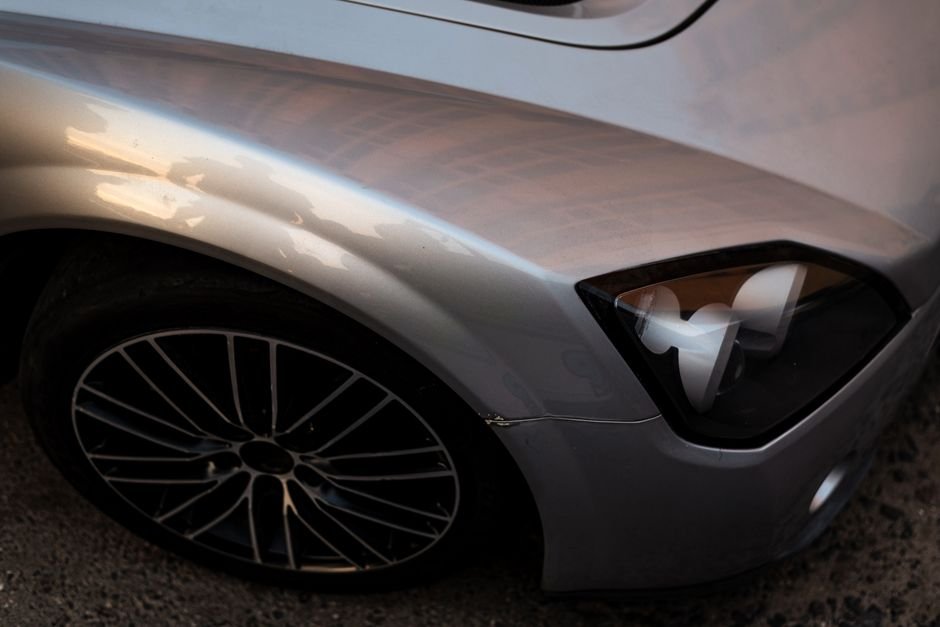
Lucid just recalled more cars in one filing than it has sold in its entire history as a company. The Lucid Air fire recall covers 27,185 sedans built from late 2021 through July 2026. NHTSA is telling owners to park outside, away from garages and houses, until a fix lands. That’s a scary headline for a $70,000-plus luxury sedan. But the actual story is more nuanced than “Lucid Air catches fire.”
What exactly triggered the Lucid Air fire recall?
The problem isn’t the battery pack that everyone assumes causes EV fires. It’s a low-voltage circuit that runs the exterior lights. That circuit is protected by a software-controlled “eFuse” instead of an old-school physical fuse.
According to Lucid’s filing, that software could let too much current keep flowing through the lighting circuit. It might not shut down when it should. The National Highway Traffic Safety Administration said the overheated circuit could also cause loss of exterior lighting. That raises crash risk on top of the fire concern. Lucid’s own records point to three fires, four smoke incidents, and 33 warranty claims tied to damaged wiring near the exterior lights.
Is this really Lucid’s biggest recall ever?
Yes, by a wide margin. At 27,185 vehicles, this single recall covers more cars than Lucid delivered globally in all of 2025. Lucid handed over 15,841 vehicles worldwide that year.
It’s also not an isolated incident this year. Lucid has now issued four separate recalls in 2026 alone. That pattern is worth a look before you decide whether to trust the brand with your driveway.
| Month (2026) | Vehicles | Issue |
|---|---|---|
| January | 10,000+ | Rearview camera image problems |
| March | 3,627 | Improperly secured half-shaft bolts |
| May | 2,039 | Drive unit inverter fault, loss of power |
| August | 27,185 | Overheating exterior lighting circuit, fire risk |
Do you need to stop driving your Lucid Air right now?
No. NHTSA’s own guidance treats the park-outside advisory as a precaution, not an order to stop driving. And the bigger news is that most of the fix already happened before the recall was even announced.
Lucid quietly pushed software version 2.10.0 over the air back in July. That update lowers the eFuse’s protection threshold. It also stops a faulted circuit from re-energizing repeatedly in the same drive cycle. By the time the recall went public, 20,719 of the 27,185 affected cars had already received it. Roughly 6,466 are still waiting. Owners who haven’t gotten it yet will get a mailed notice, with phased notifications starting in mid-October.
Should you still buy a Lucid Air after this recall?
If you’re buying new or lightly used, yes. This is a fixable software problem, not a structural or battery flaw, and Lucid has already patched most of the fleet remotely. I’d still confirm the update is installed before handing over any money.
That’s the real distinction here. This isn’t the kind of fire risk that requires yanking a battery pack or rewiring a car on a lift. It’s a case where the “fuse” is code, and Lucid rewrote the code. That said, it does say something uncomfortable about how many safety-critical functions now live in software rather than hardware. That theme keeps popping up across the industry, from Mustang Mach-E software recalls to Tesla’s ongoing federal investigations into its own driver-assist systems.
Before you sign anything, ask the dealer or seller for the vehicle’s current software version. Confirm it’s 2.10.0 or newer. If you’re shopping used, this is exactly the kind of check we recommend in our used EV buying guide, which walks through how to pull recall and software history before you buy. And if you’re still deciding whether an EV makes sense for your driveway this year, our EV decision framework is a good place to start.
How does this compare to other 2026 EV recalls?
Lucid isn’t alone in having a rough recall year. Ford’s Mustang Mach-E has racked up four recalls in a single year. Tesla currently has 1.2 million vehicles under federal investigation. Traditional automakers aren’t immune either. Ford also recalled 566,000 Broncos over an unrelated engine fire risk this year.
If you want the bigger-picture context on why 2026 has been such a heavy recall year, we broke that down in our record-recall-year piece. It includes how to check whether your specific vehicle is affected.
My take
Lucid’s stock actually ticked up the day this recall hit. I don’t think that’s investors being careless. The market read this correctly: a software fix that’s already reached 76% of the affected fleet is a manageable problem, not an existential one. Lucid is dealing with layoffs, a reduced factory shift, and a stock down roughly half its value this year. The company needs every bit of good execution it can get. Getting ahead of this recall with an OTA patch before regulators even announced it is a point in its favor.
FAQ
Is the Lucid Air fire recall about the battery?
No. The issue involves a low-voltage circuit that powers the exterior lights, not the high-voltage traction battery that powers the car.
How do I know if my Lucid Air needs the fix?
Check your car’s software version in the settings menu. If it’s running version 2.10.0 or later, the fix is already installed. If not, Lucid will notify owners by mail, with phased notifications beginning in mid-October 2026.
Does the recall cost anything?
No. The remedy is a free over-the-air software update. Lucid says owners who already paid out of pocket for related repairs may be eligible for reimbursement.
Should I avoid buying a used Lucid Air because of this?
Not necessarily. Just confirm the software version before purchase. Make sure any dealer or private seller can show the update has been applied, the same way you’d check any other open recall on a used car.