
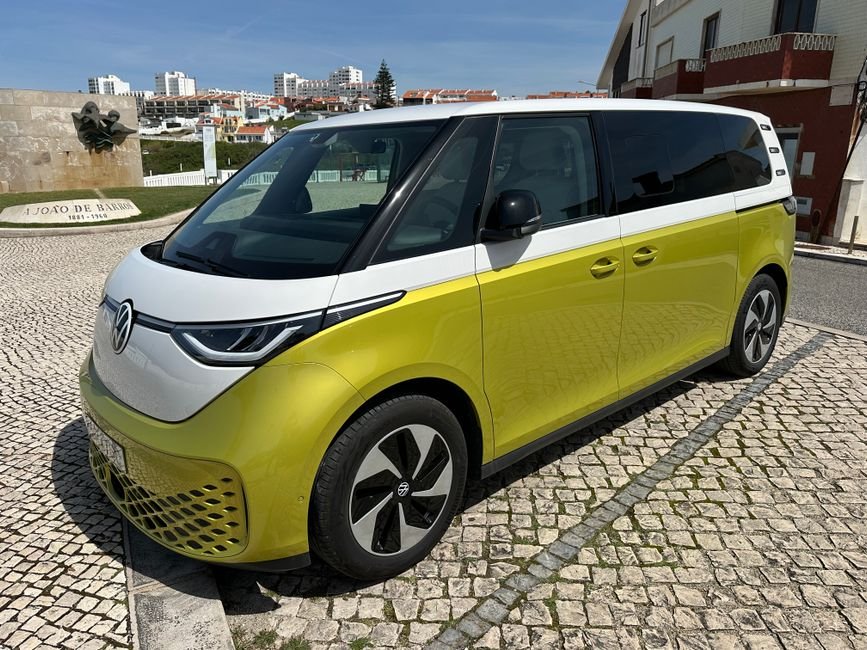
The VW ID.4 discontinued its American production run earlier this year. The plant that used to build it in Chattanooga, Tennessee now cranks out gas-powered Atlas SUVs instead. That doesn’t mean the ID.4 vanishes tomorrow, though. Volkswagen is quietly winding the model down while it preps a rebadged, reworked replacement called the ID.Tiguan. Shoppers are stuck deciding whether to grab a discounted ID.4 now or hold out for something newer.
What actually happened to the VW ID.4?
Volkswagen stopped building the ID.4 at its Chattanooga plant. It shifted that capacity to the three-row Atlas, a much stronger seller in the US market right now. The ID.4 itself isn’t dead yet. Dealers still have 2026 models in stock, and VW says existing supply should carry buyers through into 2027, when the redesigned replacement takes over.
That replacement will drop the numeric badge entirely. Instead of another “ID.” followed by a number, the next-generation electric SUV will wear the ID.Tiguan name. It borrows recognition from VW’s best-selling gas-powered nameplate in the US and worldwide.
What is the ID.Tiguan, exactly?
The ID.Tiguan is a comprehensively reworked version of the ID.4. It’s built on VW’s updated MEB+ platform with a boxier, more traditional SUV shape instead of the ID.4’s rounded curves. It also fixes several of the ID.4’s most complained-about flaws. That includes the awkward touch-based controls and cramped infotainment screen.
Spy shots and reporting point to a bigger 15-inch touchscreen. Physical buttons are making a long-awaited return to the steering wheel and dashboard. VW is also swapping the finicky flush door handles back for conventional pull handles. Under the skin, VW is expected to offer a cheaper LFP battery option on entry trims. A larger pack should be available too, plus faster charging than the current car’s roughly 175 kW peak.
VW plans a full unveiling on October 9. US deliveries are expected to begin sometime in late 2026 or as a 2027 model year vehicle. Reports also suggest the ID.Tiguan could start at a lower price than today’s ID.4, which currently opens at just over $45,000 for the base Pro trim.
How does the current ID.4 stack up against what’s coming?
Here’s a side-by-side of what you can buy today versus what Volkswagen is promising for the redesigned model. It’s based on the most recent reporting available.
| Feature | 2026 VW ID.4 (available now) | ID.Tiguan (expected 2027) |
|---|---|---|
| Platform | MEB | MEB+ |
| Starting price | ~$45,095 (Pro trim) | Expected to start lower |
| EPA range (RWD) | Up to 291 miles | Not yet confirmed; battery upgrades expected |
| Peak DC charging | ~175 kW | Reportedly up to ~183 kW or higher |
| Interior controls | Touch-based sliders, limited buttons | Physical buttons return, larger 15-inch screen |
| Door handles | Flush, electronic | Traditional pull handles |
| US availability | In dealer stock now | Late 2026 / 2027 model year |
Should you buy an ID.4 now, or wait for the ID.Tiguan?
Buy now if you find real money off a current ID.4. Waiting over a year for a vehicle with an unconfirmed price and unproven reliability record isn’t a great trade for most shoppers. VW has strong incentive to clear remaining inventory. That usually means bigger discounts as the changeover nears.
There’s a real financial wrinkle to consider, though. The federal EV tax credit that used to knock $7,500 off a new ID.4 expired for any vehicle delivered after September 30, 2025. That incentive is gone no matter which version you buy. If you’re financing instead, it’s worth checking whether your specific ID.4 qualifies for the $10,000 car loan interest deduction, since eligibility depends on where the vehicle was actually assembled.
I’d lean toward buying now if the discount is meaningful and you like the current styling. It’s still a comfortable, roomy SUV with solid range. If you can wait, though, the ID.Tiguan’s return of physical controls and a cheaper LFP battery option genuinely sound like upgrades worth having. That’s not just a fresh coat of badge paint.
Either way, don’t buy based on assumptions about tax breaks or resale value. For a broader gut-check on timing, our EV buying decision framework walks through the bigger financial picture. Our EV total cost of ownership breakdown is also worth reading before signing anything.
This isn’t the first mainstream EV to get quietly phased out mid-cycle, either. Honda did something similar with its Prologue, and that story is worth a look if you’re weighing how much a discontinuation actually matters for long-term ownership. If you’re shopping used instead of new, keep in mind used EV prices are climbing in 2026 too. A discounted new ID.4 might actually beat a used one on value right now.
FAQ
When will the ID.Tiguan actually arrive in US dealerships?
Volkswagen is targeting a full reveal in October. US deliveries are expected to begin in late 2026 or as an early 2027 model year vehicle. Exact on-sale dates typically slip a few months from initial targets, so treat early 2027 as the safer bet.
Will the VW ID.4 name disappear completely?
Yes, at least for this generation. Volkswagen is moving away from numeric EV names across its whole ID lineup, following the same pattern used for the ID.Polo and ID.Cross.
Can I still get a federal tax credit on a new ID.4?
No. The $7,500 federal EV tax credit expired for any vehicle delivered after September 30, 2025. It no longer applies to new ID.4 or future ID.Tiguan purchases.
Will parts and service get harder to find for ID.4 owners?
Unlikely in the near term. Volkswagen isn’t abandoning the platform. The ID.Tiguan shares its underlying architecture, so parts supply and dealer service support should continue normally for existing ID.4 owners.