
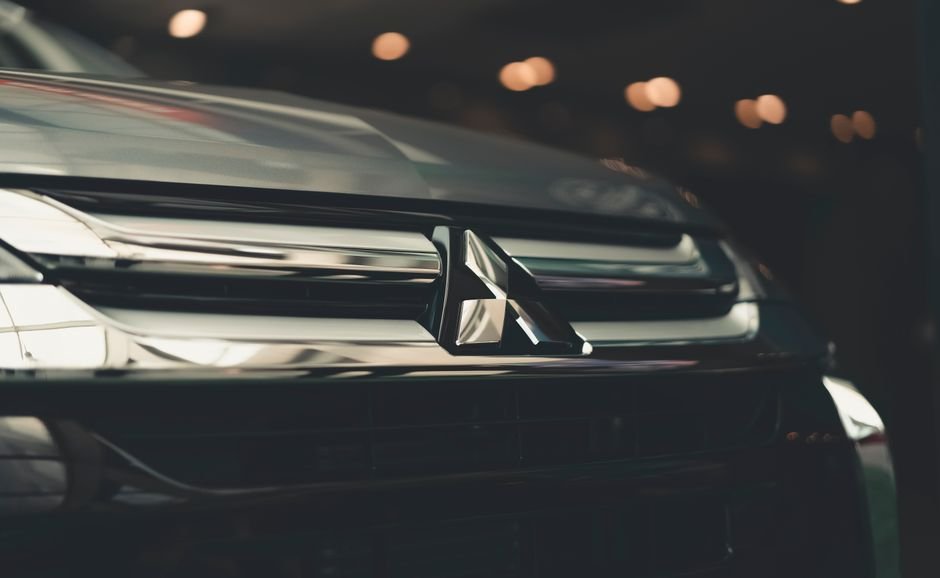
Here’s the short answer: no, it isn’t. The Rogue PHEV vs Outlander PHEV matchup isn’t really a competition between two different SUVs. It’s the same Mitsubishi-engineered vehicle wearing two different logos. Right now, Nissan is charging more for a version with less power and less electric range.
That’s not a knock on badge engineering in general. Automakers share platforms all the time, and it can work out fine for shoppers. But in this specific case, the timing created a weird gap between the two vehicles. It’s worth understanding before you sign anything.
Are the Rogue PHEV and Outlander PHEV actually the same car?
Yes, almost entirely. The Rogue PHEV is built on the same line in Japan as the Outlander PHEV. Only cosmetic differences separate them, like grille light bars, taillight trim, infotainment graphics, and interior color choices.
Nissan needed a plug-in hybrid in its lineup fast. Rather than engineer one from scratch, it borrowed heavily from its alliance partner Mitsubishi. According to Nissan’s own press materials, the Rogue PHEV combines two electric motors, a 20-kWh battery, and a 2.4-liter gas engine. That powertrain is essentially lifted straight from the Outlander PHEV’s previous generation.
So why does the Rogue PHEV cost more?
The Rogue PHEV starts noticeably higher than the Outlander PHEV’s base trim. That’s despite using an older, less powerful version of the same hardware. It’s the badge tax, plain and simple, and it’s the central problem with buying the Nissan version right now.
Mitsubishi refreshed the Outlander PHEV for 2026. It got a bigger battery, more horsepower, and longer electric range. The Rogue PHEV, meanwhile, launched using the outgoing specs. Here’s how they actually stack up:
| Spec | 2026 Nissan Rogue PHEV | 2026 Mitsubishi Outlander PHEV |
|---|---|---|
| Starting price | ~$45,990–$47,485 | ~$44,990 |
| Battery | 20 kWh | 22.7 kWh |
| Horsepower | 248 hp | 297 hp |
| EV-only range | 38 miles | 45 miles |
| Hybrid-mode fuel economy | 26 mpg combined | not yet EPA-rated, expected similar or better |
| Trims | SL, Platinum | ES, SE, SEL, Black Edition |
| Standard AWD | Yes | Yes |
That’s a tough sell for Nissan. You’re paying roughly the same money, sometimes more. And for that money, you get a smaller battery, less power, and less electric-only driving range. This is the kind of gap our plug-in hybrid buying guide flags as a red flag. Check spec sheets closely — newer doesn’t always mean better.
Does the Rogue PHEV offer anything the Outlander PHEV doesn’t?
Yes, a couple of things. And they matter for some buyers. Nissan has roughly three times as many U.S. dealers as Mitsubishi. That means easier service appointments and more accessible warranty work if something goes wrong.
The Rogue PHEV also only comes in two well-equipped grades: SL and Platinum. You’re not wading through a confusing lineup trying to figure out which trim gets which safety feature. Every Rogue PHEV ships with ProPILOT Assist, 11 standard airbags, and Nissan’s full suite of driver-assist tech standard. No upgrading required.
Which one should you actually buy?
Buy the Outlander PHEV. It’s cheaper at the base trim. It has a bigger battery, more horsepower, and longer electric-only range. Mitsubishi’s four-trim lineup — ES, SE, SEL, Black Edition — also gives you more room to shop your budget than Nissan’s two-trim setup.
The only real reason to pick the Rogue instead is dealer convenience. If you live somewhere without a Mitsubishi dealer nearby, that’s a legitimate reason to pay the premium. Same goes if you just trust Nissan’s service network more. Otherwise, you’re spending more for less.
Worth noting too: neither of these is a full EV. If you’re still deciding between a plug-in hybrid and going all-electric, check out our decision framework for buying an EV in 2026. It walks through how to weigh charging access, commute length, and total cost before you commit either way.
What about running costs and incentives?
Neither vehicle currently qualifies for federal EV tax credits the way a full battery-electric SUV might. Don’t factor in a $7,500 discount that isn’t there. Watch the window sticker closely, too. Destination fees and added market adjustments can push either SUV a few thousand dollars past the advertised MSRP — a pattern we’ve tracked in our breakdown of hidden costs on 2026 window stickers.
If your budget is tighter than either of these allows, take a look at our roundup of budget-friendly SUVs for 2026. Plenty of hybrid and gas alternatives sit well under $40,000 without the PHEV price bump at all.
FAQ
Is the Nissan Rogue PHEV just a rebadged Outlander?
Essentially, yes. It shares the same platform, powertrain architecture, and manufacturing line as the Mitsubishi Outlander PHEV. The differences are mostly cosmetic and badge-related.
Why does the Outlander PHEV have more power than the Rogue PHEV?
Mitsubishi updated the Outlander PHEV for 2026. It got a larger 22.7-kWh battery and improved thermal management, pushing output to 297 horsepower. The Rogue PHEV launched using the previous-generation 248-horsepower setup.
Do either of these SUVs qualify for a federal tax credit?
As of now, neither the Rogue PHEV nor the Outlander PHEV carries the same federal incentive eligibility as some full battery-electric SUVs. Don’t build one into your budget assumptions.
Which plug-in hybrid SUV has better electric-only range?
The Outlander PHEV wins here. It offers an EPA-estimated 45 miles of electric-only driving, compared to the Rogue PHEV’s 38 miles on a full charge.