
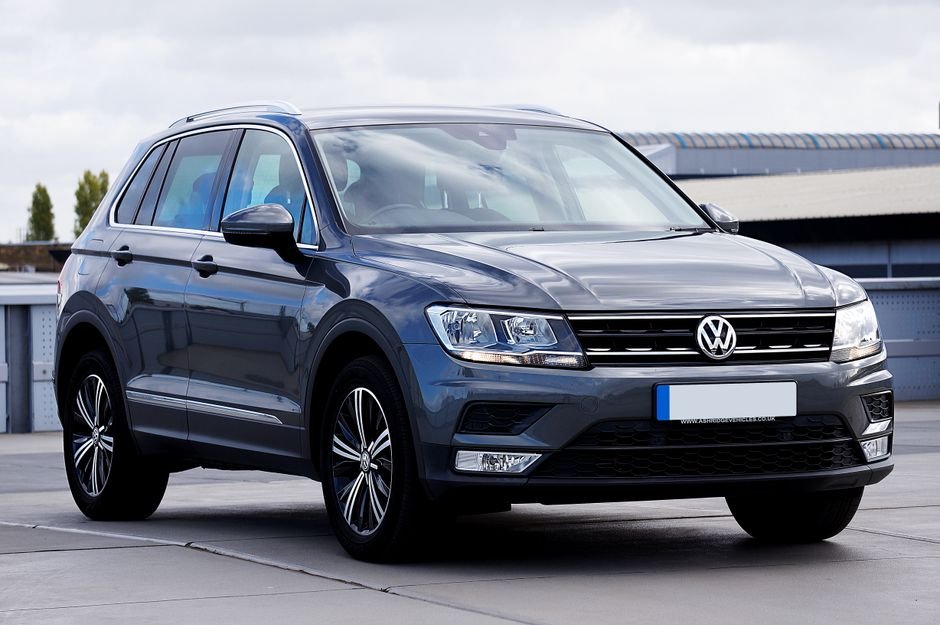
Yes, you can still buy a used Tiguan or Q3 right now. But run the VIN first. The VW steering bolt recall now covers 208,724 SUVs in the U.S. If the one you’re eyeing falls inside the affected build window, a free dealer fix should happen before you drive it off the lot, not after.
This isn’t a minor paperwork recall. It’s about the bolt that holds the steering rack to the front subframe.
What exactly is the VW steering bolt recall about?
Volkswagen filed a recall after finding that a right-side steering rack mounting bolt can corrode when moisture gets in. Over time, the bolt head can break off. Once that happens, the steering rack hangs on by a single mounting point. Continued driving stress can then crack the rack housing itself, which can mean a loss of steering control.
Volkswagen and Audi say they aren’t aware of any crashes, fires, injuries, or deaths tied to this defect in North America. The company also says the failure is more likely to show up during low-speed maneuvers, like parking. That’s when a driver has more room to safely stop, rather than at highway speed. NHTSA’s own language on the risk is blunt: a broken steering rack housing “can result in a loss of steering control, increasing the risk of a crash.”
Which VW and Audi models does this recall actually hit?
Three nameplates share the flawed bolt. They are the 2018 Volkswagen Tiguan, the 2018–2019 Volkswagen Atlas, and the 2019–2021 Audi Q3. Volkswagen is using production dates, not just model years, to pin down which specific vehicles need the fix.
| Model | Affected build window | Approx. units recalled |
|---|---|---|
| VW Atlas | Nov. 30, 2016 – Sept. 22, 2018 | 82,601 |
| VW Tiguan | March 22, 2017 – June 18, 2018 | 85,713 |
| Audi Q3 | May 21, 2019 – July 16, 2021 | 40,410 |
Not every vehicle built in those windows actually has the defective part. Some cars got a different steering rack that isn’t susceptible to this corrosion issue. Dealers will replace the right steering rack mounting bolt with one that has a corrosion-resistant polymer coating, at no charge to the owner. Owner notification letters go out November 10, 2026. But VINs are already searchable through NHTSA’s recall lookup tool right now. You don’t have to wait for a letter to know where you stand.
Is a used Tiguan still worth buying with this recall active?
Yes, a used 2018 Tiguan is still a smart buy. Just make sure the seller completes the recall repair before you finalize the deal. Prices are already low for the model year, the fix is free and straightforward, and there’s no evidence of any real-world failures in North America.
Used 2018 Tiguans are currently trading in the $13,000–$14,000 range on the used market. Private-party deals sometimes dip under $10,000. That’s already reflecting years of normal depreciation, not recall panic. Just don’t skip the VIN check. Ask the dealer to show you the completed recall paperwork, or have your own mechanic confirm the bolt has been swapped before you sign anything.
What about the Atlas and Audi Q3?
The Atlas carries the same recommendation as the Tiguan: cheap, common, easily fixed. The Q3 is a slightly different calculus since it’s a newer, pricier vehicle.
| Model | Typical used price | Recall verdict |
|---|---|---|
| 2018 VW Tiguan | ~$10,000–$14,000 | Buy after confirmed fix |
| 2018–2019 VW Atlas | ~$15,000–$19,000 | Buy after confirmed fix |
| 2019–2021 Audi Q3 | ~$18,000–$22,000 | Buy after confirmed fix |
The Q3 sits in a more competitive price bracket against newer luxury crossovers. It’s worth cross-shopping before you commit. But the recall itself shouldn’t be the reason you walk away. It’s a known, fixable issue with a clear repair path, not a design flaw baked into every unit.
How do you check if a specific used SUV is affected?
Pull the 17-digit VIN off the dashboard or door jamb. Run it through NHTSA’s free VIN lookup before you even go look at the car in person. If it’s flagged, ask the seller for proof the recall repair was already done. Production-date recalls like this one don’t always show mileage or model-year red flags on a basic listing.
This is the same advice we gave around Ford’s steering and fuel tank recalls this year and the ongoing Jeep Grand Cherokee coil spring recalls. A recall with a free fix and zero confirmed injuries is rarely a dealbreaker. It’s a checklist item, not a reason to walk. If you want a broader gut-check on whether a recall should scare you off a used SUV, our breakdown of the GM rearview camera recall covers the same logic. And if you’re the type who likes to verify things yourself rather than trust a dealer’s word, a cheap OBD2 scanner is a smart $40 investment for any used-car shopper this year.
FAQ
Does the VW steering bolt recall affect new 2026 Tiguan or Q3 models?
No. The affected production windows run from late 2016 through mid-2021. Volkswagen says the underlying manufacturing issue was phased out through changes completed by July 2021 across all affected U.S. models.
How much does the recall repair cost?
Nothing. Volkswagen and Audi dealers will replace the affected bolt with a corrosion-resistant version free of charge. This applies regardless of whether the vehicle is still under warranty.
What if I already bought one of these SUVs and haven’t gotten a letter?
Don’t wait for the mail. Notification letters aren’t going out until November 10, 2026. But you can check your VIN on NHTSA’s site today and call a Volkswagen or Audi dealer to schedule the fix as soon as your vehicle shows up as affected.
Is the Atlas Cross Sport included in this recall?
No. This particular steering bolt campaign is limited to the 2018 Tiguan, 2018–2019 Atlas, and 2019–2021 Audi Q3. The Atlas Cross Sport has faced separate, unrelated recalls. Always check the specific model and VIN rather than assuming coverage across a whole lineup.