
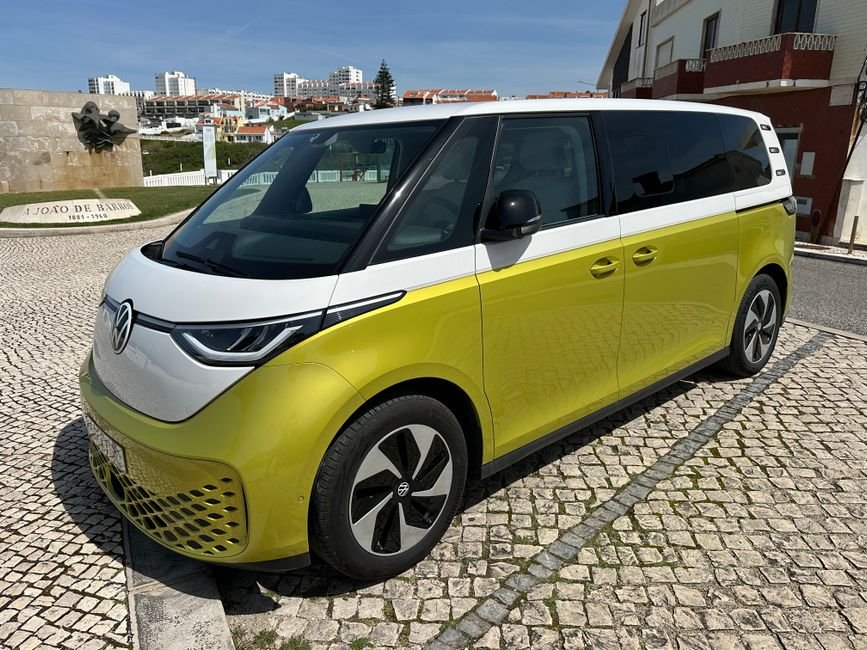
Yes, the VW ID.4 battery recall is a real fire risk. But it’s also a fixable one. It shouldn’t scare away a smart shopper working with a fair price. Volkswagen has now recalled more than 45,000 ID.4 electric SUVs in the U.S. The reason: high-voltage battery packs that can overheat, and in rare cases, catch fire.
That number climbs past 52,000 when you add Canadian units. This is one of the biggest EV battery safety actions of the year. If you own one, or you’re eyeing a used ID.4 on a dealer lot right now, here’s what’s actually going on. And here’s whether it changes the math on buying one.
What exactly did Volkswagen recall?
Volkswagen filed two separate battery recalls with NHTSA on January 21, 2026. They cover 2023 through 2025 model year ID.4s built between September 2022 and April 2025. One recall is much bigger than the other. Both stem from different root causes inside the same supplier’s battery modules.
| Recall | Vehicles Affected | Issue | Interim Advice |
|---|---|---|---|
| NHTSA 26V030 | 43,881 | Missing “self-discharge detection” software; battery can overheat with no clear root cause | Wait for software update |
| NHTSA 26V028 | 670 | Misaligned electrodes in battery cell modules from a manufacturing defect | Park outside after charging, avoid DC fast charging, cap charge at 80% |
Volkswagen told regulators the modules can experience what it calls thermal propagation. Essentially, one overheating cell can set off a chain reaction through the pack. The smaller of the two recalls comes with an urgent interim warning. Owners are advised not to leave their vehicles charging indoors overnight until dealers complete the repair.
Where did this defect come from?
The battery cells came from SK Battery America, a Georgia-based supplier that builds packs for several automakers. The company found “shifted electrodes” during a teardown of a fire-damaged battery. Volkswagen first learned of a related incident in January 2024. The investigation dragged on for nearly two years before regulators got the full picture.
This isn’t the ID.4’s first battery scare, either. A smaller recall of 629 vehicles for a similar shifted-electrode condition went out in December 2025. VW has separately dealt with a rollaway recall too, covering nearly 61,000 ID.4 and Audi Q4 models for a gearshift software glitch. It’s been a rough stretch for a vehicle that’s supposed to be VW’s mainstream EV bet.
Is the VW ID.4 battery recall actually dangerous?
The risk is real but statistically small. Volkswagen told regulators the defect affects roughly 1% of the vehicles covered. Only a handful of confirmed fire-related incidents have surfaced so far. That’s not nothing, but it’s also not a failure rate that should make you write off the whole model.
Regulators tied the recall to at least three known incidents. In each case, battery software could have flagged an overheating cell before things went wrong. Owners have also filed a class-action lawsuit over the interim charging restrictions. They argue that limiting charge speed and capping battery percentage makes the SUV harder to live with day to day. That’s a fair complaint if you’re stuck in limbo for months. But it’s a separate issue from whether the underlying fire risk makes the car unsafe to own long-term.
How does this compare to other EV battery recalls?
The ID.4 isn’t alone here. Ford dealt with a similar situation on the Mustang Mach-E’s battery recall. Porsche is still fighting a Taycan fire lawsuit over its own high-voltage pack issues. Battery fire recalls have become a normal part of owning an early-generation EV. They’re not a freak event limited to one brand.
- Mustang Mach-E: battery contactor recall tied to overheating and sudden power loss
- Porsche Taycan: ongoing litigation over battery fire risk in parked vehicles
- Lucid Air: a 27,185-vehicle fire recall earlier this year
- VW ID.4: now over 45,000 U.S. units across two active battery campaigns
Should you still buy a VW ID.4 right now?
I’d still buy one, but with a condition. Make sure the seller can show the recall has already been completed. Or buy new, where Volkswagen eats the entire repair cost. A 2026 ID.4 starts at $45,095 and comes with a fresh battery. It offers 291 miles of EPA-estimated range and sits well outside the affected production window.
For used shoppers, the calculus changes a little. Recall repairs are free under federal law, so the fix itself won’t cost you a dime. But dealers won’t always know if a specific VIN has been serviced yet. Run any used ID.4’s VIN through NHTSA’s recall lookup tool before you sign anything. Then confirm in writing that any open recall gets closed prior to delivery.
If you want a broader framework for weighing an EV purchase against recalls, incentives, and total cost of ownership, our EV buying decision framework walks through exactly how to think about it. And if you’re specifically shopping used, our used EV buying guide covers the VIN-check and battery-health steps every buyer should take before handing over a deposit.
FAQ
How do I know if my ID.4 is included in the recall?
Check your VIN on NHTSA’s website or contact a Volkswagen dealer directly. Owner notification letters were expected to start going out by March 20, 2026. But you don’t need to wait for the letter to schedule service.
Will the recall repair cost me anything?
No. Federal law requires Volkswagen to cover software updates, battery health checks, and any necessary battery or module replacement at no cost to the owner.
Can I still charge my ID.4 while waiting for the fix?
Yes, but it depends on which recall applies. If your VIN falls under the smaller 670-vehicle recall, avoid Level 3 DC fast charging. Cap your charge at 80% and park outdoors right after charging until the repair is done.
Does this recall affect the 2026 ID.4?
No. The affected vehicles were built between September 2022 and April 2025. Current 2026 model year ID.4s use different battery production and aren’t part of either recall.