
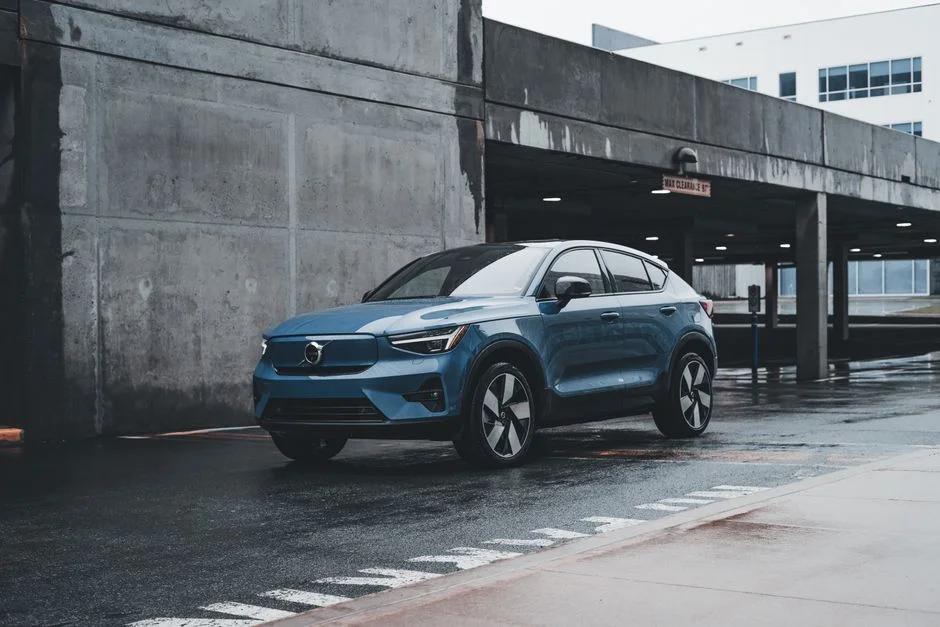
Volvo just pulled the plug on the EX40. The 2026 model year is the last chance to buy one new. If you want a compact electric Volvo, the clock is now running on dealer inventory. There’s no 2027 or 2028 EX40 coming to replace it.
This isn’t a rumor anymore. Volvo confirmed the move alongside the reveal of a refreshed, gas-only 2028 XC40. Dealers are already selling down what’s left on their lots.
Why did Volvo kill the EX40?
Volvo axed the EX40 because it barely sold, its platform is outdated, and the EV tax credit that used to help move it is gone. The EX40 shares its underpinnings with the gas XC40. Volvo doesn’t want to keep investing in an old chassis.
The sales numbers tell the real story. Volvo sold just 1,724 combined EX40 and XC40 Recharge units in the first half of 2026 — a rounding error for a brand this size. The federal EV tax credit expired, and new import tariffs followed. Together they’ve made every affordable EV a harder sell in the US. Volvo’s own EV strategy is shifting too. The brand now wants larger, newer models built on its dedicated SPA3 electric platform, not the aging CMA architecture under the EX40.
This is also part of a bigger pattern. Volvo already dropped the EC40 coupe-SUV after 2025. It also canceled the entry-level EX30 before it ever really got going in the US. The EX40 is simply the next domino. It leaves Volvo without a truly affordable EV in its American lineup for at least a year.
What replaces the Volvo EX40?
Right now, nothing directly replaces it. The EX60 becomes Volvo’s new entry-level EV in the US, starting at $59,795. A smaller and cheaper model called the EX50 isn’t expected until late 2027 at the earliest.
That’s a real gap for budget-minded shoppers. Here’s how the outgoing EX40 stacks up against what’s replacing it:
| Model | Starting Price | EPA Range | Status |
|---|---|---|---|
| Volvo EX40 (2026) | $56,545 | Up to 296 miles | Final year, being sold down now |
| Volvo EX60 | $59,795 | 307–330 miles | Volvo’s new entry-level EV |
| Volvo EX50 (rumored) | Under $50,000 | TBD | Expected late 2027 as a 2028 model |
The EX40’s dual-motor version made 402 horsepower with all-wheel drive. It could hit 60 mph in about 4.6 seconds. The single-motor rear-drive version produces 248 horsepower and roughly 296 miles of range. That’s a genuinely competent small electric SUV. It just isn’t new anymore.
Should you buy a leftover Volvo EX40 now?
Yes, if the price is right and you can live with 2026-generation tech. Dealers are motivated to clear remaining EX40 inventory, which typically means real discounts. You’re getting a Volvo with nearly 300 miles of range and a five-star safety pedigree, for thousands less than the EX60 that replaces it.
The catch is resale value. Discontinued models tend to depreciate faster than models still in active production. Buyers know there’s no next-generation version coming, which cools interest — and parts availability — over time. If you plan to keep the car eight-plus years, that’s a non-issue. If you like to flip cars every three or four years, factor in a steeper drop.
It’s also worth checking whether any state EV rebates still apply to the EX40 before inventory disappears. The federal $7,500 EV tax credit died over a year ago and isn’t coming back for this purchase.
Is it smarter to wait for the EX60 or EX50 instead?
Wait if you want the newest tech and don’t mind paying more. Skip waiting if you’re trying to save money. The EX60 costs about $3,250 more than the outgoing EX40. It adds range and faster 800-volt charging, but that gap is real money for buyers on a budget.
The EX50 is the one actually worth waiting for if affordability is your priority. It’s rumored to start under $50,000. But it’s not arriving until late 2027 at the earliest, and rumored pricing has a way of creeping upward by launch day. That’s over a year of waiting for a car that doesn’t officially exist yet. Compare that to how quickly discounts have hit other EVs lately, like when the Ioniq 5’s price dropped $10,000 almost overnight. The market moves fast. “Wait for the cheaper model” doesn’t always pay off the way shoppers expect.
If you’re still weighing whether an EV makes sense for your driving habits and budget at all right now, our EV buying decision framework for 2026 walks through the tradeoffs in more depth than any single-model comparison can.
What about buying a used EX40 instead of new?
A used or off-lease EX40 might be the smartest play of all. With roughly 329,000 off-lease EVs hitting lots in 2026, used EV prices have softened. A lightly used EX40 could land well below what a new one costs, even with dealer discounts factored in.
Just make sure to check battery health and remaining warranty coverage before signing anything. EV batteries degrade differently than gas engines wear out. That detail matters more for resale and long-term cost than trim level ever will. For a full breakdown of what to inspect, see our used EV buying guide before you shop.
FAQ
Is the Volvo EX40 the same as the XC40 Recharge?
Yes. The EX40 started life as the XC40 Recharge in 2019. Volvo renamed it EX40 in 2024, but it’s fundamentally the same electric SUV under a new badge.
Will Volvo still sell any electric SUVs in the US?
Yes. The EX60 remains on sale as Volvo’s new entry-level EV. The three-row EX90 continues as well. Volvo just no longer has a sub-$50,000 electric option until the EX50 arrives.
Can I still buy a new Volvo EX40 in 2027?
Only from remaining dealer stock. Volvo has confirmed the 2026 model year is the last one built for the US. Once existing inventory sells out, new EX40s will be gone for good.
Does the EX40 still qualify for any EV incentives?
The federal $7,500 tax credit expired in 2025 and doesn’t apply. Some state-level rebates may still cover the EX40, so check your state’s program before it’s sold out or you finalize a deal.