
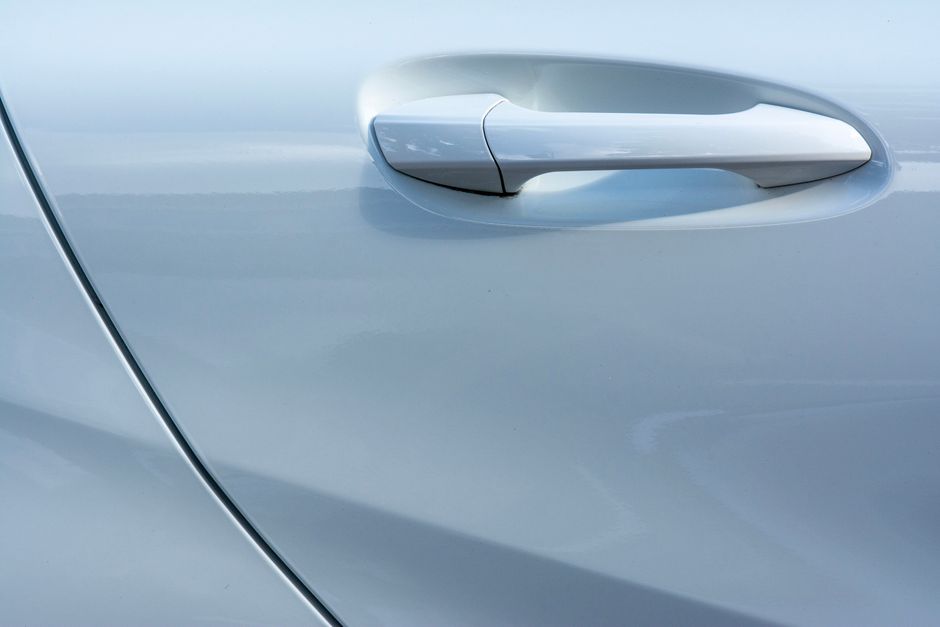
If you’ve ever squinted at the smooth, unbroken side of a Tesla trying to figure out where the door handle actually is, you’re not alone. That sleek, flush design has been a signature EV styling trick for over a decade. But now it’s facing serious pushback from federal safety regulators, after a string of incidents where people got trapped inside crashed vehicles and couldn’t get out.
What’s Actually Happening
The National Highway Traffic Safety Administration (NHTSA) has announced it will begin developing new federal safety standards for how car doors work in emergencies. According to reporting first published by Bloomberg, the new rule-making process follows a series of incidents, including fatal ones, in which people have become stuck inside cars with flush, electronically operated door handles like those found on Tesla vehicles.
The move came in response to a petition asking NHTSA to formally investigate the emergency door release design on 2022 Tesla Model 3 vehicles. Interestingly, regulators denied that specific request. NHTSA denied taking the action that the petitioners wanted, saying that the issue would be best addressed through rule-making rather than a defect investigation. In other words: this isn’t just a Tesla problem, it’s an industry-wide design flaw that needs an industry-wide fix.
Digging into the technical gap, one report noted that FMVSS 206 does not currently regulate the labelling or placement of manual door releases in any way, so there is no existing rule for any automaker’s design to have breached. That’s a big part of why NHTSA chose to write a brand-new standard rather than punish one automaker for something that was, technically, legal all along.
Why This Matters: The Human Cost
This isn’t an abstract regulatory quibble. Reporting from Bloomberg has tied at least 15 deaths across a dozen crashes to situations in which occupants or would-be rescuers could not open a Tesla’s doors after the vehicle lost power, with several of those cases involving people who survived the initial collision only to die in a fire that followed.
The core mechanical issue comes down to power. Tesla’s sleek door handles sit flush against the body to improve aerodynamics and extend range, but they rely on low-voltage electrical power to pop open. When a crash severs the battery connection, or a 12-volt battery simply dies, the exterior handles can go dead. Tesla does include manual releases, but while Tesla vehicles do have manual door releases, they are located only inside the car. That’s fine for a driver who knows where to look, but it does nothing for a first responder trying to get in from outside, or a child in a back seat who has no idea a hidden lever even exists.
NHTSA’s own preliminary review of Model Y complaints found a similar culprit at play, noting the company run by billionaire Elon Musk has installed manual door releases inside the vehicles but NHTSA noted that a child may not be able to reach or know how to operate the releases. In several documented cases, in four cases, the parents had to break the windows to get inside.
Not Just a Tesla Problem
While Tesla’s design triggered the scrutiny, flush handles have spread across the industry. It is a technically neat design feature that has now been copied by multiple automotive brands, including Range Rover, Porsche and myriad Chinese EV brands. That’s exactly why NHTSA’s coming rule is being written to apply broadly rather than target one company. As one industry outlet put it, Tesla’s door handles may have triggered this rulemaking, but the eventual standard will bind every automaker still using flush designs.
China Is Already Moving Faster
The U.S. isn’t leading on this issue, it’s playing catch-up. China moved ahead of American regulators in February 2026, mandating that automakers install a mechanical release on both the interior and exterior of every vehicle door except the trunk. Starting in 2027, cars sold in China will need old-school, no-nonsense hardware. Starting in 2027, vehicles sold in China will be required to have mechanical exterior door handles that can be opened from either side, even after a crash or battery failure.
Don’t Expect Changes Overnight
Here’s the frustrating part for safety advocates: federal rulemaking moves slowly. Multiple outlets covering the announcement note that any final rule is unlikely to take effect before 2030, drawing criticism from victims’ families who want swifter action. That means new cars could keep shipping with confusing or hidden releases for years while the paperwork winds through Washington.
The good news is automakers appear to be moving ahead of the mandate on their own. Tesla design chief Franz von Holzhausen has said the company is working on a redesign, while Rivian is already repositioning manual releases on future models.
What This Means for Car Shoppers Right Now
If you’re shopping for an EV or any car with flush or capacitive-touch door handles, take five minutes at the dealership to physically locate the manual override for every seat position, not just the driver’s. Show anyone who regularly rides in your car, including kids old enough to understand, exactly where it is and how to use it. It sounds like overkill until you consider that in a real emergency, seconds matter and panic makes “hidden and unlabeled” mechanisms even harder to find. Until the new federal standard actually reshapes door designs on the assembly line, that few minutes of homework is the best protection available.