
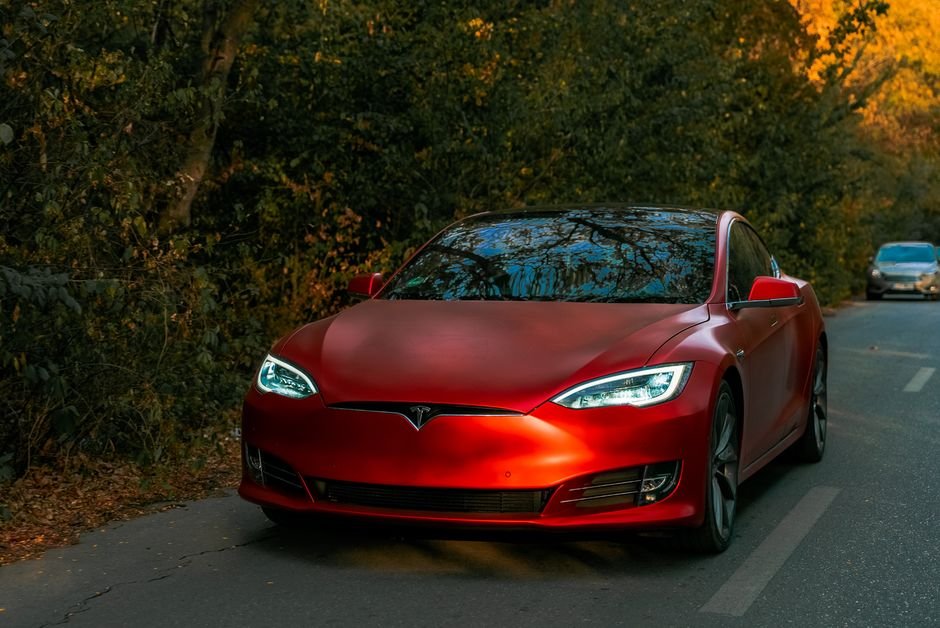
Tesla’s headlights are so bright they’re breaking federal law. Now 20,349 cars need a fix. The Tesla headlight recall was filed with NHTSA on August 4, 2026. It covers certain 2017-2023 Model 3 and 2020-2023 Model Y vehicles. Their low-beam headlights pump out more light than the government allows. If you’re eyeing one of these cars on the used market, here’s what actually matters and what doesn’t.
What does the Tesla headlight recall actually cover?
The recall applies to 18,735 “pre-refresh” Model Y units. They were built between February 2020 and December 2023. It also covers 1,614 Model 3 units from July 2017 through December 2023. The common thread isn’t the car’s age. It’s a specific headlamp assembly from supplier Marelli Automotive Lighting.
Any affected vehicle either rolled off the line with that headlamp part, or had one installed during a service visit. The trigger is a supplier manufacturing date of June 2, 2023, or later. That’s why the recall spans model years that otherwise had nothing in common.
| Model | Model Years | Units Affected |
|---|---|---|
| Tesla Model Y | 2020–2023 | 18,735 |
| Tesla Model 3 | 2017–2023 | 1,614 |
| Total | — | 20,349 |
Why are Tesla’s headlights suddenly a problem?
This isn’t new. Transport Canada flagged noncompliant low beams during routine testing back in 2023. Tesla confirmed the same issue on its own vehicles shortly after. The low beams exceed the maximum allowed intensity of 125 candela in certain zones of a federal test pattern. Some units measured roughly 84% over that limit.
Tesla’s response at the time was to ask NHTSA to call the defect “inconsequential.” The automaker wanted to skip the recall entirely. NHTSA didn’t budge. It denied that petition on July 17, 2026. That forced Tesla’s hand less than three weeks later.
Is this actually dangerous, or just a paperwork problem?
It’s real but minor. Excessively bright low beams can glare oncoming drivers, especially in rain, snow, or fog. That raises crash risk, according to NHTSA. That said, Tesla has reported no crashes, injuries, or deaths tied to the issue. There are just three warranty claims and one field report, out of a fleet on the road for years.
Compare that to some of the more serious safety recalls we’ve covered. The Mercedes rollaway recall and the ongoing Rivian recall streak are far more serious. This one lands closer to “annoying” than “alarming.” Nobody’s losing steering control or catching fire here.
How do you check if a used Model 3 or Model Y is affected?
Ask the seller for the VIN. Run it through NHTSA’s official recall lookup at nhtsa.gov before you buy. Tesla hasn’t yet loaded all affected VINs into its own recall search tool. If the car falls within the covered model years, assume it’s affected until you confirm otherwise.
Owner notification letters start going out by mail on September 15, 2026. If you’re buying from a private seller, ask whether they’ve received one. Also ask whether the car has had any recent headlight service work. A replaced assembly could trigger the recall even on an otherwise unaffected car.
Should you still buy a used Model 3 or Model Y right now?
Yes. This recall shouldn’t scare you off a used Tesla. The fix isn’t finalized yet, but it’s almost certainly a physical headlamp swap rather than a serious repair. It’s also completely free of charge whenever Tesla rolls it out.
There’s even a silver lining. Some owners could end up with an upgrade to Tesla’s newer matrix-style headlights. Those units perform noticeably better at night than the ones being replaced. If you’re already comparing used EVs, this hardware recall matters far less than checking battery health or charging costs. We break both down in our used EV buying guide.
Just don’t let the headlight issue distract you from bigger-picture Tesla ownership questions. How the battery holds up over time matters more. Our look at used EV battery health across models is a better use of your diligence than worrying about a low-beam recall Tesla will fix for free.
What else has been going on with Tesla recalls lately?
This headlight fix lands in the middle of a busy stretch for Tesla’s safety record. NHTSA opened an investigation in July into roughly 1.2 million Tesla vehicles over suspension complaints. It also closed an engineering analysis into power steering loss on about 376,241 Model 3 and Model Y units earlier this year. Separately, Tesla recalled 218,868 vehicles for a rearview camera lag, which got fixed over the air.
None of that changes the math on this particular recall. It’s narrow. It’s cosmetic in the sense that it won’t strand you. And Tesla will cover the repair.
FAQ
Will the Tesla headlight recall cost me anything?
No. Tesla will repair or replace the affected headlamp assemblies free of charge once the remedy is finalized and your notification letter arrives.
Can I drive my Tesla safely before the recall repair happens?
Yes. The defect only affects how bright your low beams appear to other drivers in certain zones. It doesn’t impair your own visibility or the car’s mechanical function.
How do I know if my specific Tesla is included in the recall?
Check your VIN against NHTSA’s recall database. Tesla’s own online VIN lookup tool hadn’t been fully updated with affected vehicles as of mid-August 2026.
Does this recall affect newer Tesla Model Y or Model 3 vehicles?
No. Tesla switched to compliant headlamp assemblies during the 2023 model year for both cars. Current production vehicles aren’t part of this recall.