
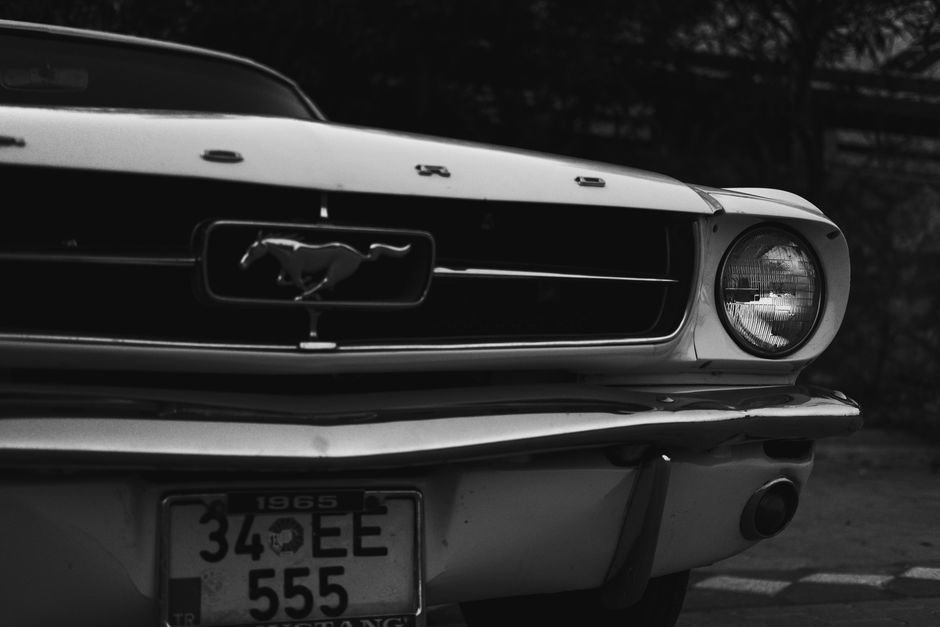
Yes, you can still buy a Ford Mustang in 2026. But not before you understand what just went wrong with nearly 150,000 of them. Ford has recalled 148,663 Mustangs because a wiring problem in the engine bay can cause the car to suddenly lose drive power. It can also knock out the headlights, wipers, air conditioning, or cooling fan at the same time. That’s a scary combination at highway speed, and it’s worth digging into before you sign paperwork on either a new or used one.
What exactly is wrong with these Mustangs?
The issue traces back to ground eyelet terminals in the engine-compartment wiring harness. Those terminals can crack over time. Adhesive from heat-shrink tubing used during manufacturing spilled onto the terminals. That kept them from sitting flush against the engine, creating stress points that break down from normal vibration.
Once a terminal fractures, the electrical connection is lost. Federal regulators noted the failure could cause a “loss of drive power, or a loss of function in the windshield washing system, headlights, air conditioning, or engine cooling fan.” Losing propulsion and visibility at the same time is a serious combination. It’s exactly the kind of double-whammy that makes NHTSA take a defect seriously.
Which Mustangs are affected by the recall?
The Ford Mustang recall 2026 covers 2024 through 2026 model-year cars. They were built at Ford’s Flat Rock, Michigan plant between September 7, 2022, and June 9, 2026. That’s a huge chunk of the current seventh-generation Mustang’s production run. It spans everything from the base EcoBoost to the V8 GT and Dark Horse.
Ford estimates only about 1% of the recalled population actually has the defect. But there’s no way to tell from the outside which cars are affected. Owners need to check their specific 17-digit VIN through NHTSA’s recall lookup tool. Don’t just assume your model year is in the clear.
How did Ford find the problem?
Ford discovered the defect almost by accident. It happened during durability testing on a 2027 Mustang that isn’t even part of this recall. Two ground terminals broke on that test car in early June. The car lost motive power as a result. Ford immediately stopped shipping 2026 models the same day while engineers investigated.
By mid-August, Ford had logged eight warranty claims tied to the issue. There were no reported crashes or injuries. The recall was formally approved on August 18. Notification letters started going out to owners between August 31 and September 4.
When will the actual fix be available?
Here’s the frustrating part: the real repair won’t be ready until around March 2027. Owners are getting interim letters now warning them of the risk. Dealers can’t yet replace the faulty ground terminals, though. Ford hasn’t finished designing the permanent fix.
That’s a long gap to leave drivers waiting. It’s especially unsettling for a defect tied to sudden power loss. If you already own an affected Mustang, don’t ignore that first letter. There’s no repair appointment to book yet, but watch for the follow-up notice. Get the free replacement done as soon as it’s available.
Is this Ford’s only recent Mustang recall?
No, and that’s part of the bigger story. This wiring recall lands on top of a separate 2026 recall for windshield wipers. They can stick on high speed in cold weather. There’s also a piston-related recall touching a small number of Mustangs, alongside Broncos, Explorers, and Rangers. Ford has also dealt with a much larger 2025 recall covering seat belt pretensioner cables on older Mustangs.
Ford isn’t just having a rough month with the Mustang, either. The automaker’s Bronco has faced its own serious safety campaign. We covered it in our story on the 566,000-vehicle Bronco engine fire recall. Ford’s electric Mustang Mach-E has had its own rough stretch too. Check out our piece on the Mach-E’s fourth recall in a year.
| Recall | Vehicles Affected | Issue | Fix Timeline |
|---|---|---|---|
| 26C40 (wiring harness) | 148,663 Mustangs, 2024-2026 | Ground terminals crack, causing power loss | ~March 2027 |
| 26C32 (wiper motor) | 2024-2026 Mustang, GTD | Wipers stuck on high speed in cold | ~March 2027 |
| Piston recall (26S61) | 237 Mustangs (plus Bronco, Explorer, Ranger) | Piston damage from manufacturing defect | December 2026 |
| 25V614 (seat belt cable) | 332,778 Mustangs, 2015-2017 | Pretensioner cable corrosion | Already remedied |
Should you still buy a Mustang in 2026?
I’d still buy one, but I’d be deliberate about it. This recall is a real safety issue. Ford caught it before any crashes were reported, though, and the fix is free. That’s how the system is supposed to work. A string of recalls is annoying, not disqualifying, especially for a car with the Mustang’s long track record.
If you’re shopping used, ask the seller to run the VIN through NHTSA’s lookup tool before you buy. Get written confirmation of any open recall status. If you’re buying new, expect to get a letter in the mail at some point. Just plan on that dealer visit once the parts are ready.
This kind of recall wave isn’t unique to Ford this year, either. Our breakdown of why 2026 has been a record year for recalls walks through why automakers across the board are issuing more safety campaigns than ever. It also covers how to stay on top of them as an owner.
FAQ
Is my Mustang part of the recall if it’s a 2024, 2025, or 2026 model?
Maybe, but not automatically. Ford estimates only about 1% of cars built between September 2022 and June 2026 actually have the defect. Check your specific VIN on NHTSA’s website rather than assuming based on model year alone.
Can I still drive my Mustang while I wait for the recall fix?
Ford hasn’t told owners to stop driving their cars. There have been no confirmed crashes or injuries linked to the issue. Still, if you notice sudden power loss, flickering headlights, or the AC and cooling fan cutting out, get to a dealer immediately. Don’t wait for the formal remedy.
Will this recall hurt Mustang resale values?
A single wiring recall with a free fix and no injuries typically has minimal long-term effect on resale value. Repeated recalls across a short window can dent buyer confidence more, though. It’s worth watching how Ford handles the March 2027 remedy rollout.
How do I check if my specific car is affected?
Enter your 17-character VIN into NHTSA’s recall lookup tool or Ford’s own recall site. Ford’s internal number for this specific wiring issue is 26C40. NHTSA’s campaign number is 26V547.