
Illinois EV rebates can knock more than $7,500 off your next electric car. You just have to stack the state’s cash with a utility charger rebate. The money runs out on a first-come, first-served basis every year, so speed matters. Here’s exactly how the math works right now, and which EVs make the most sense to buy before the current window closes.
How much is the Illinois EV rebate worth right now?
The Illinois EPA’s EV Rebate Program pays $2,000 to any qualifying buyer of a new or used all-electric vehicle. Low-income applicants get an extra $2,000, for a maximum of $4,000. The current application cycle opened August 1, 2026. It runs through December 31, 2026, or until the $14 million set aside for the year runs dry.
This is a step down from the flat $4,000 rebate that ran from 2022 through mid-2026. The program is now more skewed toward lower-income buyers. To qualify, the vehicle’s selling price can’t exceed $80,000. You must buy, not lease, from an Illinois-licensed dealer. You also have to keep the car for at least 12 consecutive months. One upside: you now get 180 days after purchase to file, up from the previous 90-day window.
How do Illinois EV rebates stack past $7,500?
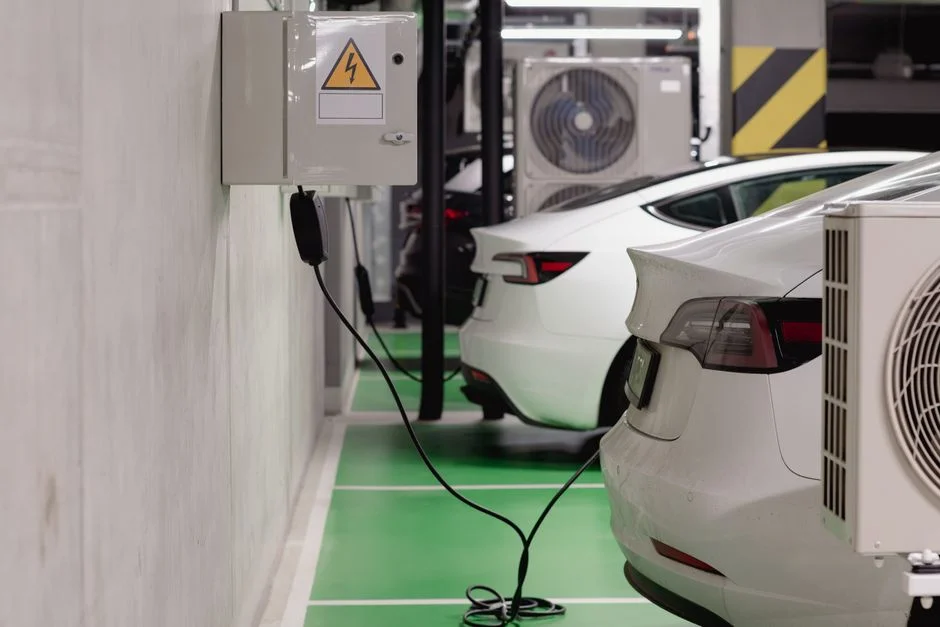
Layer the state’s $4,000 low-income rebate on top of a ComEd Level 2 home charger rebate. Do that, and you can clear $7,500 without touching a single federal dollar. ComEd pays between $1,000 and $3,750 for installing a qualifying smart charger. The top amount is reserved for customers in public assistance or equity-eligible programs.
Ameren Illinois customers don’t get quite the same charger rebate ceiling. But they can tap the ChargeSmart program for ongoing bill credits by charging overnight. That’s real, recurring savings on top of the upfront rebate stack. It’s worth factoring into your EV total cost of ownership math before you sign anything.
One important catch: the federal EV tax credit expired on September 30, 2025. That credit used to add up to $7,500 for new EVs and $4,000 for used ones. If you’re doing this math based on an old article, cross that line item out. The stacking that works today is Illinois state rebate plus utility charger rebate, not state plus federal.
Which EVs actually qualify for the Illinois rebate?
Any new or used all-electric vehicle under $80,000 qualifies. Plug-in hybrids don’t count. Only full battery EVs make the cut. That still leaves plenty of good, affordable choices on Illinois lots right now.
| EV | Starting Price (with destination) | Illinois Rebate Range | Effective Price |
|---|---|---|---|
| 2026 Nissan Leaf S+ | ~$31,485 | $2,000–$4,000 | ~$27,485–$29,485 |
| 2025 Hyundai Kona Electric SE | ~$32,975 | $2,000–$4,000 | ~$28,975–$30,975 |
| 2026 Chevy Equinox EV LT1 | ~$36,495 | $2,000–$4,000 | ~$32,495–$34,495 |
The redesigned Nissan Leaf now stretches to a 303-mile range as a compact SUV instead of the old hatchback. It’s also the cheapest new EV in the country. That makes it my pick if you want the biggest gap between MSRP and what you actually pay after rebates.
The Hyundai Kona Electric is worth grabbing while it’s still on dealer lots. Hyundai is trimming the lineup down to a single SE trim for 2026. The Chevy Equinox EV costs more upfront. But it offers the longest range of the three and remains the best-selling non-Tesla EV in America for a reason.
Should you buy new or wait for a used EV instead?
Used EVs qualify for the exact same $2,000–$4,000 Illinois rebate as new ones. So buying used stretches your money even further. A three-year-old Chevy Bolt or Nissan Leaf can drop into the teens after the rebate. That’s hard to beat for a commuter car.
If you’re leaning used, read our used EV buying guide first. Battery health and charging history matter more on a used EV than mileage does on a gas car. The guide walks through exactly what to check before you sign anything.
Is now actually the right time to buy?
Yes, mainly because the rebate program is shrinking, not growing. It drops again to $1,500 plus a smaller low-income bonus starting in mid-2028. So the current $2,000–$4,000 window is about as generous as this program is going to get for the foreseeable future.
Funding is also finite. The prior cycle handed out 3,001 rebates before pausing. If you wait until November or December to apply, there’s a real chance the money for this cycle is already gone. If you’re still weighing whether an EV fits your life at all, our EV decision framework is a good next stop before you commit.
My honest take: if you’re Illinois-based and even mildly considering an EV, this is the year to pull the trigger. A bigger rebate isn’t coming later. Compare that to Colorado’s tax credit, which has already shrunk to $750. Illinois buyers are still getting a comparatively good deal, but the trend line points the same direction everywhere.
FAQ
Can I get the Illinois EV rebate on a leased car?
No. The program only applies to vehicles you purchase outright from an Illinois-licensed dealer, not leases.
Do I need to file taxes to get the Illinois EV rebate?
No, this isn’t a tax credit. It’s a direct rebate you apply for through the Illinois EPA after purchase. That means it doesn’t depend on your tax liability the way the old federal credit did.
How long does it take to get the Illinois EV rebate check?
Processing times vary by how much funding is left in the cycle and how many applications are ahead of yours. Apply as early as possible within your 180-day window rather than waiting until the deadline.
What’s the best EV charging setup to pair with the rebate?
A ComEd or Ameren-rebated Level 2 home charger is the smart move. It’s also worth checking which public network you’ll rely on. See our breakdown of the best EV charging network in 2026 before you pick a car.